
Bhutan Travel Guide: Four Six Senses Lodges, Tiger's Nest & A 9-Day Itinerary
The Ultimate Luxury Guide to Bhutan with Six Senses
Bhutan is unlike anywhere else in Asia. Rather than chasing rapid development, the Himalayan kingdom has chosen to preserve its forests, monasteries, traditions, and way of life. Visitors are rewarded with peaceful mountain landscapes, ancient Buddhist temples, colorful festivals, and some of the world's finest wellness experiences.
For our trip, we stayed at four of the five Six Senses Bhutan lodges—Thimphu, Punakha, Gangtey, and Paro, which transformed what could have been a road trip into an unforgettable luxury journey through the country's most spectacular valleys.
If you're looking for incredible hiking, wellness, authentic cultural experiences, and one of the world's most unique luxury hotel collections, Bhutan deserves a place near the top of your bucket list.
Why Visit Bhutan?
Unlike many destinations, Bhutan deliberately limits tourism through its Sustainable Development Fee. While this makes the trip more expensive than neighboring countries, it also keeps crowds remarkably low.
You'll experience:
• Himalayan scenery
• Buddhist monasteries perched on cliffs
• Traditional villages
• Friendly locals
• Outstanding luxury lodges
• Incredible hiking
• Wellness rooted in Buddhist traditions
• Excellent Bhutanese cuisine
The country feels remarkably authentic because development has been carefully managed.
Six Senses Thimphu – Palace in the Sky
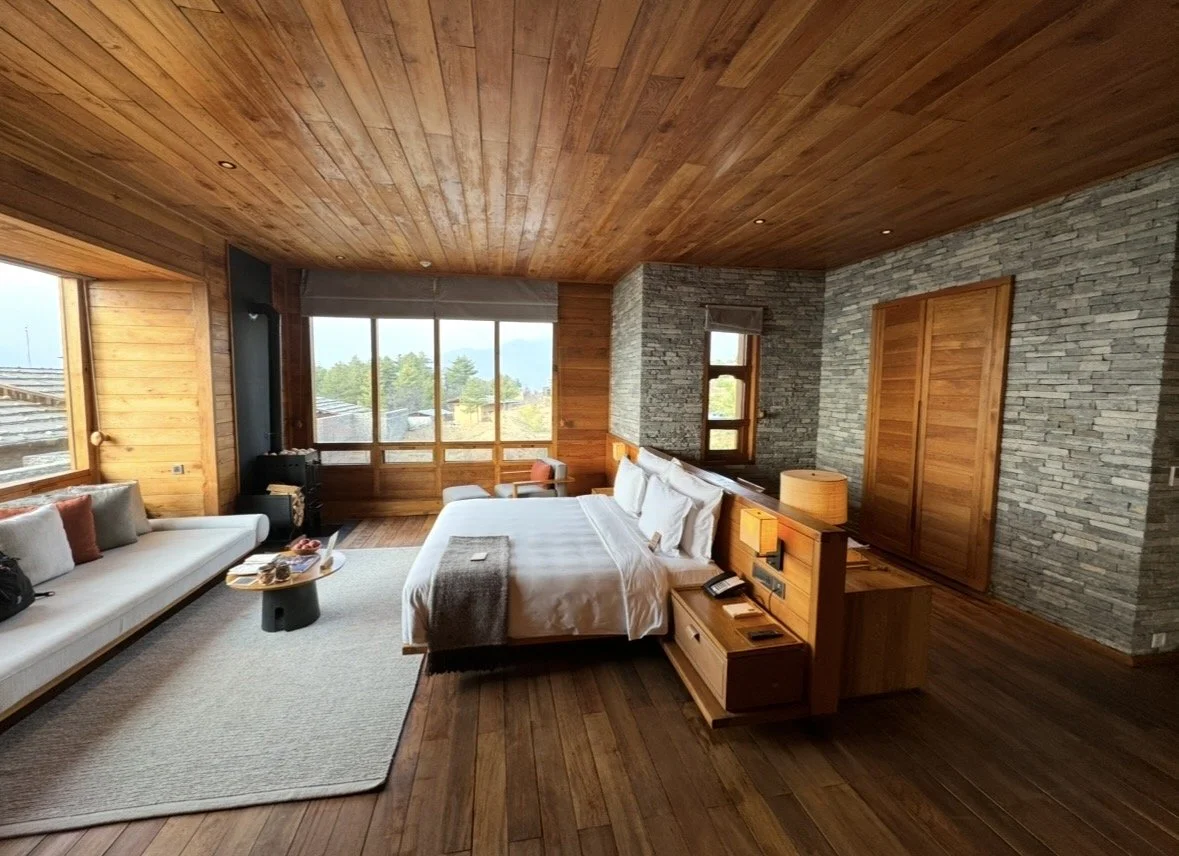
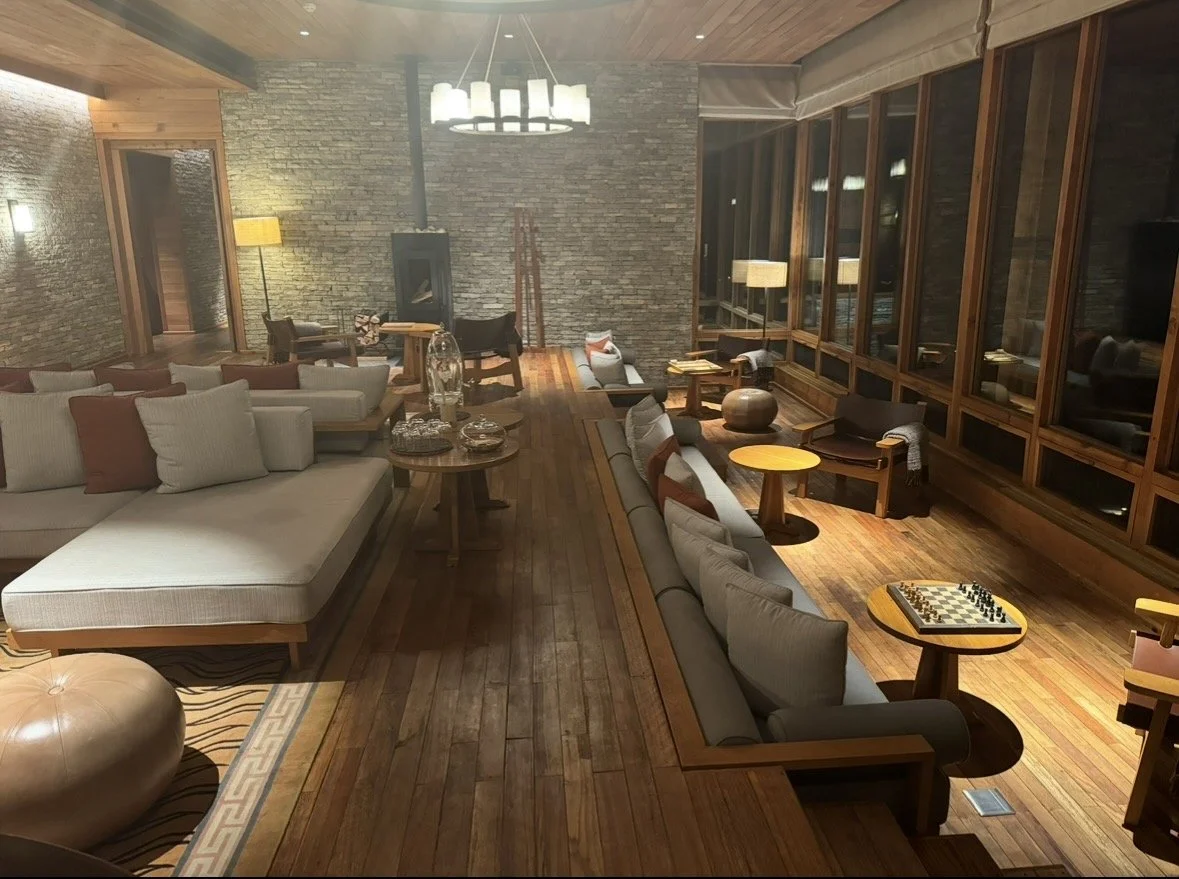
Perched high above Bhutan's capital, Six Senses Thimphu offers sweeping views across the valley. It combines modern luxury with traditional Bhutanese architecture and serves as the perfect introduction to the country.
Highlights:
• Spectacular valley views
• Excellent spa
• Wellness programming
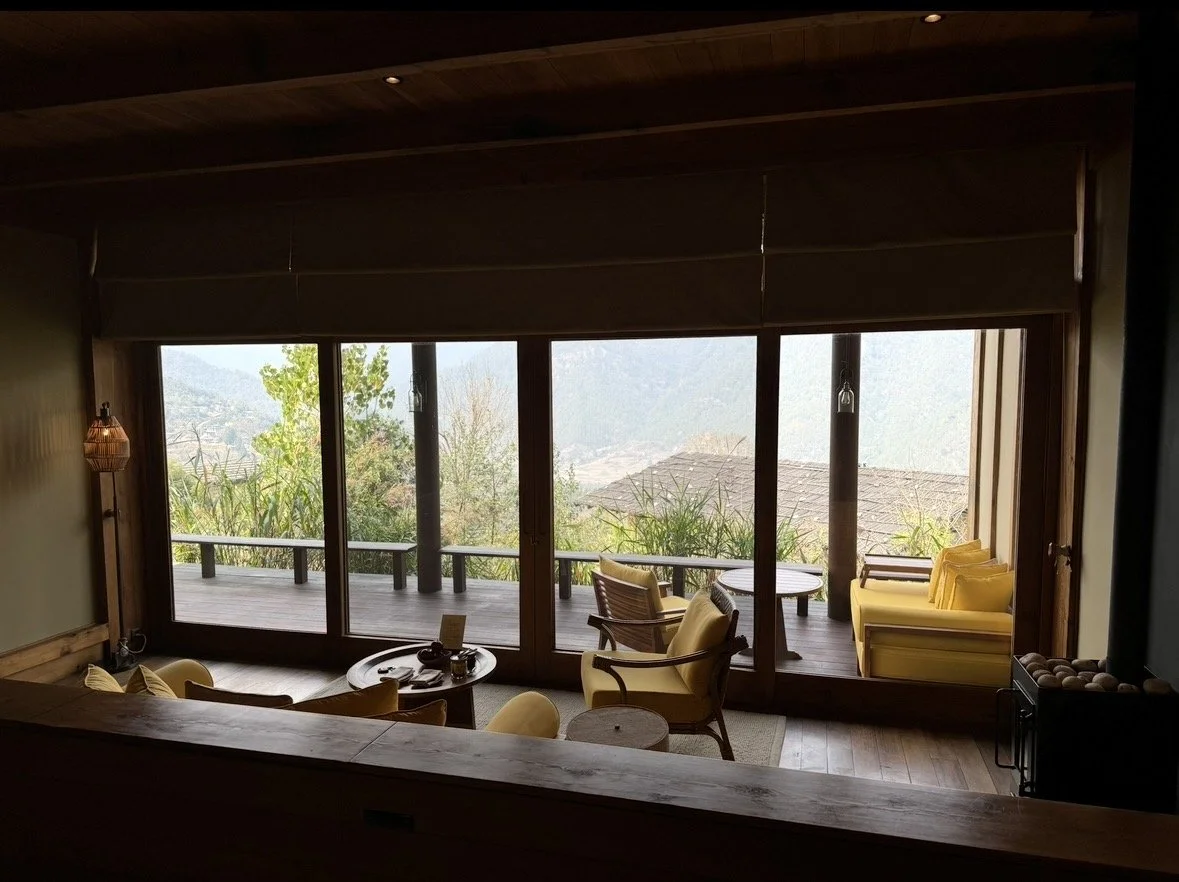
• Beautiful indoor and outdoor spaces
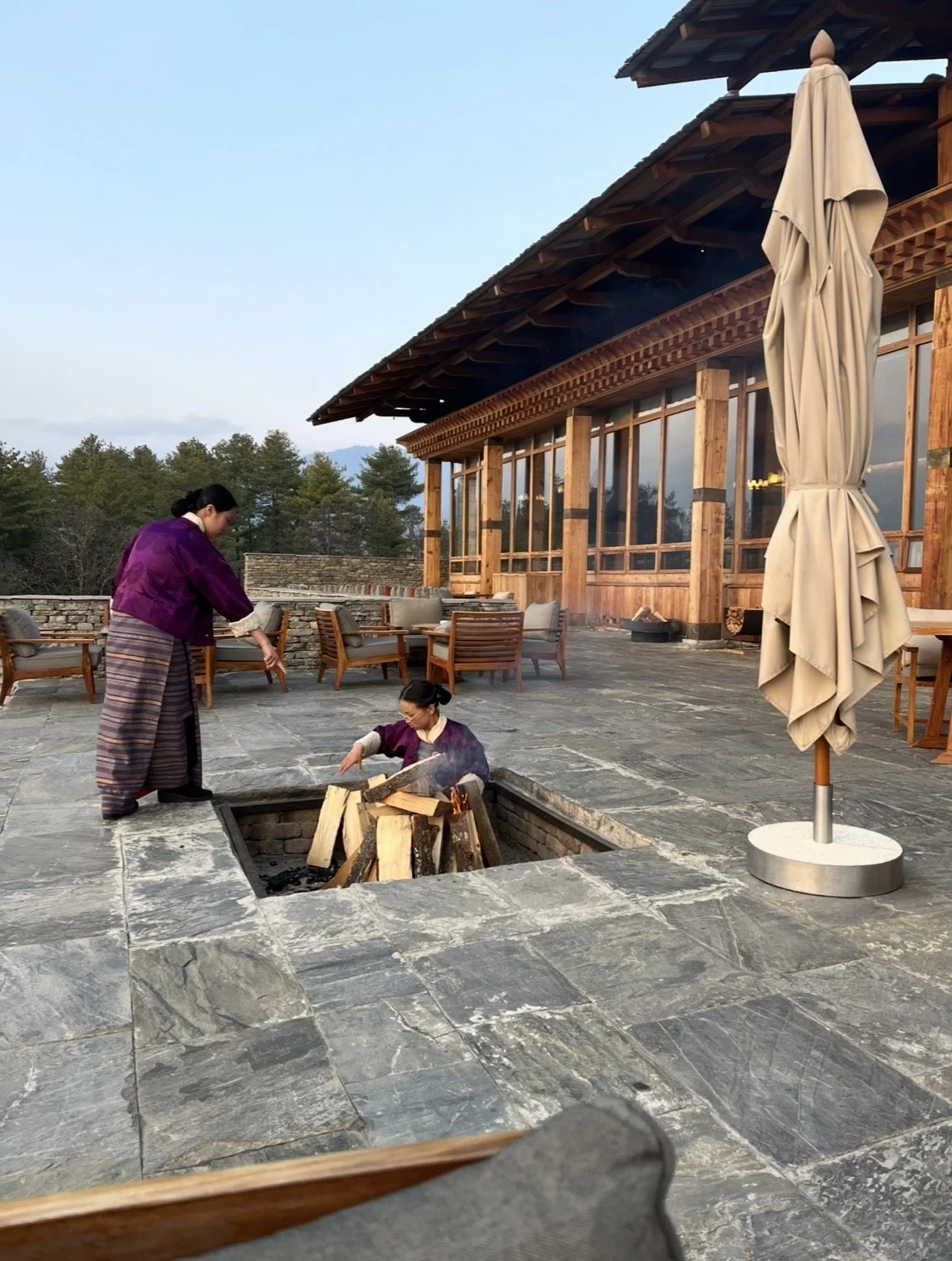
Staying at Four Six Senses Lodges
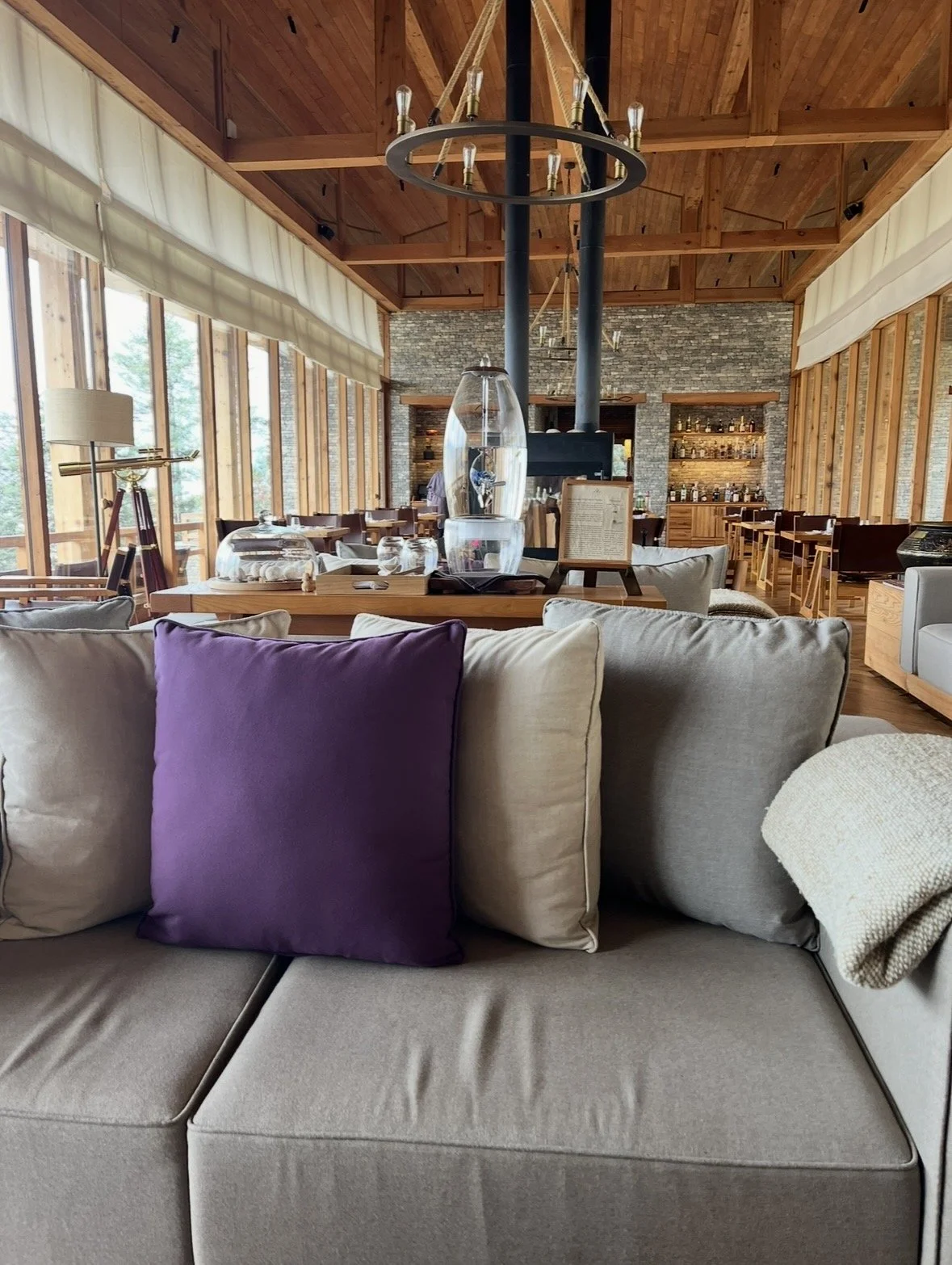
One of the highlights of our trip was experiencing four different Six Senses properties. Each lodge reflects its surrounding valley and has its own personality, making the transfers part of the adventure rather than an inconvenience.
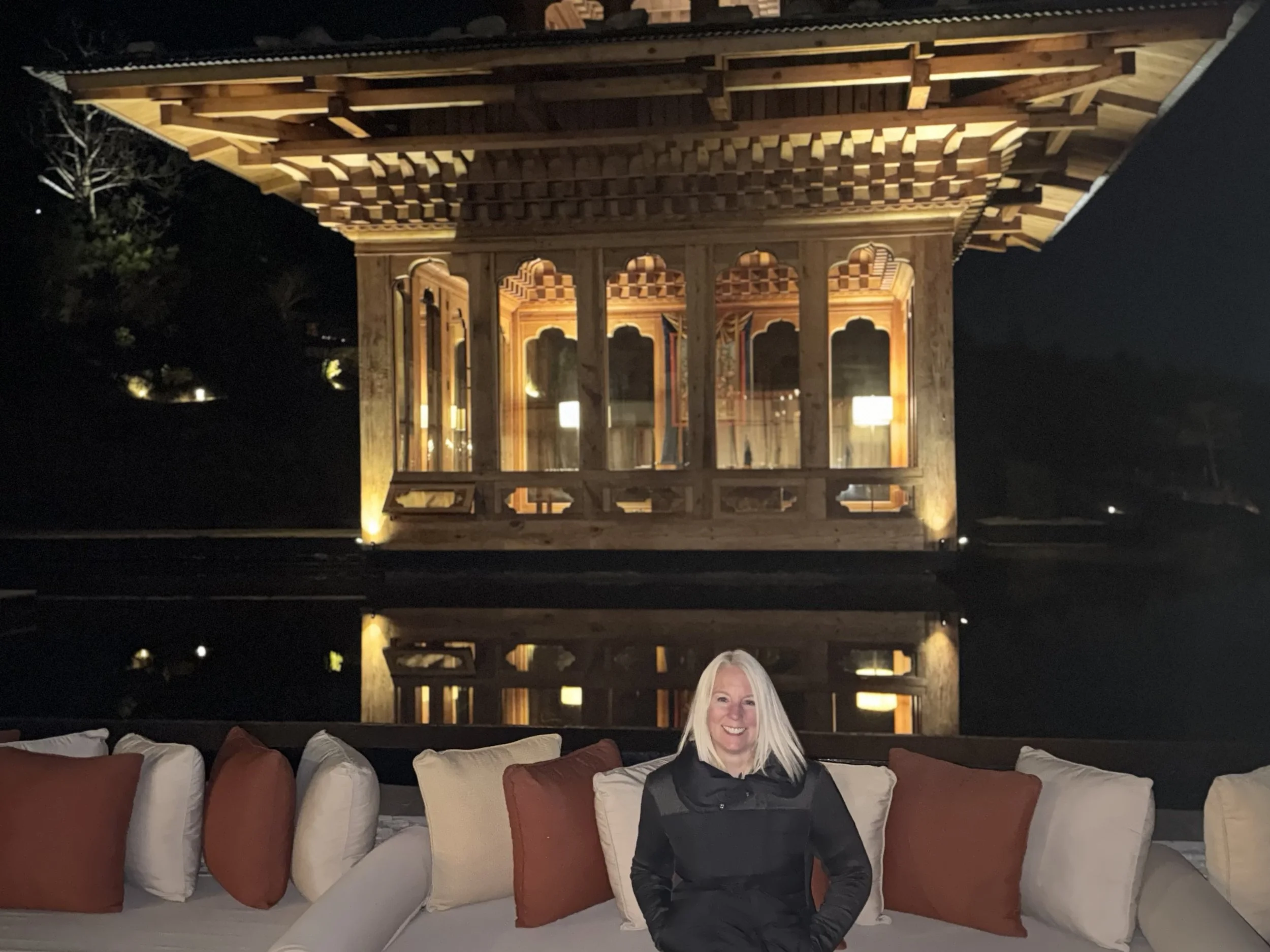
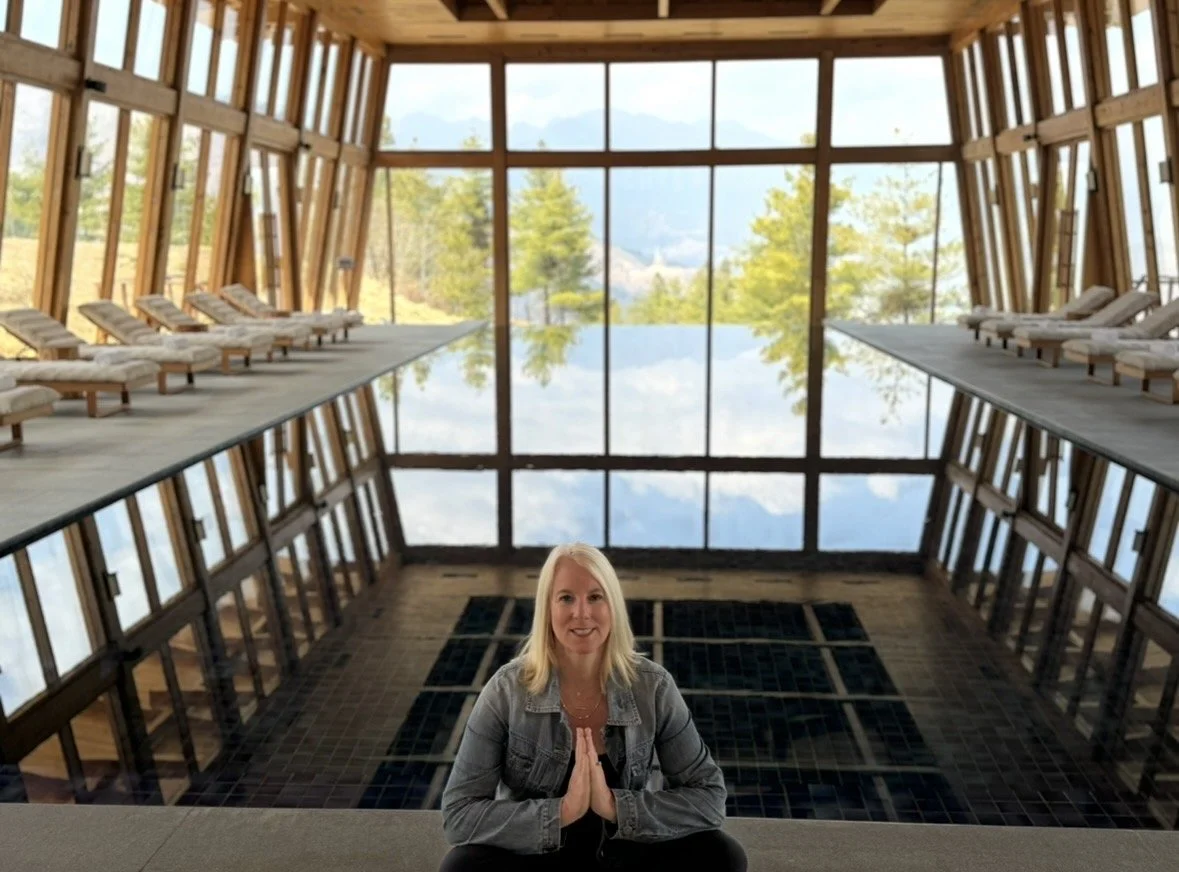
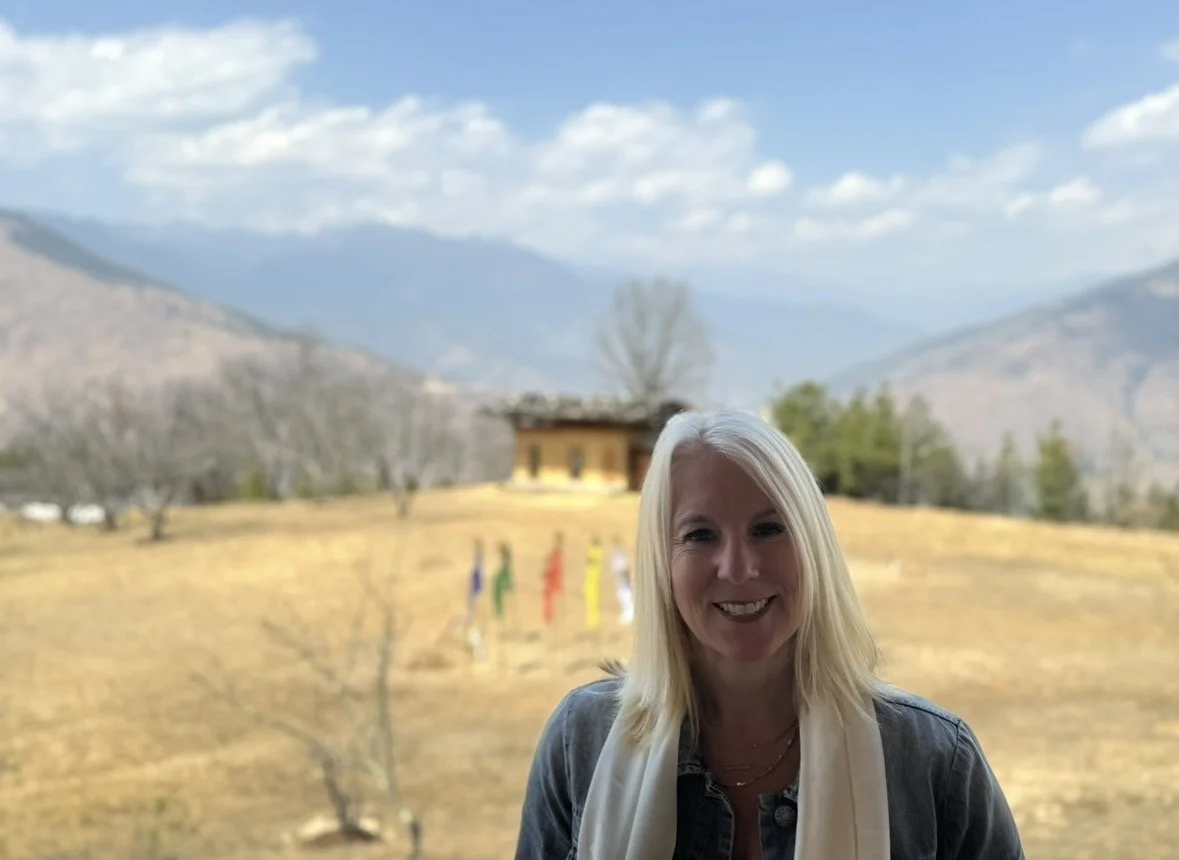
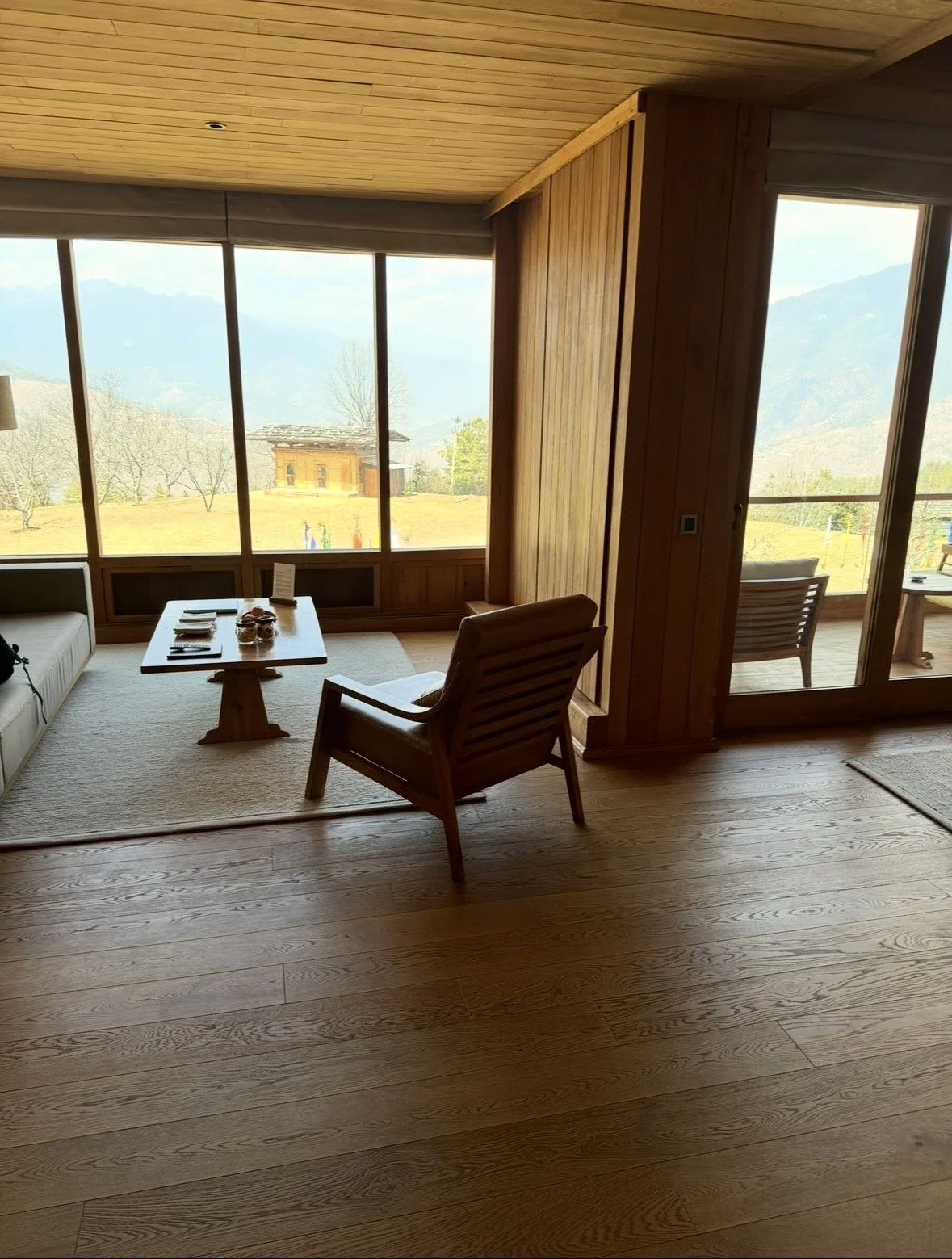
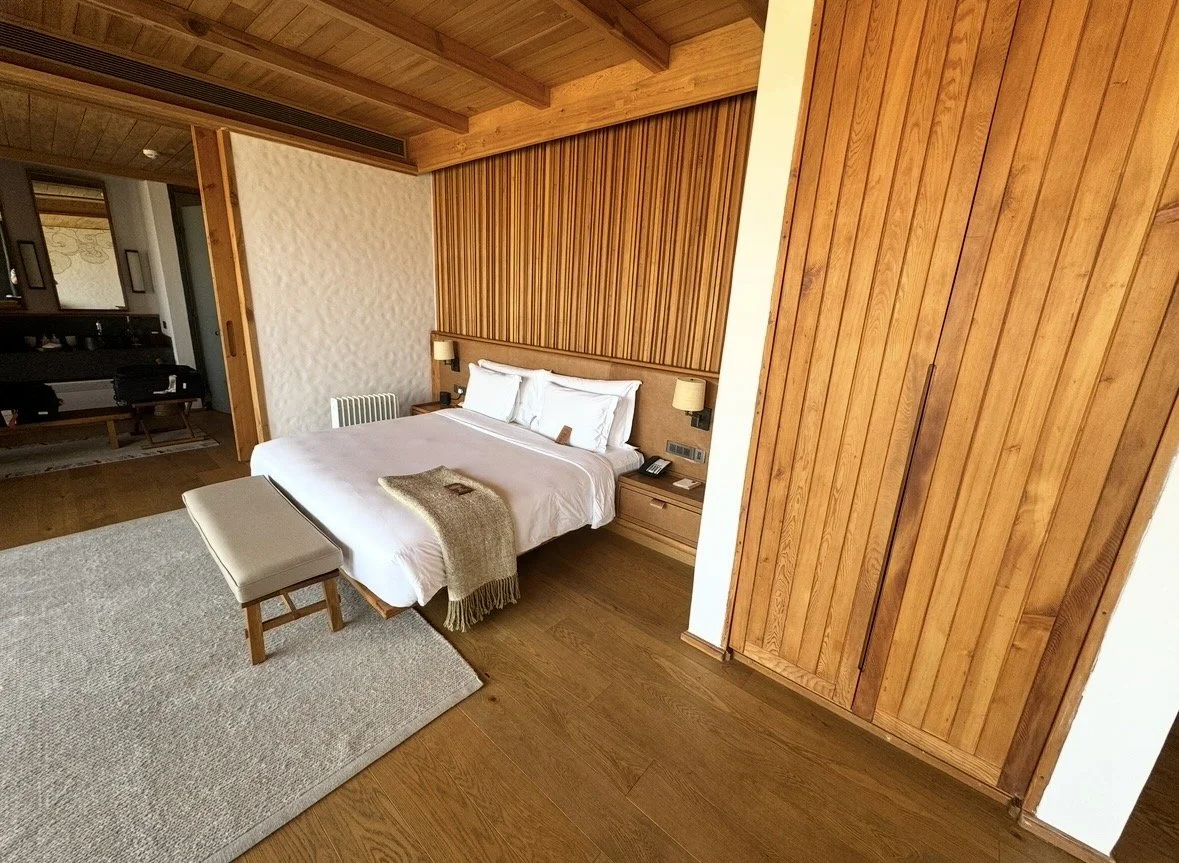
Six Senses Gangtey – Forest Within a Forest
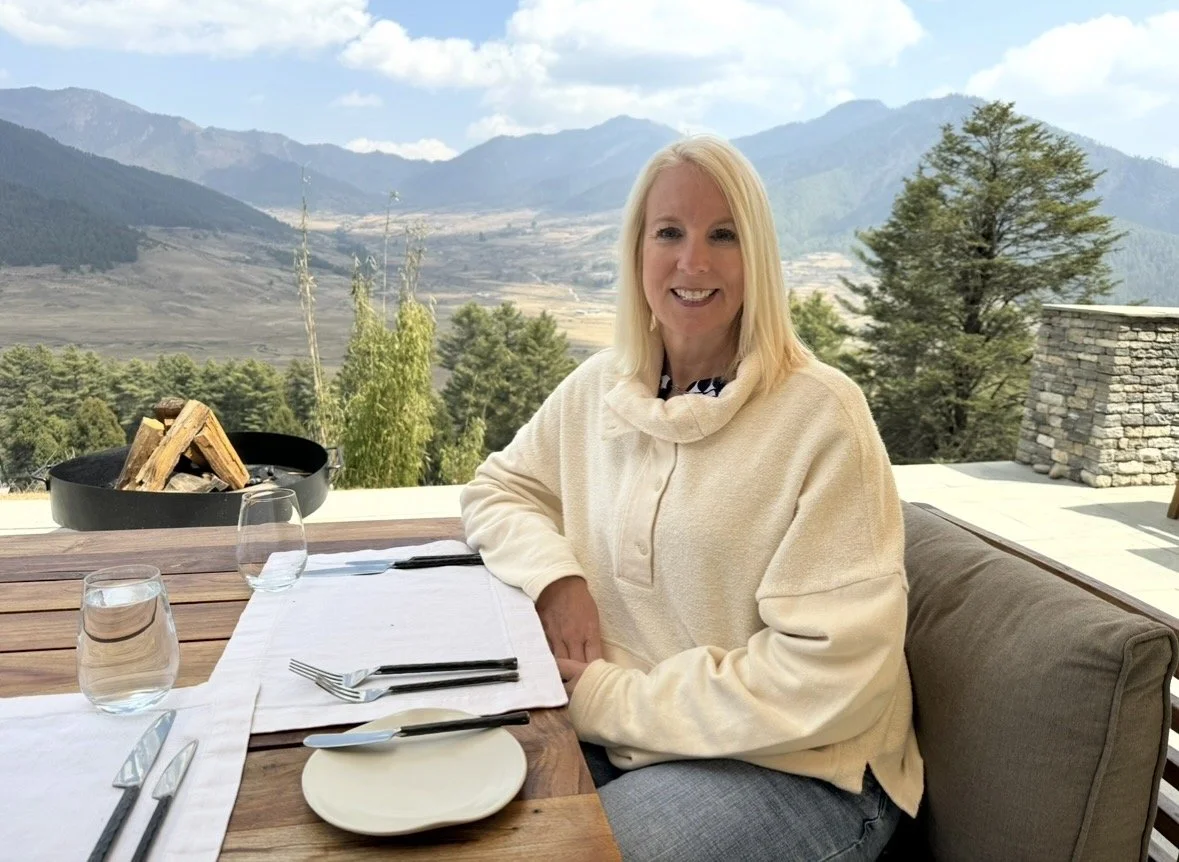
Gangtey was perhaps the most peaceful stop of the trip.
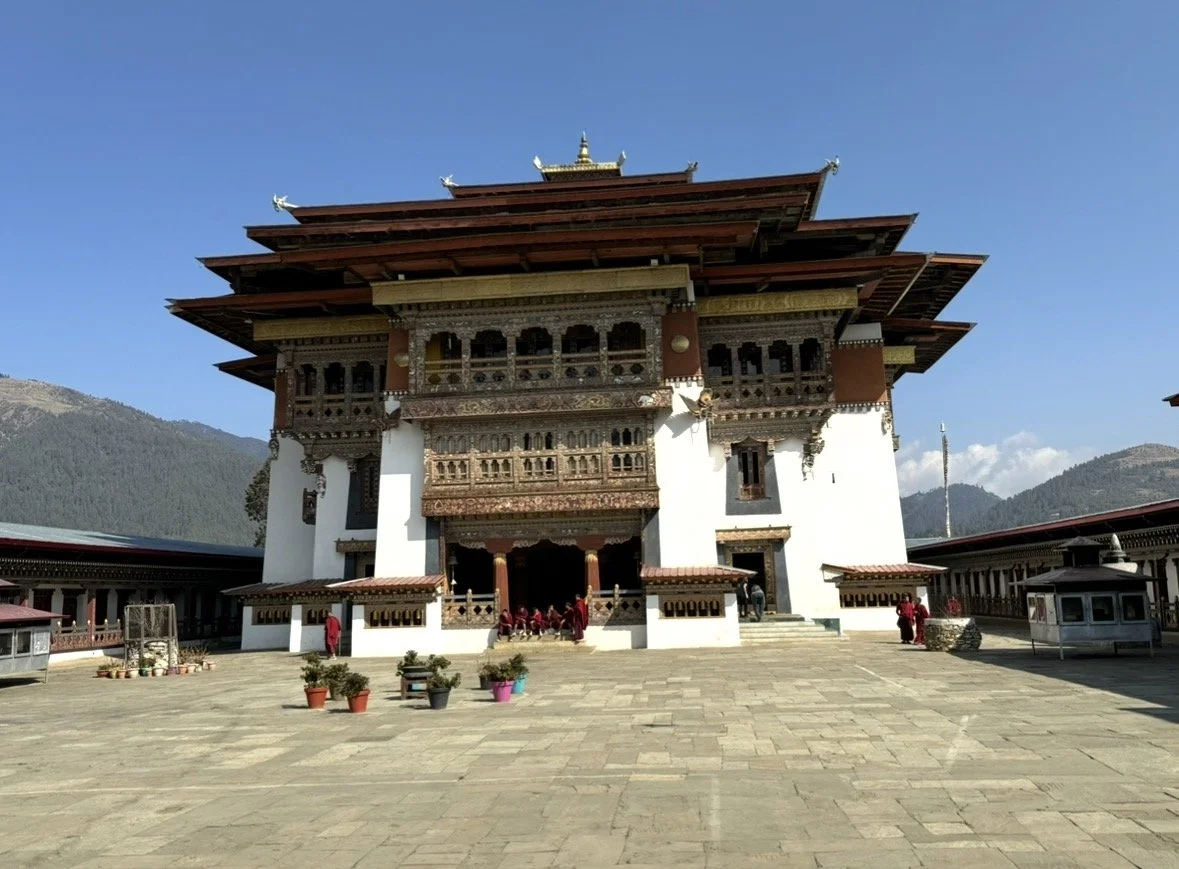
Located in the Phobjikha Valley, it's surrounded by pine forests and open meadows and serves as one of the best places in Bhutan for hiking and reconnecting with nature.
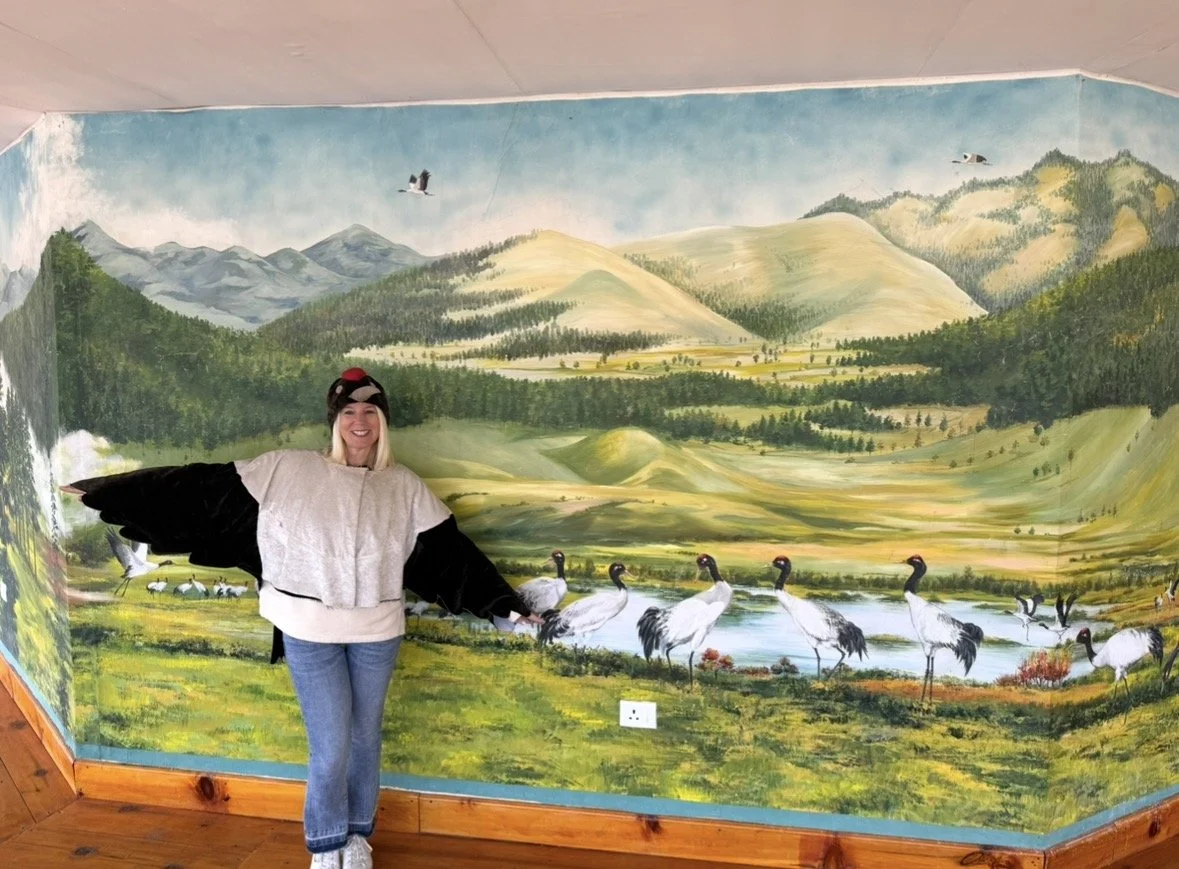
During winter, endangered black-necked cranes migrate here from Tibet.
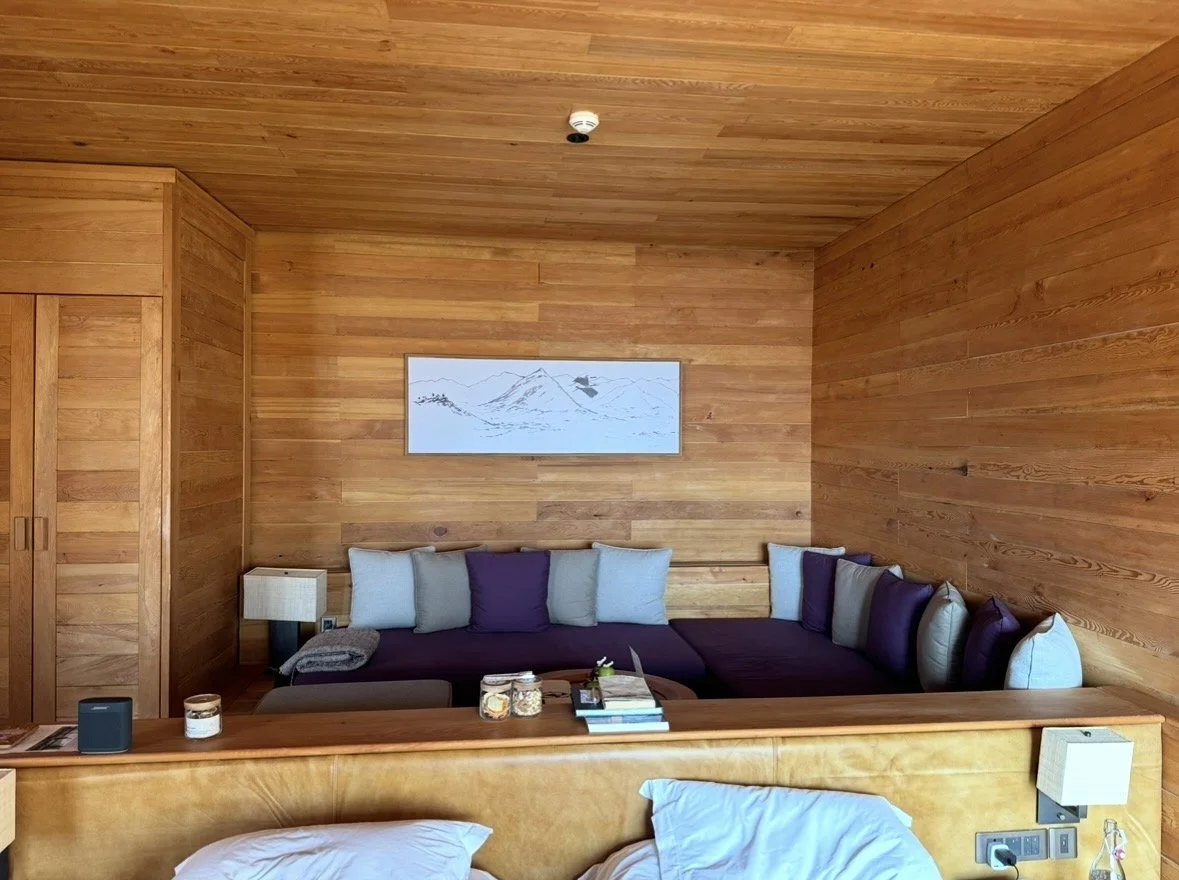
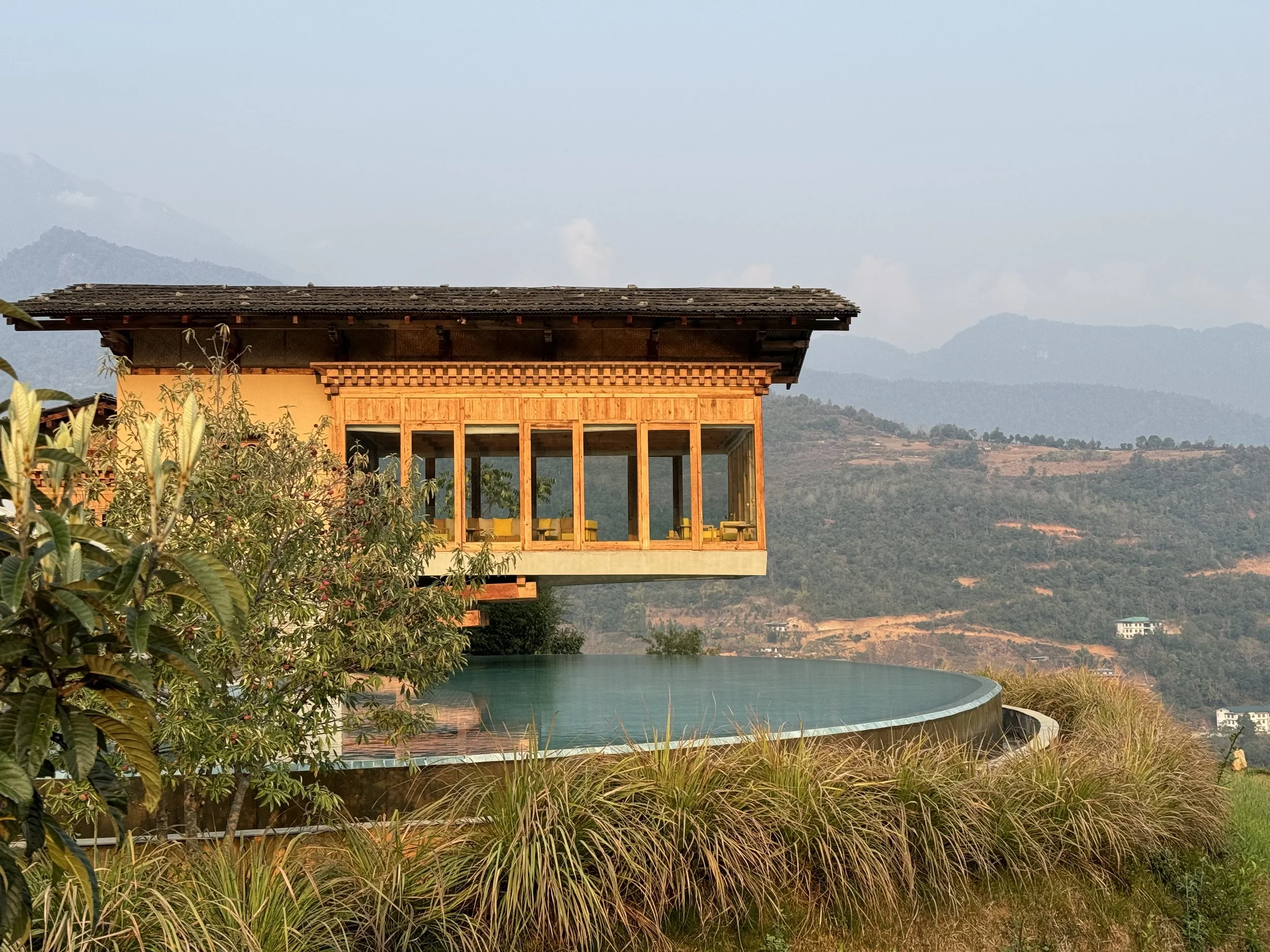
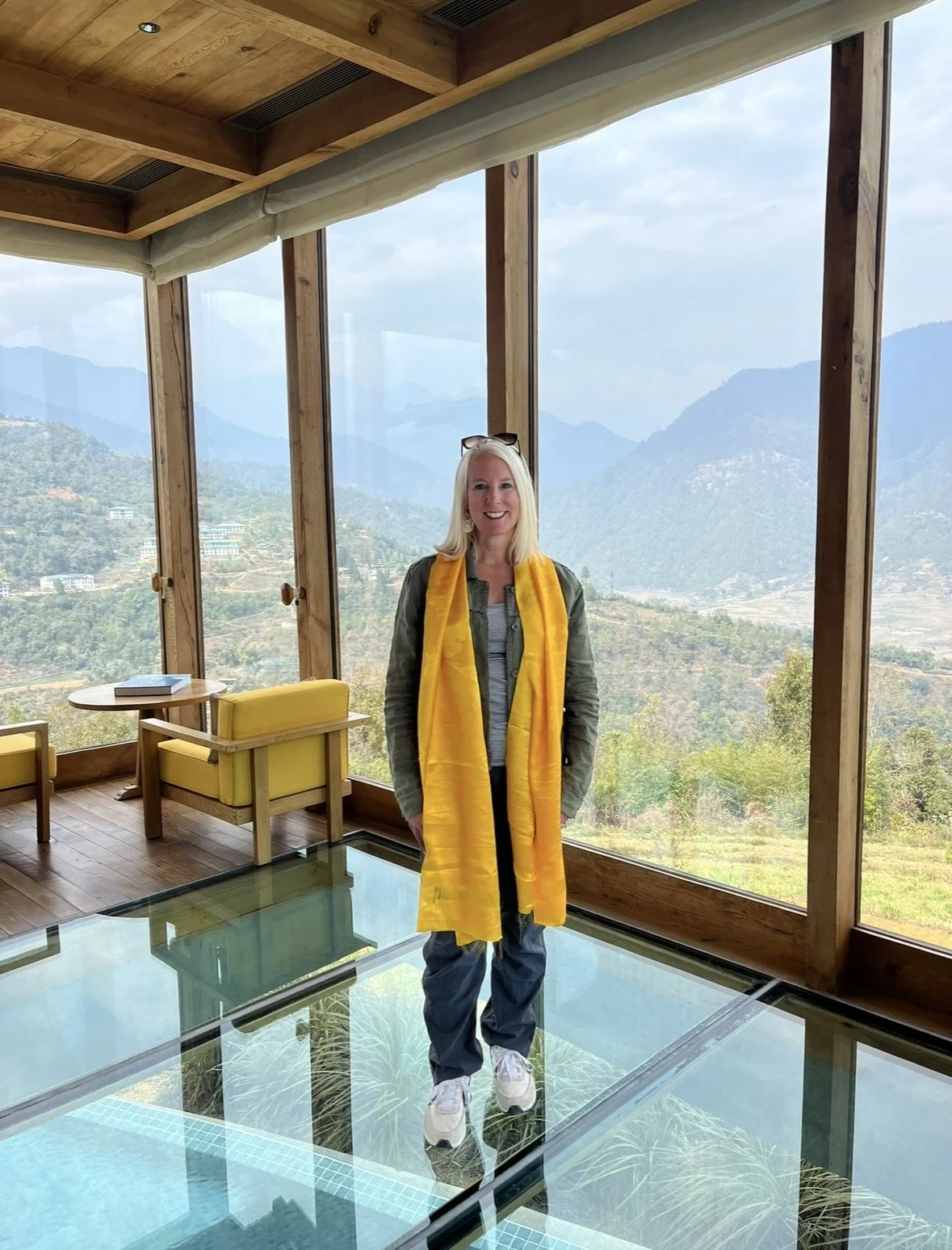
Six Senses Punakha – Flying Farmhouse
Punakha is warmer and greener than Thimphu, surrounded by rice terraces and subtropical forests.
The lodge emphasizes outdoor adventure, river activities, meditation, and farm to table dining.
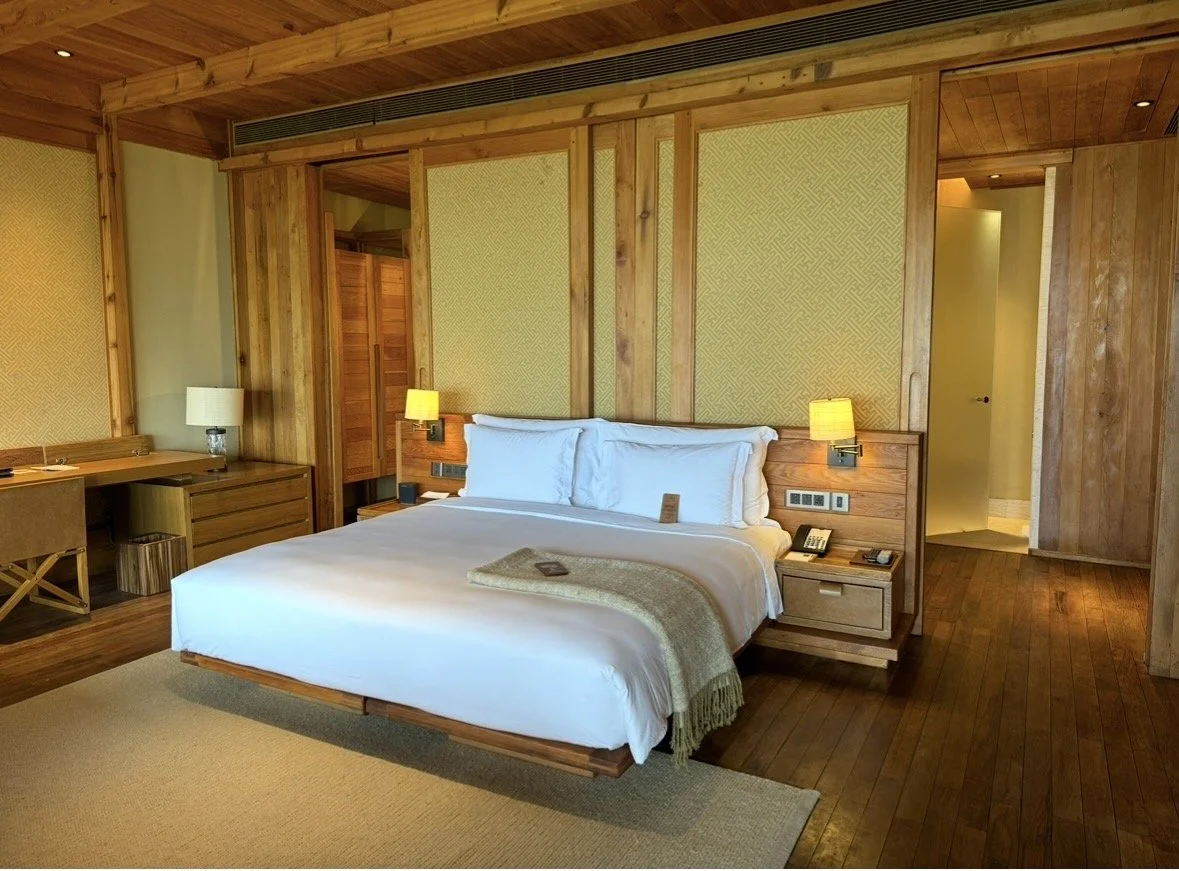
Six Senses Paro – Stone Ruins
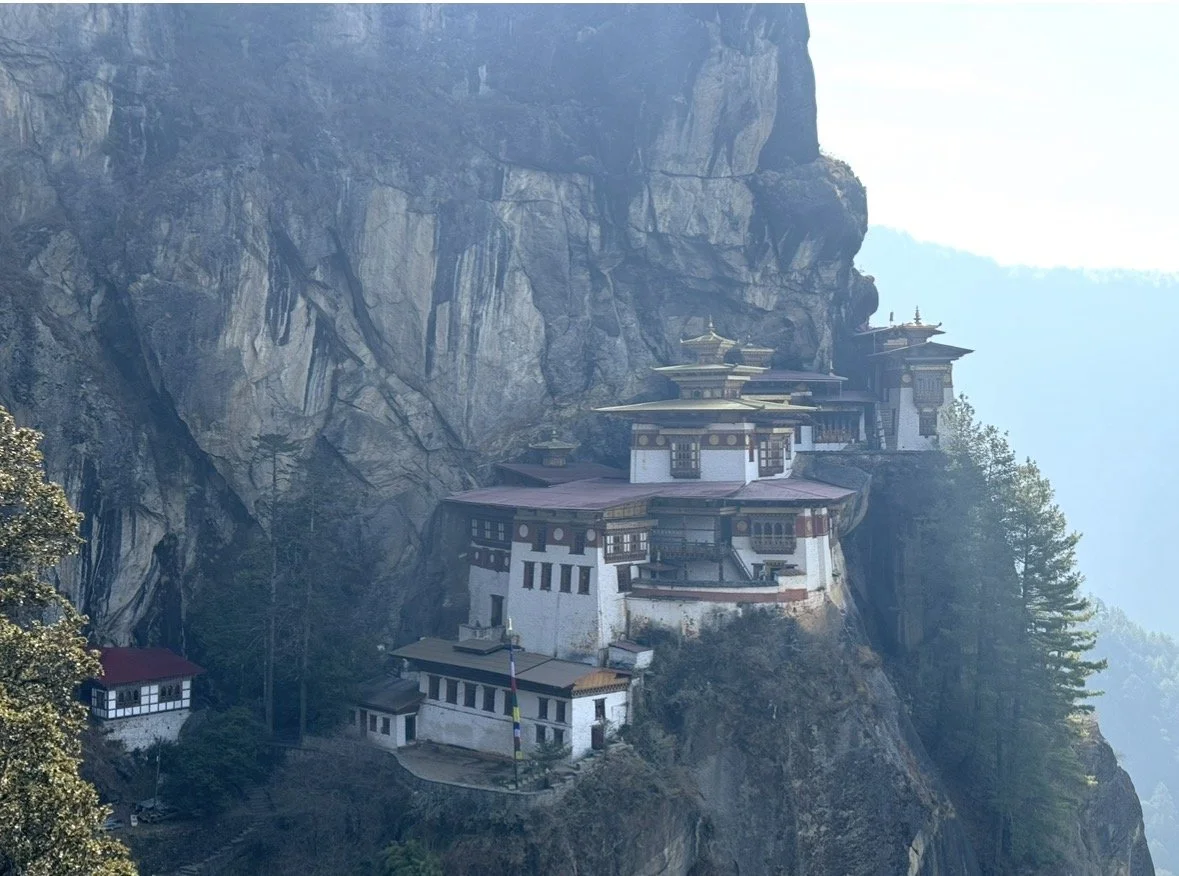
Paro is home to Bhutan's most famous attraction - Tiger's Nest Monastery, and the final stop before departure.
Its dramatic mountain setting makes it the perfect ending to the journey.
Best Things to Do
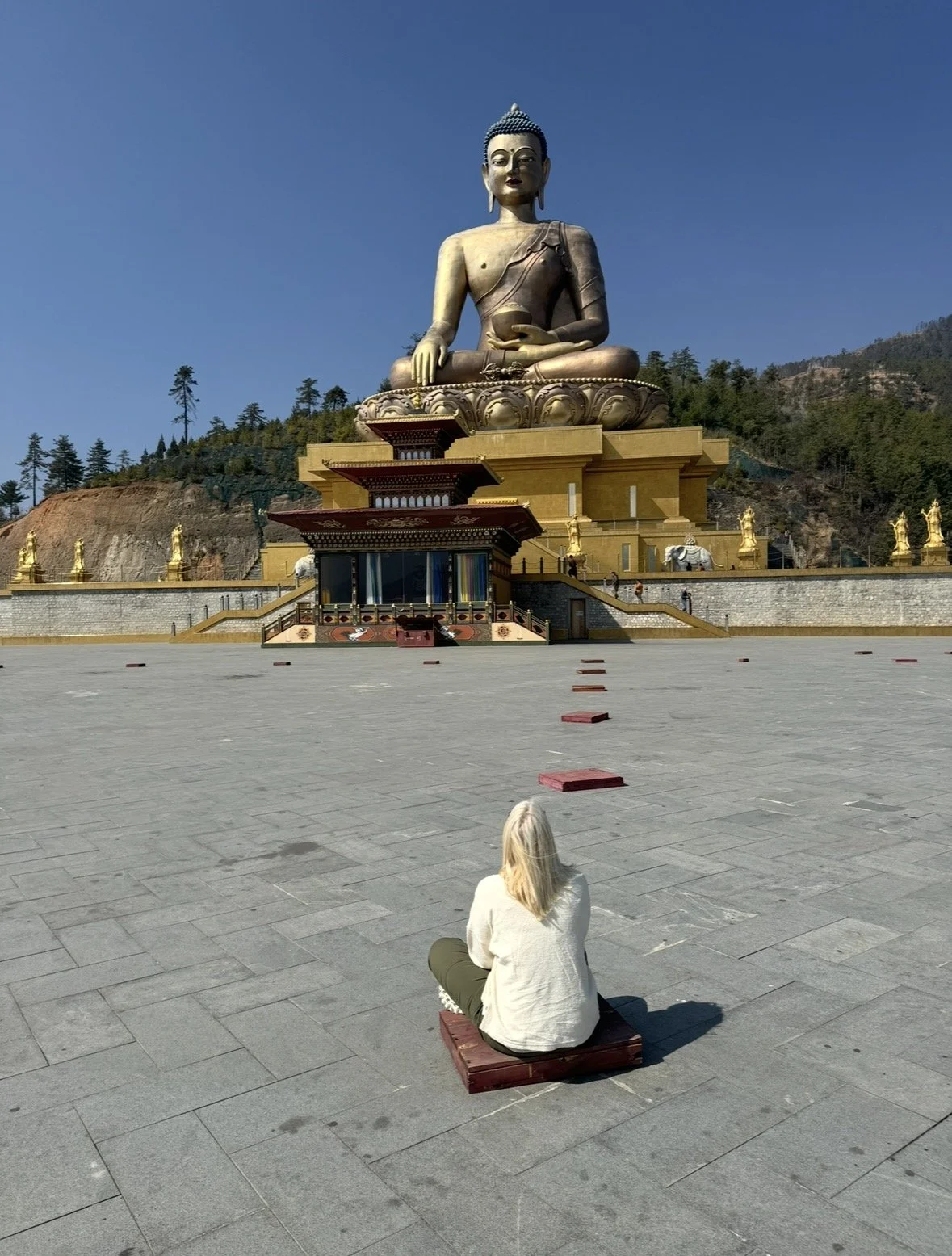
Explore Thimphu
Despite being Bhutan's capital, Thimphu feels more like a mountain town than a city.
Don't miss:
• Buddha Dordenma
• Tashichho Dzong
• Throne Room
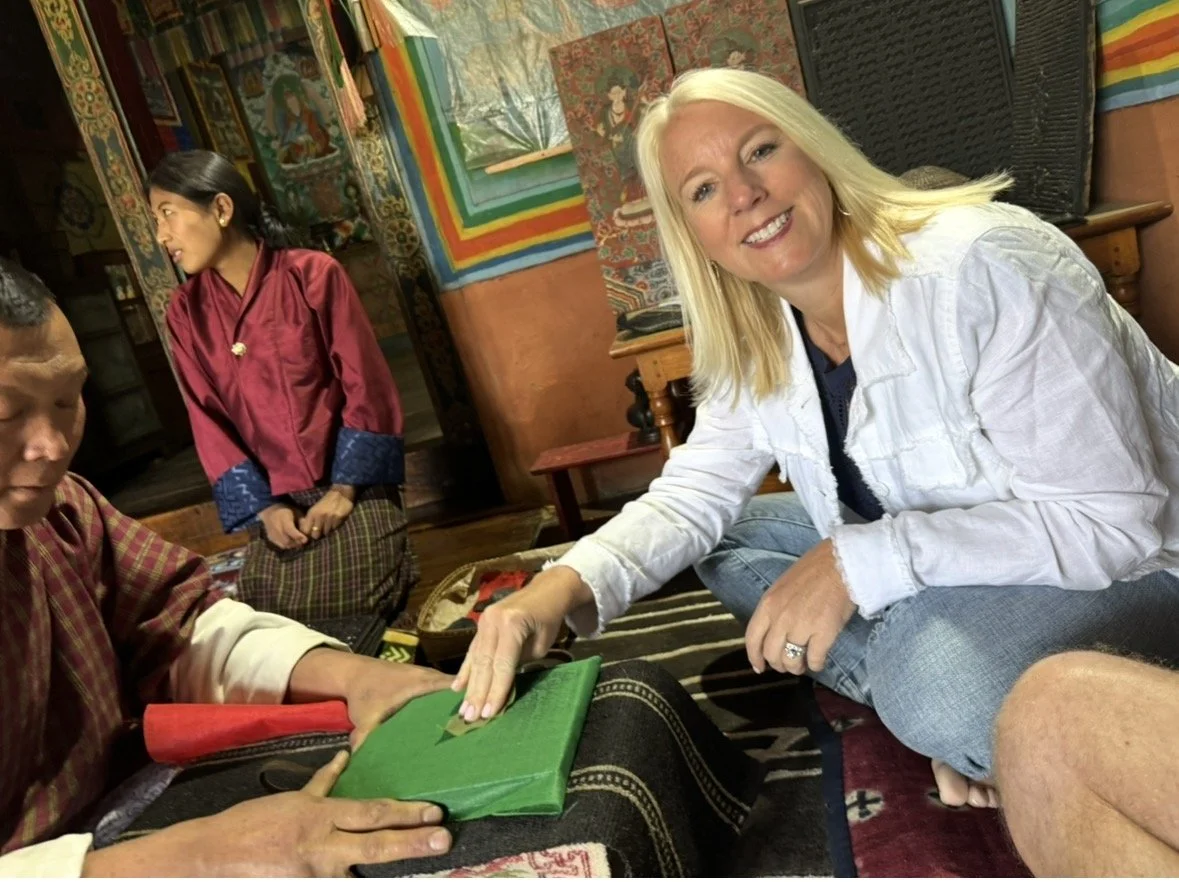
• Traditional stamp making
• Folk Heritage Museum
• Textile Museum
• National Institute for Zorig Chusum
• Handmade paper workshop
• Incense making
• Local handicraft markets
One unique experience was receiving an astrology reading from a local astrologer—a fascinating glimpse into Bhutanese spiritual traditions.
Discover Gangtey Valley
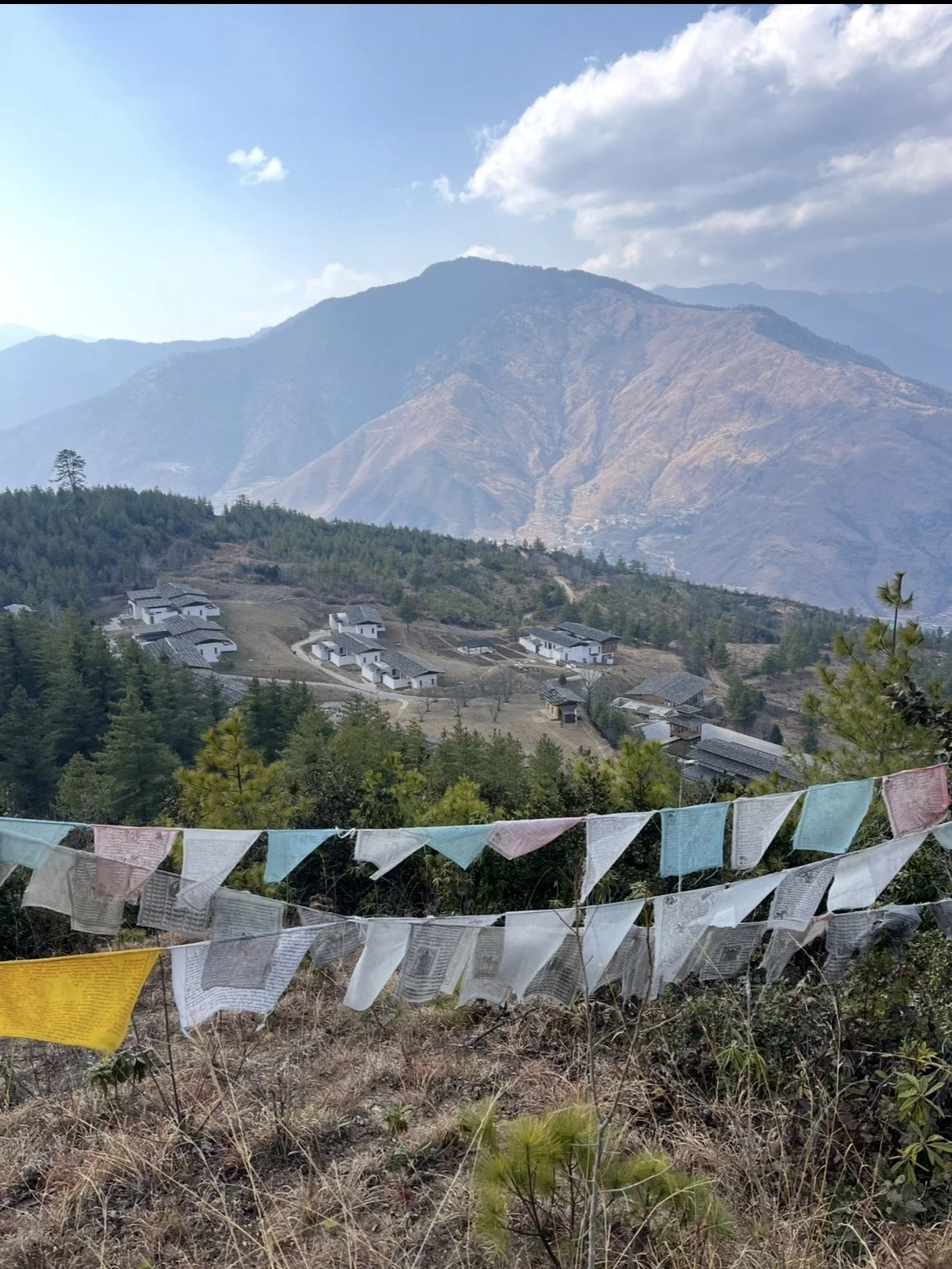
Gangtey offers some of Bhutan's most beautiful landscapes.
Activities include:
• Nature Trail
• Crane Visitor Center
• Village walks
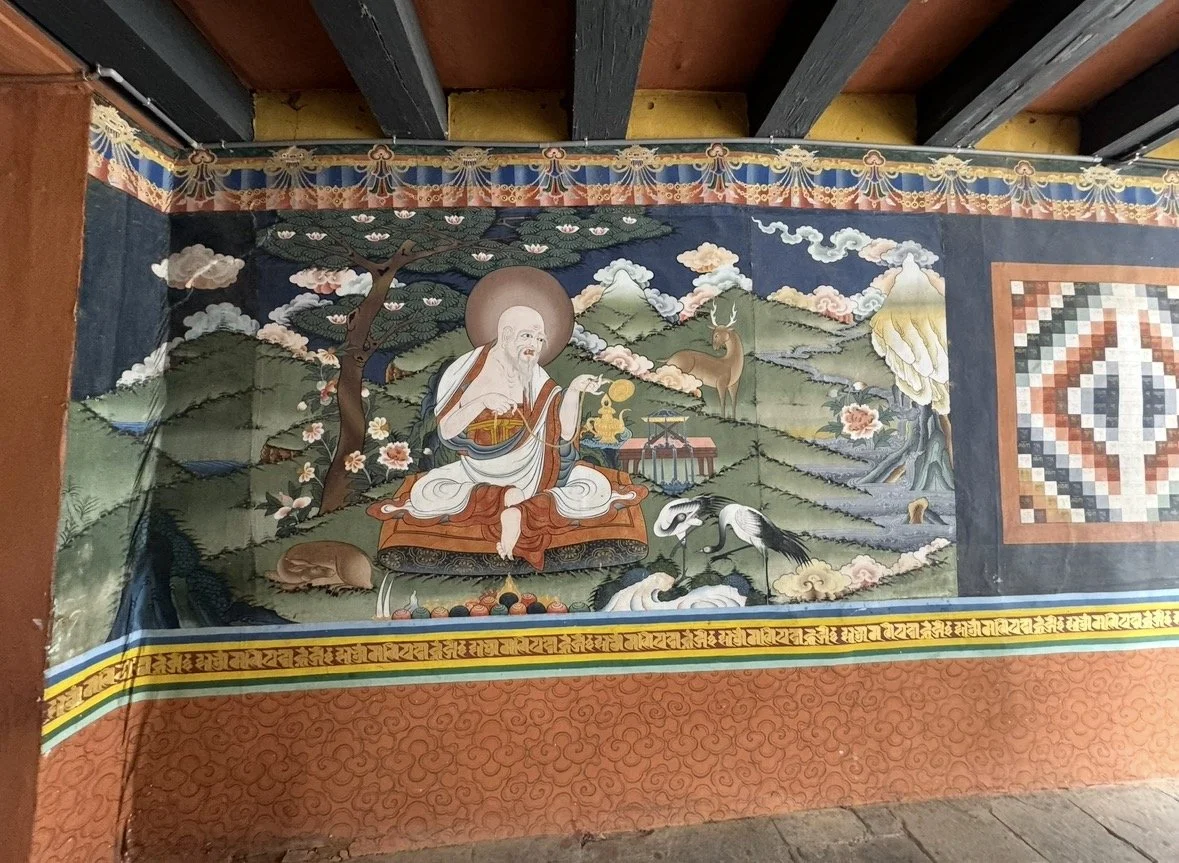
• Monastery visits
• Mountain biking
• Evening monastery prayers
The valley's peaceful atmosphere makes it an ideal destination for slowing down.
Visit Punakha
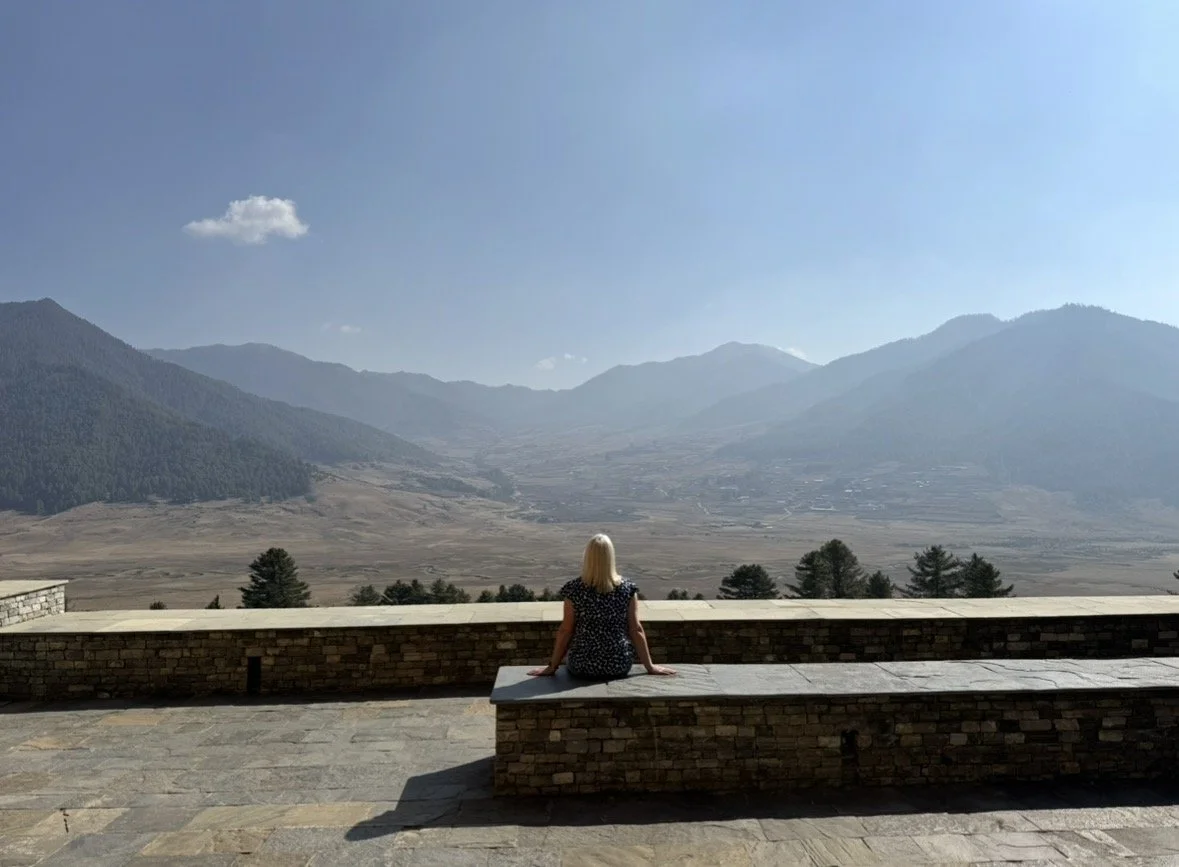
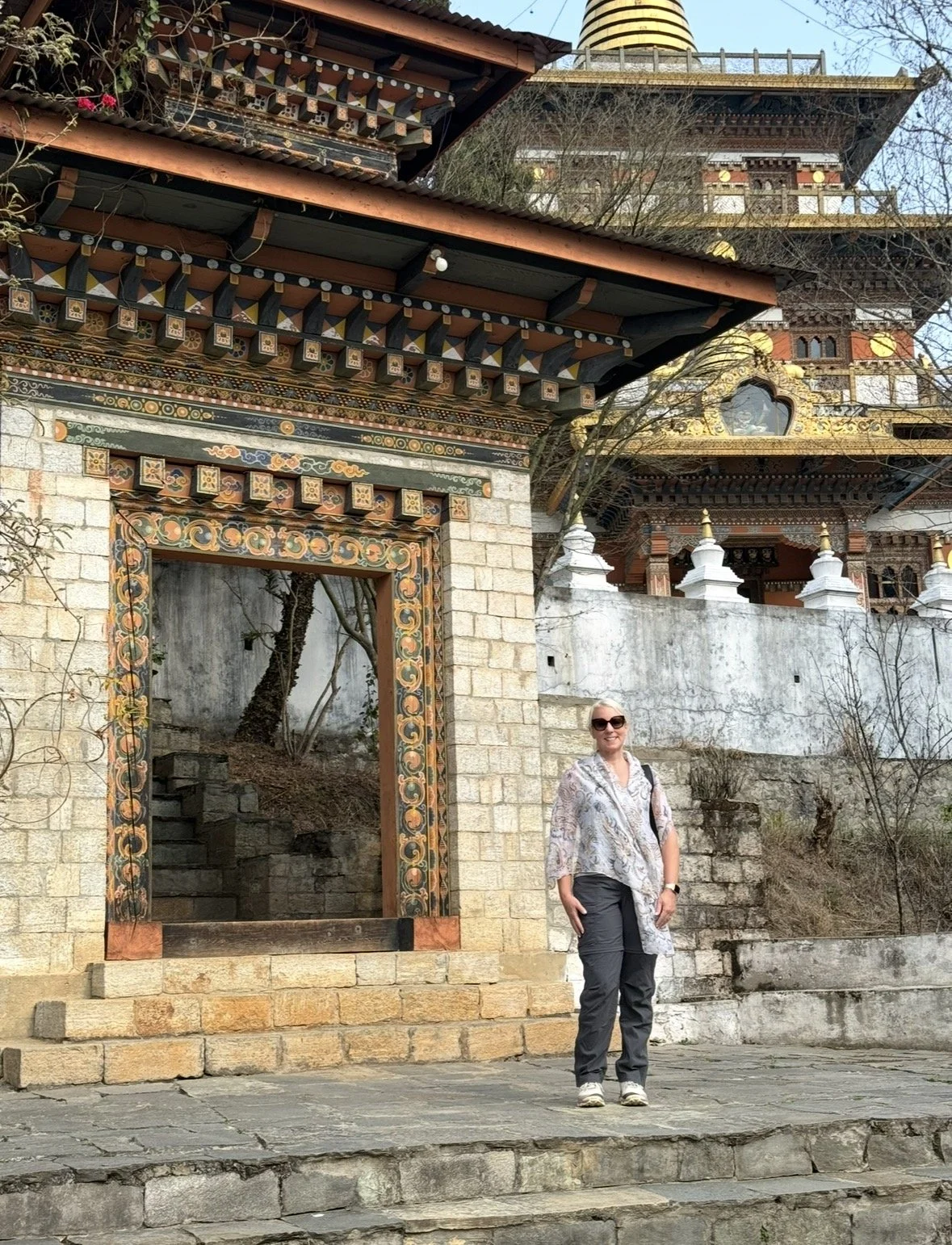
Punakha combines stunning scenery with important religious sites.
Highlights include:
• Chimi Lhakhang (Fertility Temple)
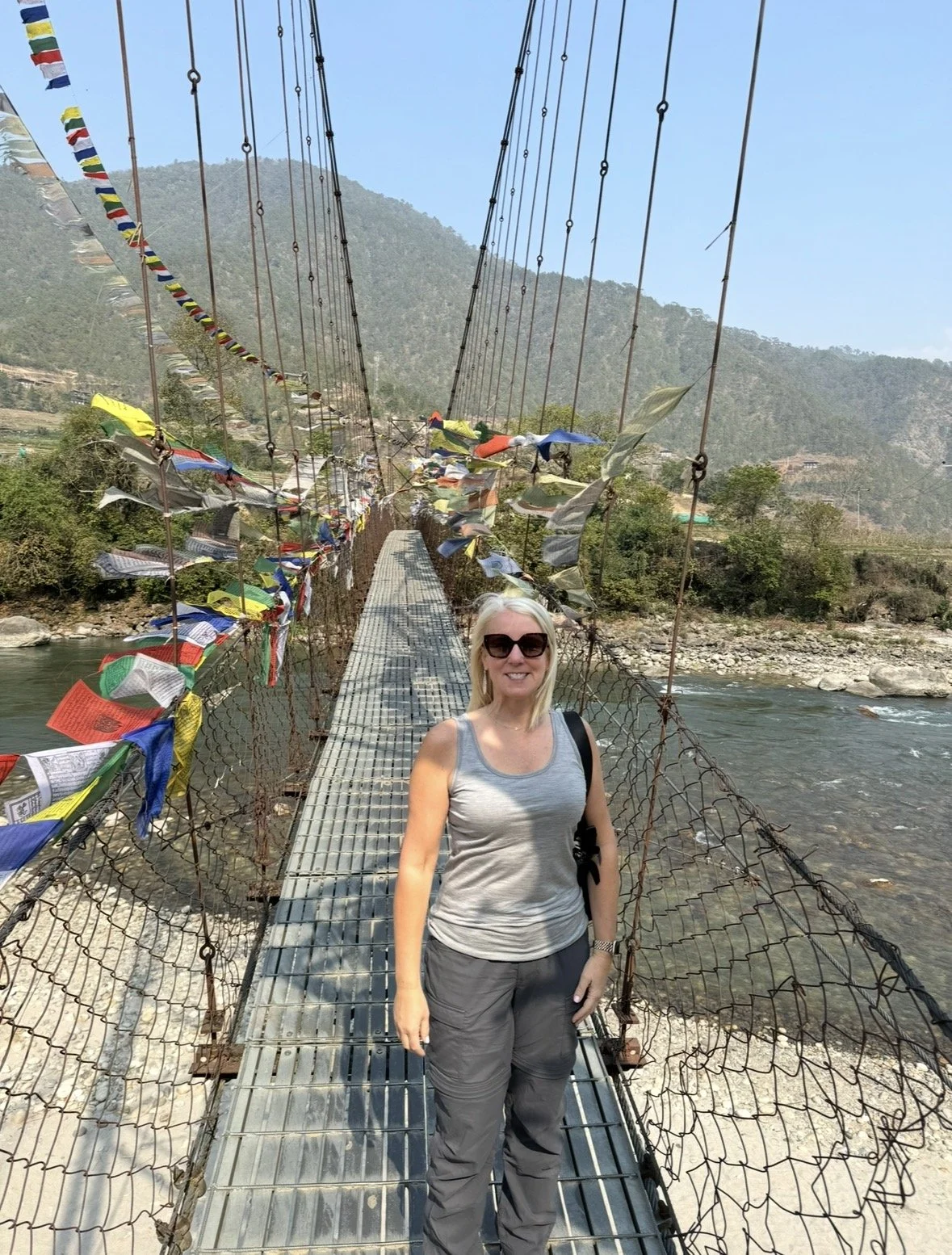
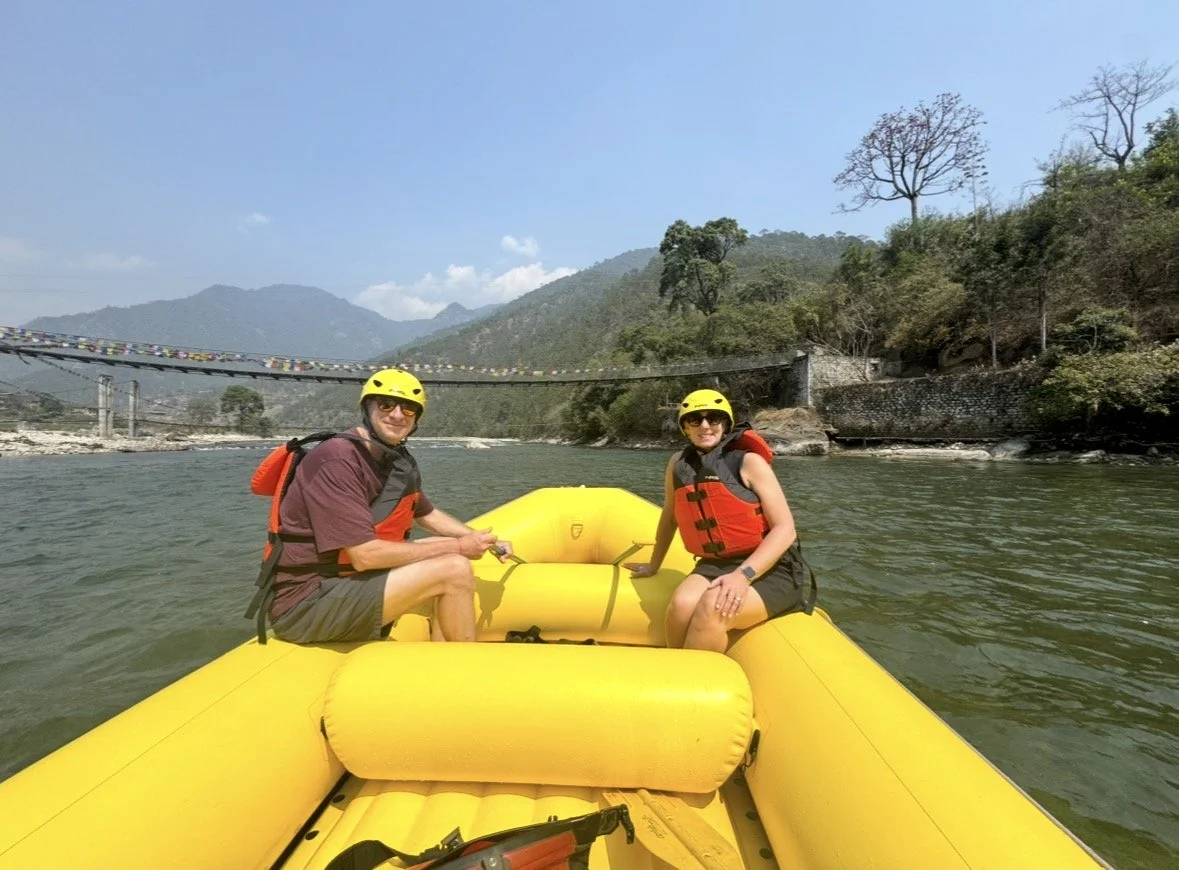
• Suspension Bridge
Punakha Dzong - second largest and second oldest dzong in Bhutan
• Riverside hiking
• Guided meditation
• Rafting on the Mo Chhu River
• Scenic lodge hikes
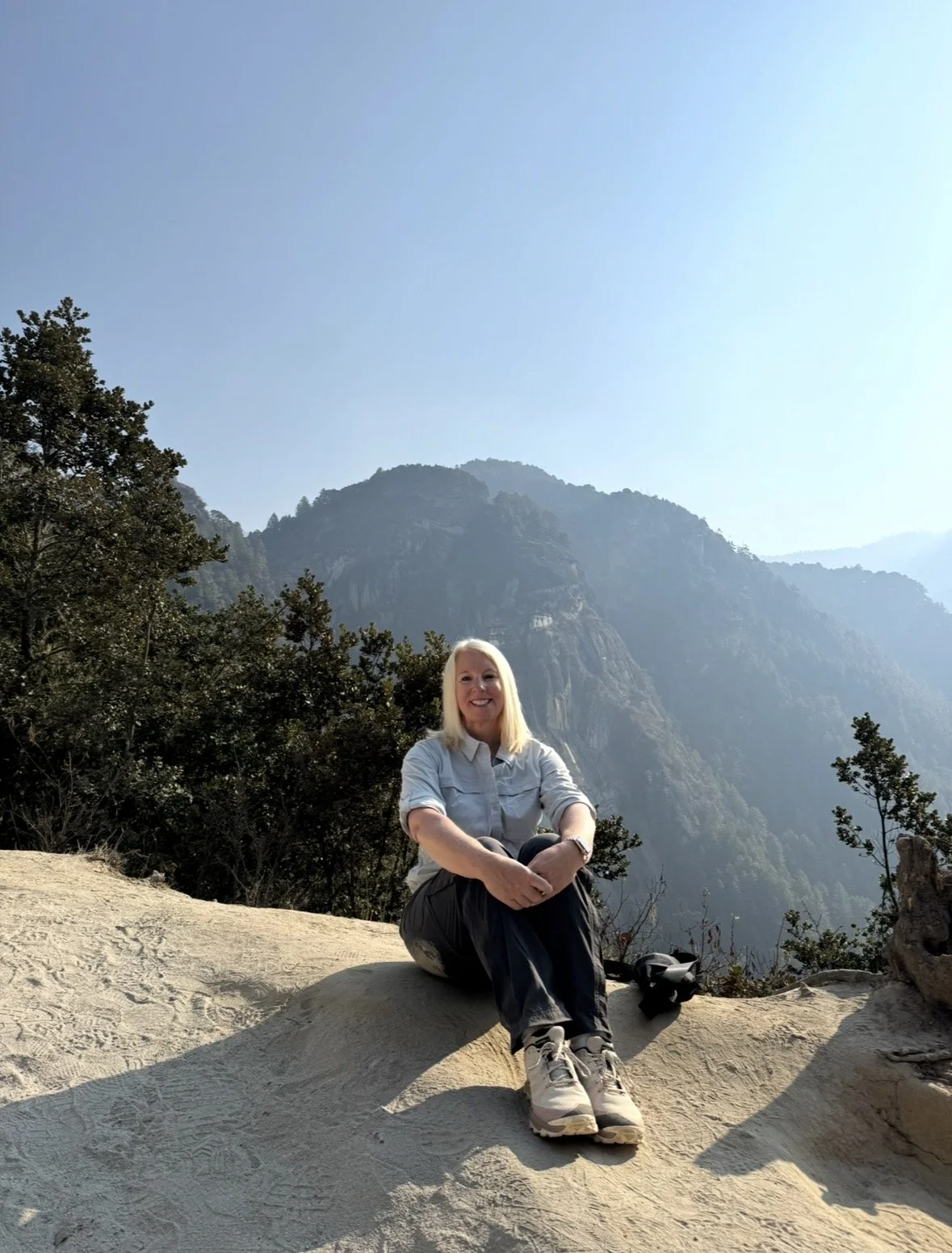
Hike to Tiger's Nest Monastery
No visit to Bhutan is complete without hiking to Tiger's Nest.
Expect:
Time: 4–5 hours round trip
Difficulty: Moderate
Elevation gain: approximately 2,000 feet
A picnic lunch arranged by Six Senses made the experience even more memorable before continuing to one of the world's most iconic monasteries.
Wellness Experiences
Bhutan and Six Senses are a perfect pairing.
Throughout the journey we enjoyed:
• Guided meditation
• Wellness classes
• Traditional hot stone therapies
• Steam treatments
• 60-minute massages
• Yoga
• Forest walks
• Spa experiences unique to each lodge
Rather than treating wellness as an add on, Six Senses integrates it into the entire Bhutan experience.
Food & Drink
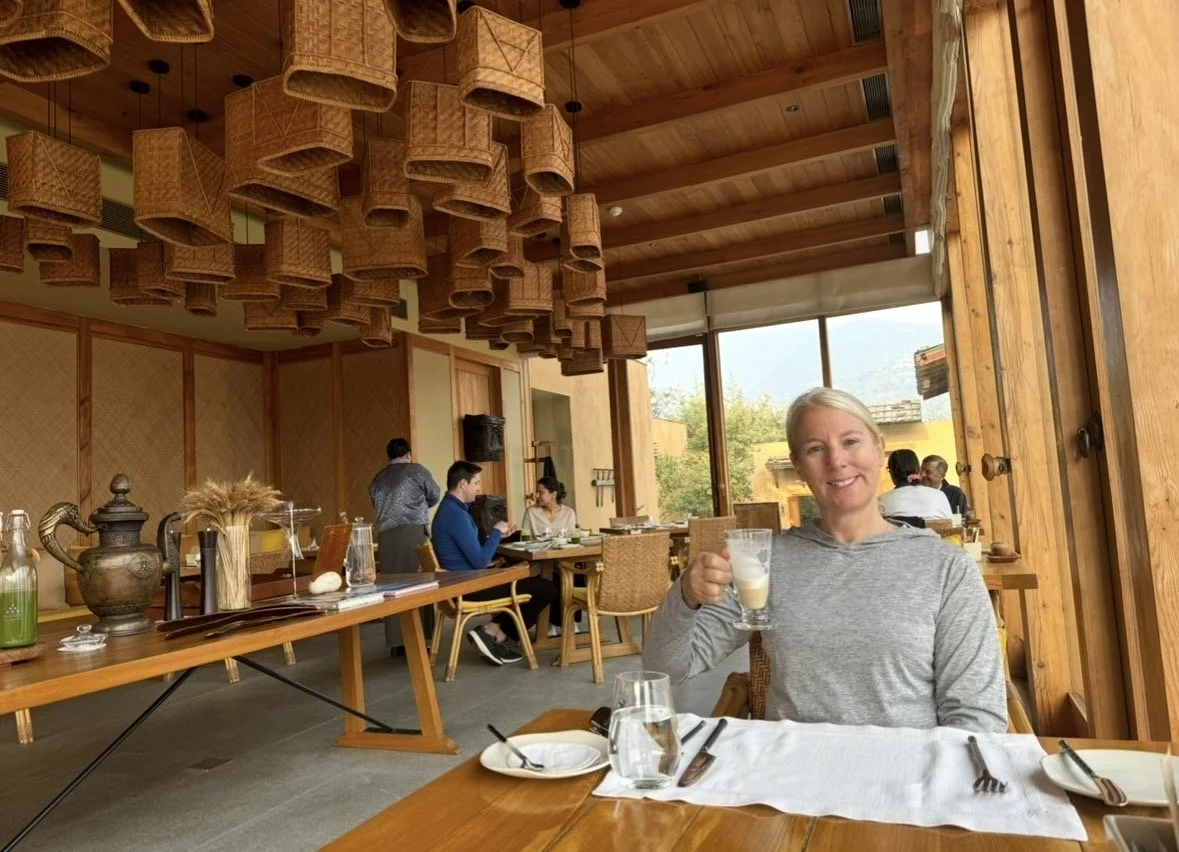
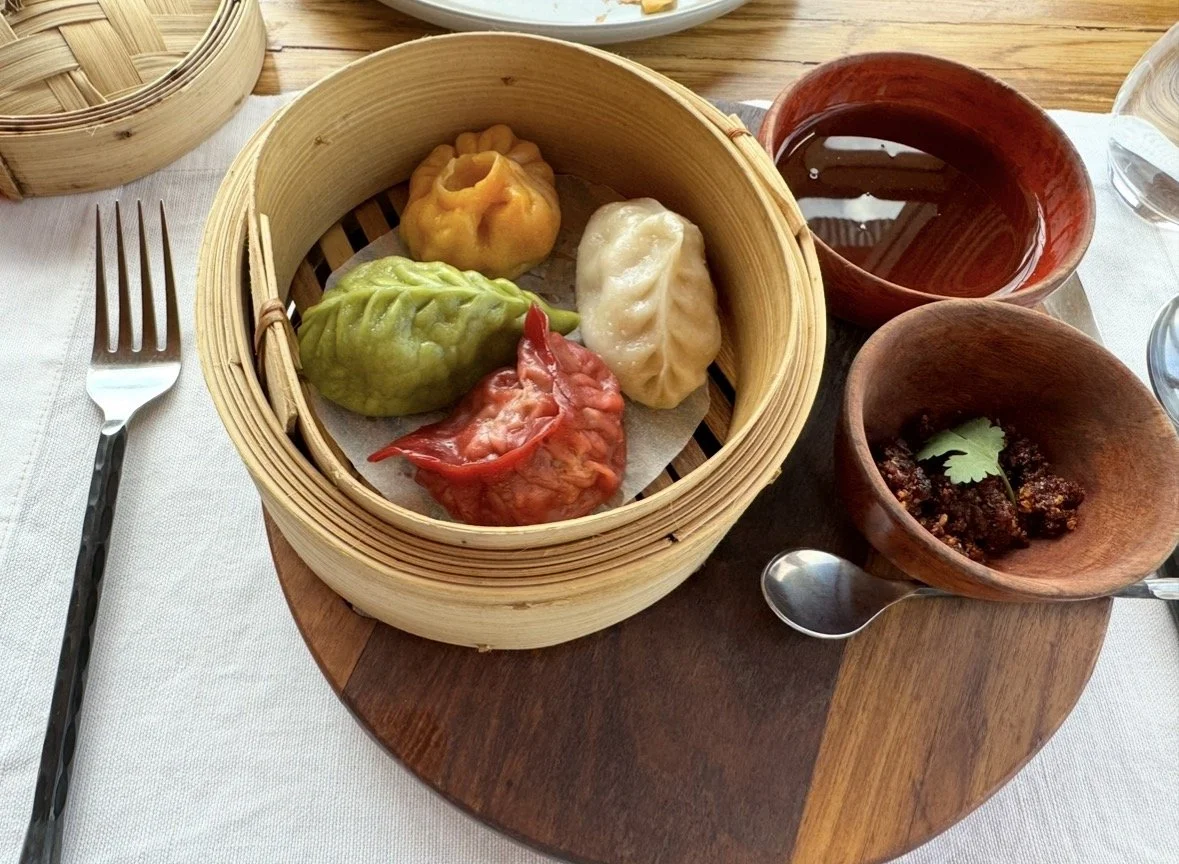
Dining became one of the unexpected highlights of the trip.
Favorite meals included:
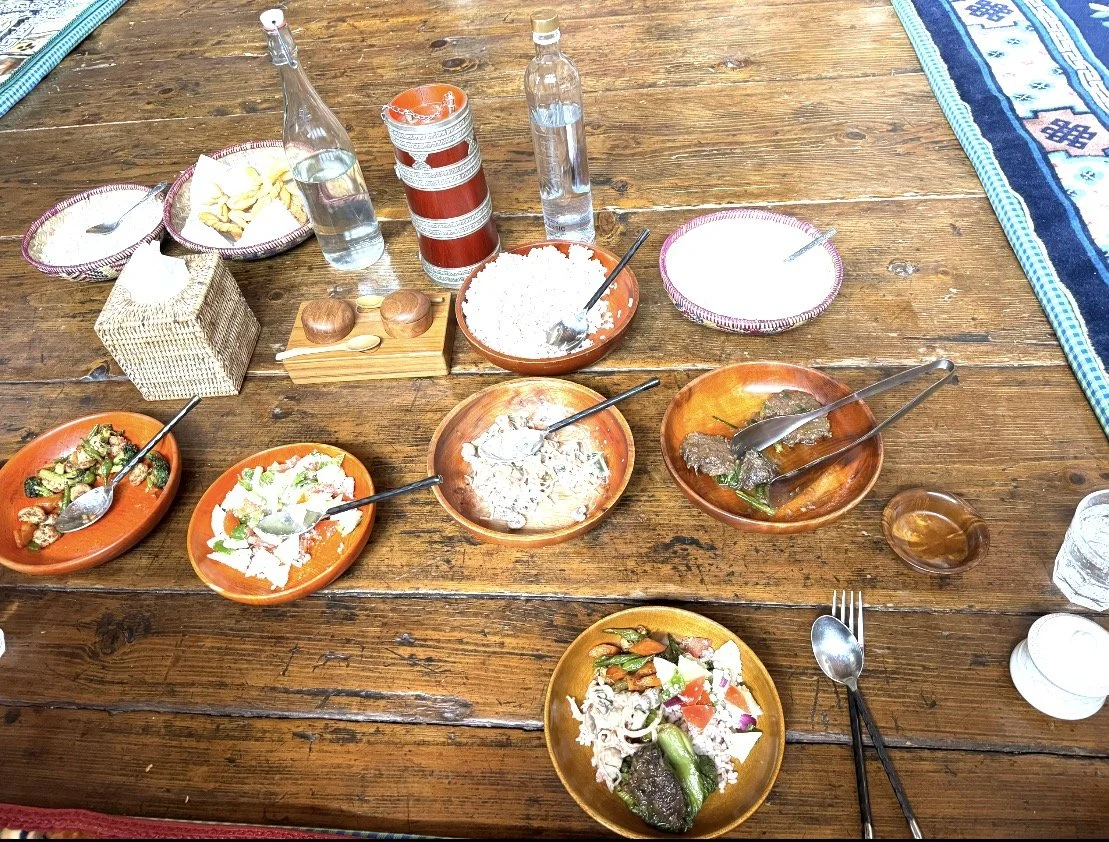
Farmhouse Lunch -One of our favorite lunches featured traditional Bhutanese hospitality inside a local farmhouse.
Other memorable experiences included:
• Picnic lunches during hikes
• Traditional Bhutanese thali
• Breakfast hikes
• Fresh mountain ingredients
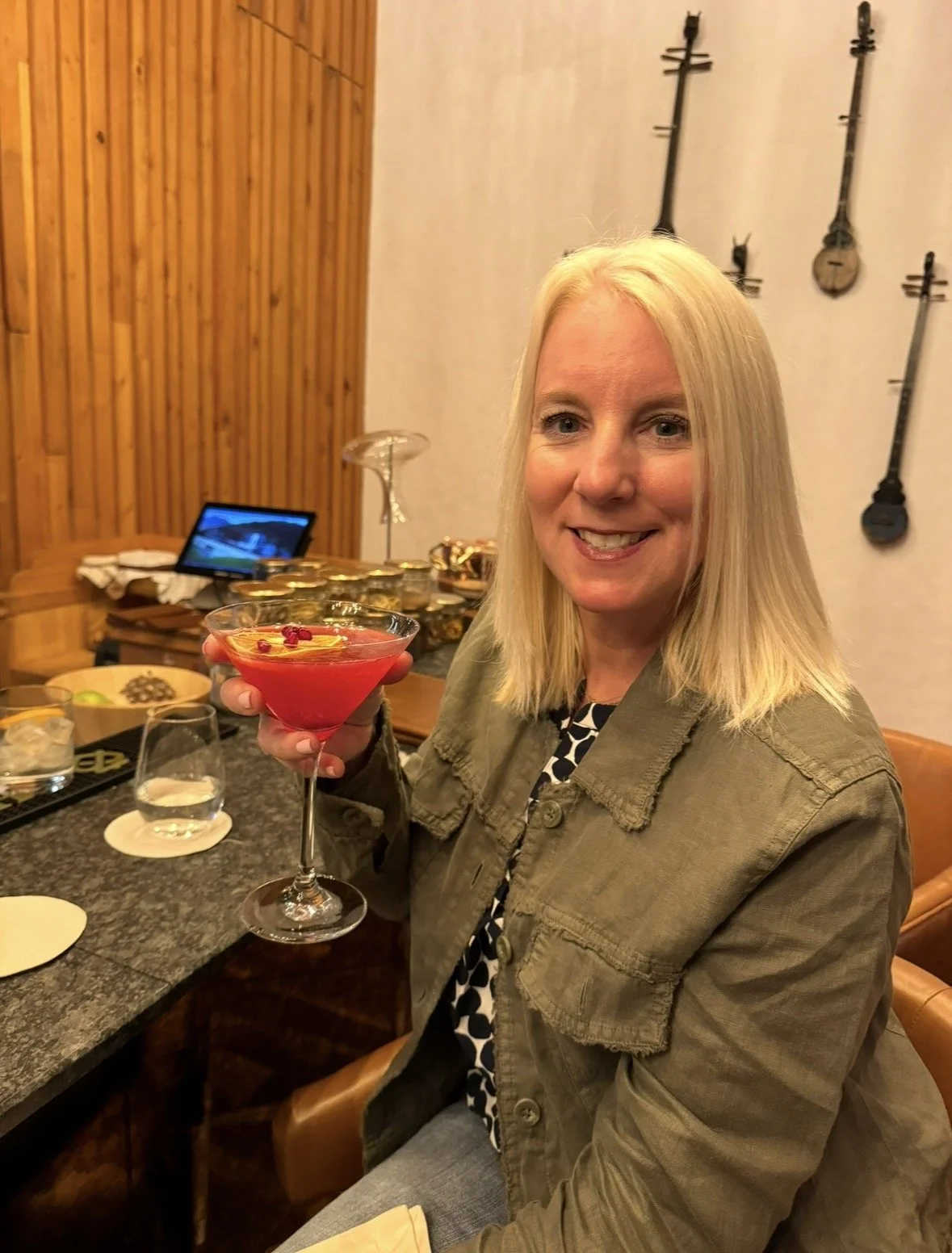
• Sunset cocktails, including an excellent Pomegranate Martini

Our Favorite Experiences
If we only had to choose a handful:
• Hiking to Tiger's Nest
• Guided meditation overlooking the Himalayas
• Walking the Gangtey Nature Trail
• Rafting in Punakha
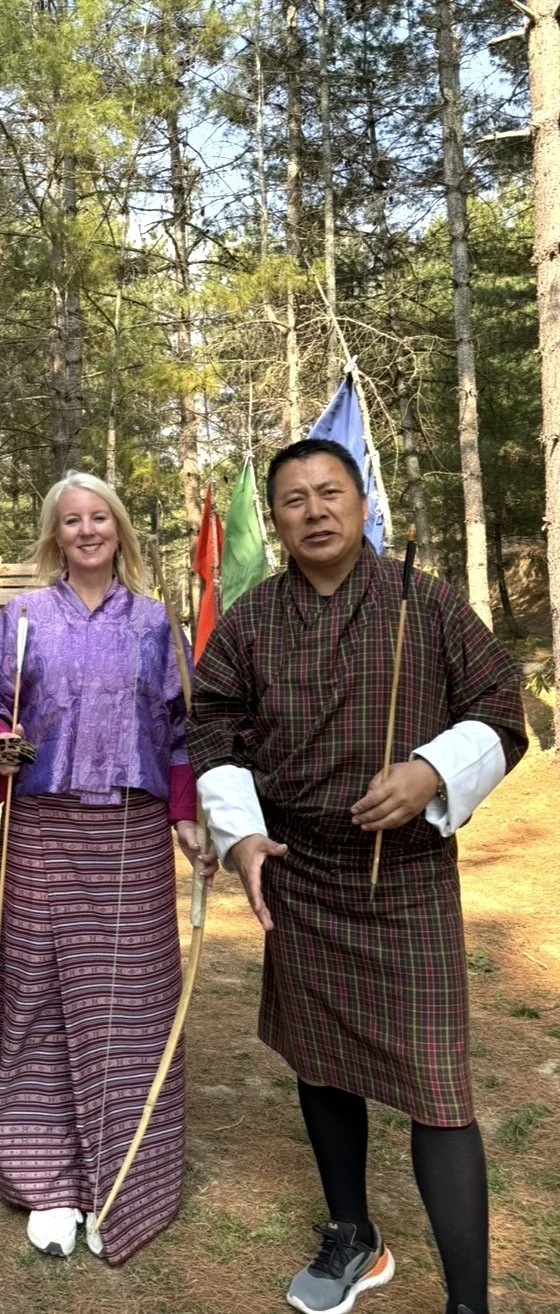
• Archery
• Traditional flag making
• Visiting Buddha Dordenma
• Evening monastery prayers
• Astrology reading
• Staying at four unique Six Senses lodges
Suggested 9-Day Bhutan Itinerary
Day 1: Arrive in Thimphu, Buddha Dordenma, Tashichho Dzong, welcome dinner.
Day 2: Museums, handicrafts, astrology reading, scenic hike with picnic.
Day 3: Drive to Gangtey, Crane Center, Nature Trail, spa.
Day 4: Hiking, monastery visits, village exploration, mountain biking, traditional dinner.
Day 5: Drive to Punakha, Fertility Temple, meditation, valley hikes.
Day 6: Breakfast hike, rafting, suspension bridge, spa.
Day 7: Transfer to Paro, farmhouse lunch, archery, traditional crafts.
Day 8: Full day Tiger's Nest hike with picnic and spa recovery.
Day 9: Morning meditation before departing Bhutan.
Is Bhutan Worth Visiting?
Absolutely.
Bhutan isn't about checking famous landmarks off a list. It's about slowing down. The combination of dramatic Himalayan scenery, deeply rooted Buddhist traditions, luxurious Six Senses lodges, unforgettable hiking, and exceptional wellness experiences creates one of the most rewarding luxury travel experiences we've ever had.
If you have the opportunity, the multi-lodge Six Senses journey is one of the finest ways to experience Bhutan. Each valley reveals a different side of the country, and together they create an immersive journey unlike anywhere else in the world.
Best Time to Visit Bhutan
Bhutan is a year-round destination, but the best time to visit depends on what you want to experience.
Spring (March-May)
Spring is considered one of the best seasons to visit Bhutan. Hillsides come alive with blooming rhododendrons, mountain temperatures are comfortable, and hiking conditions are excellent. This is also festival season, with colorful Buddhist celebrations taking place throughout the country.
Best for: Hiking, photography, festivals, and pleasant weather.
Summer (June–August)
Summer brings the annual monsoon. Rain is more common in southern Bhutan, while higher elevations remain cooler. Landscapes become incredibly lush, and visitor numbers drop.
Best for: Green scenery, fewer tourists, and lower accommodation availability concerns.
Autumn (September–November)
Autumn offers crystal-clear mountain views and stable weather, making it another ideal time to visit. The Himalayan peaks are often visible, and conditions are perfect for trekking.
Best for: Tiger's Nest, photography, luxury travel, and outdoor activities.
Winter (December–February)
Winter is colder, especially in higher elevations, but skies are often beautifully clear. This is also when the endangered black-necked cranes migrate to the Gangtey Valley, making it one of the country's premier wildlife experiences.
Best for: Birdwatching, peaceful travel, and crisp mountain views.
How Much Does a Trip to Bhutan Cost?
Bhutan is one of Asia's more expensive destinations, but the experience is unlike anywhere else. Visitors pay a government Sustainable Development Fee (SDF), which supports conservation, healthcare, education, and cultural preservation.
Luxury travelers should expect to spend considerably more than in neighboring countries, particularly when staying at world class resorts like Six Senses. However, the high cost comes with uncrowded attractions, exceptional service, and access to experiences that would be difficult to replicate elsewhere.
A luxury itinerary including premium accommodations, guided excursions, wellness experiences, and private transportation can easily exceed several thousand dollars per person, but many travelers find the exclusivity and authenticity well worth the investment.
What to Pack for Bhutan
Bhutan's elevation changes dramatically throughout the country, so packing layers is essential.
We recommend bringing:
Comfortable hiking boots with good traction
Lightweight hiking pants
Moisture-wicking shirts
Fleece or insulated jacket for cool mornings
Waterproof rain jacket
Hat and sunglasses
Sunscreen and lip balm
Daypack for hikes
Reusable water bottle
Camera with extra batteries
Power adapter
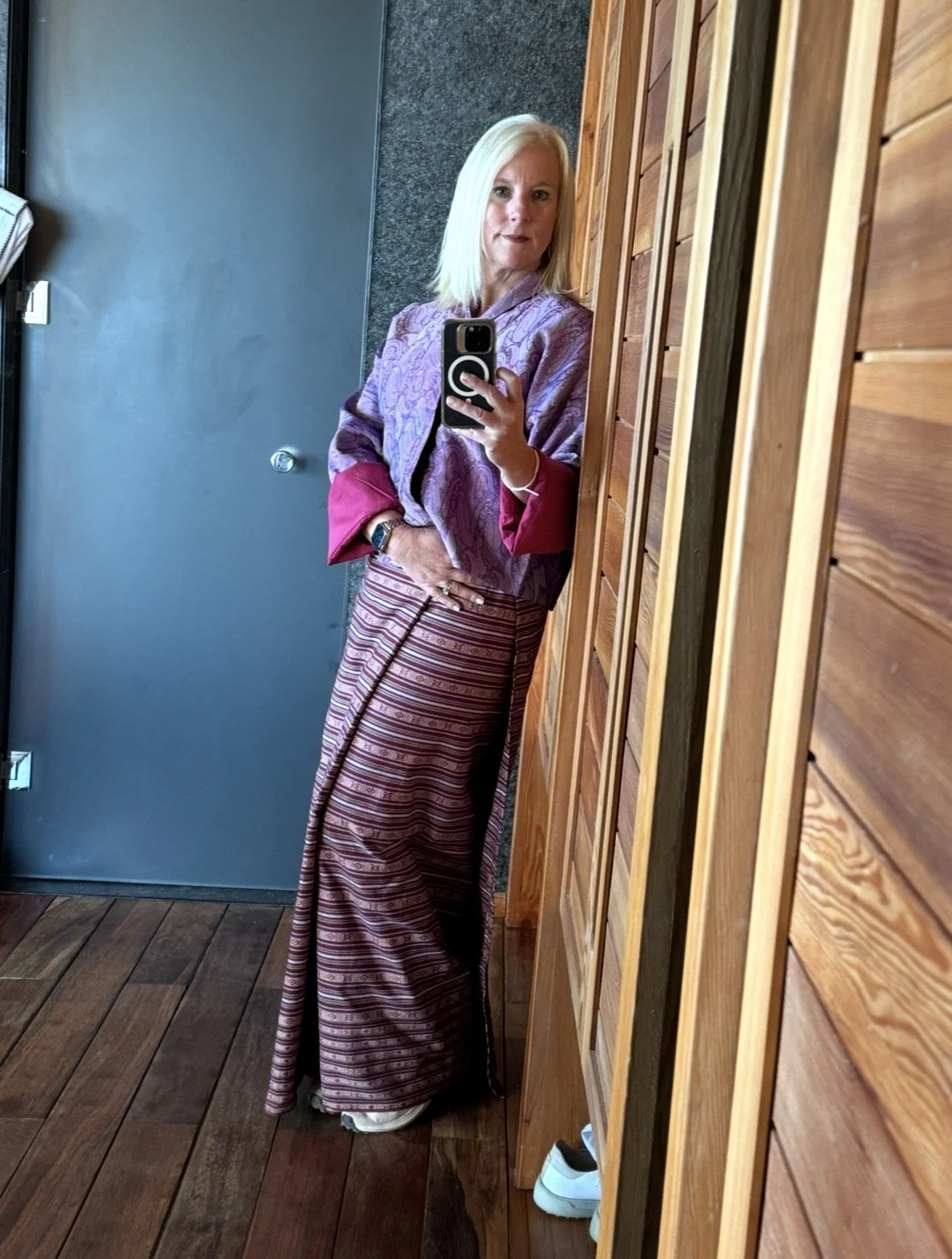
Modest clothing for monastery visits that covers shoulders and knees
If you're hiking Tiger's Nest, trekking poles can also be helpful on the descent. Six Senses will provide.
PENANG Guide

JAPAN Guide

BANGKOK Guide

SINGAPORE Guide
Frequently Asked Questions About Visiting Bhutan
Do I need a visa to visit Bhutan?
Most international visitors require a visa, which is typically arranged through your tour operator before arrival.
Is Bhutan safe?
Yes. Bhutan is considered one of the safest countries in Asia, with extremely low crime rates and welcoming locals.
Can you visit Bhutan independently?
No, you must book through a licensed Bhutanese tour operator or travel advisor, who can also arrange accommodations, transportation, permits, and guides.
How difficult is the Tiger's Nest hike?
The hike is considered moderate. Expect approximately 4 to 5 hours round trip with significant elevation gain. Anyone with reasonable fitness should be able to complete it by taking their time.
Is altitude a concern?
Most travelers experience little difficulty, but some areas exceed 10,000 feet. Stay hydrated, avoid overexertion on your first day, and allow time to acclimate.
Is English widely spoken?
Yes. English is taught in schools and is commonly spoken in hotels, restaurants, and by licensed guides.
What currency is used?
Bhutan uses the Ngultrum (BTN), although Indian Rupees are also widely accepted. Credit cards are accepted at many luxury hotels but cash is recommended for shopping and smaller businesses.
Can I use my phone and Wi-Fi?
Wi-Fi is available at most luxury hotels, including all Six Senses lodges. Mobile coverage is generally good in towns but can be limited in remote mountain areas.
How many days should I spend in Bhutan?
We recommend at least 8 to 10 days. This allows enough time to experience Thimphu, Punakha, Gangtey, and Paro without feeling rushed while enjoying Bhutan's slower pace of travel.
Our Bhutan Route
One of the highlights of our journey was experiencing several distinct valleys rather than staying in a single location.
Our route:
Paro → Thimphu → Gangtey → Punakha → Paro
Each destination offers a completely different landscape, climate, culture, and set of experiences, from the bustling capital and peaceful pine forests to fertile river valleys and Bhutan's most iconic monastery. Staying at four different Six Senses lodges made the transitions part of the adventure, with each property showcasing a unique side of the country.