Quito, Ecuador: A Guide to the Historic Center,Equator & Culinary Scene
Perched at 9,350 feet (2,850 meters) in the Andes Mountains, Quito combines one of South America's best preserved historic centers with innovative dining, vibrant neighborhoods, and stunning mountain scenery. Ecuador's capital is often viewed as a gateway to the Galápagos Islands, but the city deserves several days of exploration in its own right.
Things to Do in Quito
Ciudad Mitad del Mundo
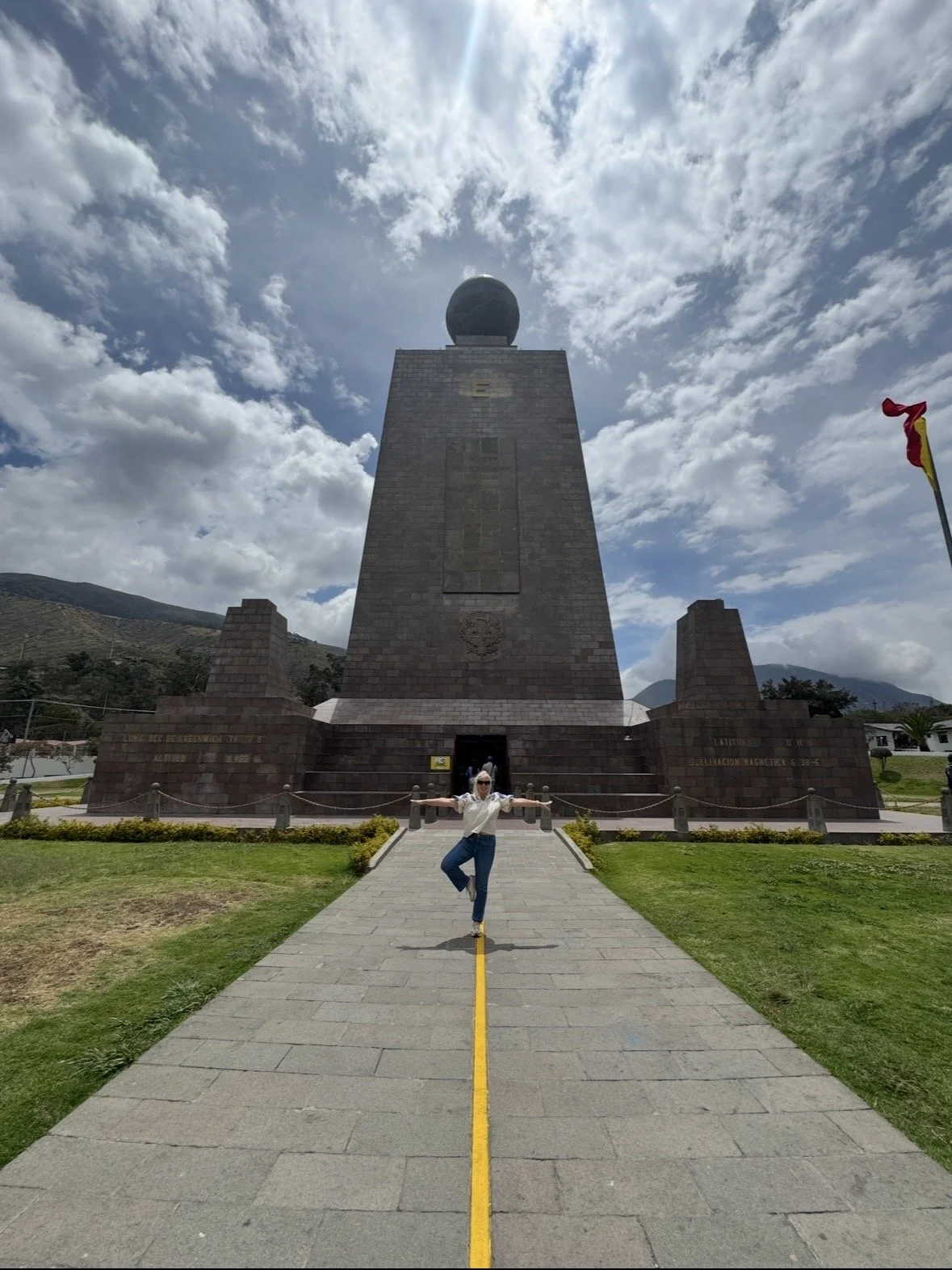
Located just north of Quito, Ciudad Mitad del Mundo marks the equatorial line and celebrates Ecuador's unique geographic position. Visitors can stand with one foot in each hemisphere, explore exhibits about Ecuador's culture and biodiversity, and learn about the scientific expeditions that helped identify the equator.
Rumipamba Archaeological Park
This often overlooked archaeological site preserves evidence of pre-Columbian settlements dating back thousands of years. Walking trails wind through excavation areas, ancient dwellings, and green spaces that provide a fascinating glimpse into Quito's earliest inhabitants.
Basilica del Voto Nacional
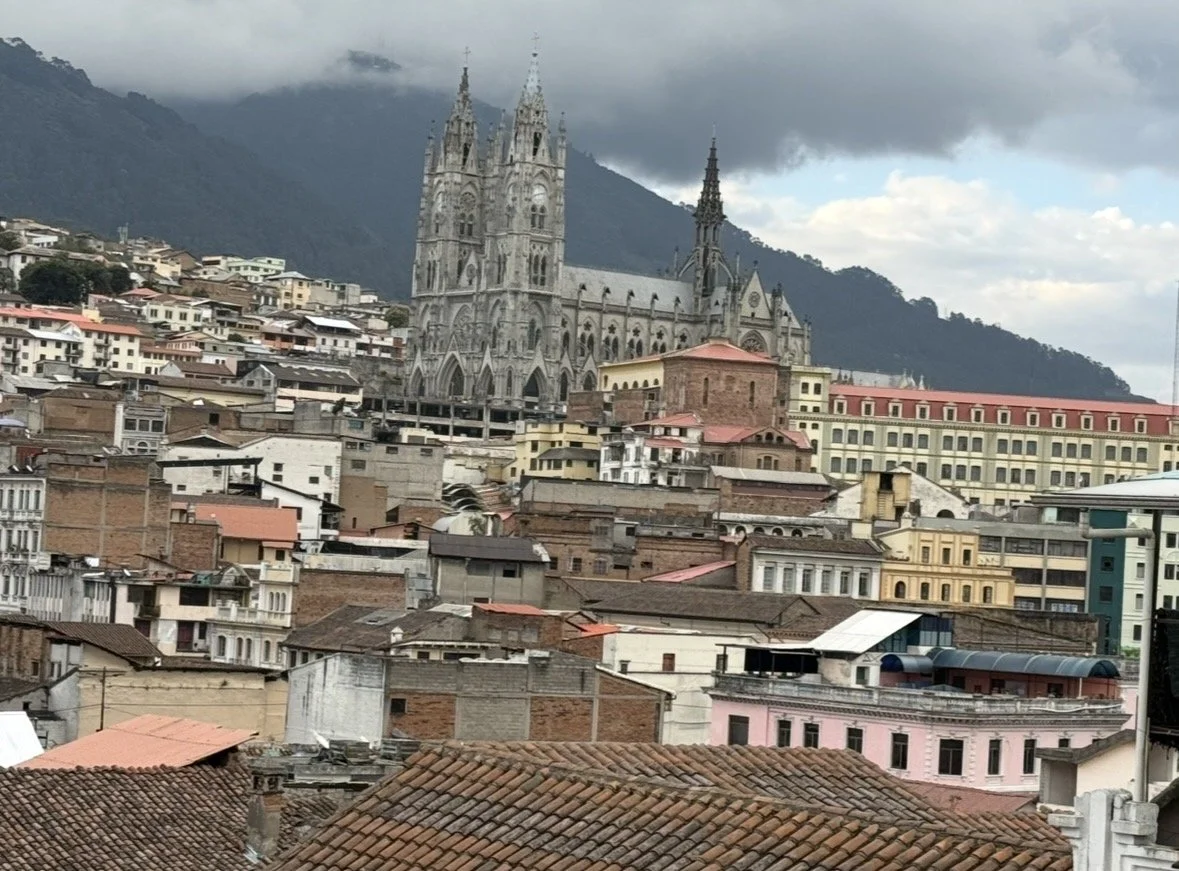
One of Quito's most recognizable landmarks, the Basilica del Voto Nacional is the largest neo-Gothic church in the Americas. Unlike traditional European cathedrals, its gargoyles depict Ecuadorian wildlife including iguanas, tortoises, and condors. Adventurous visitors can climb the towers for panoramic views across the city.
Quito's Historic Center
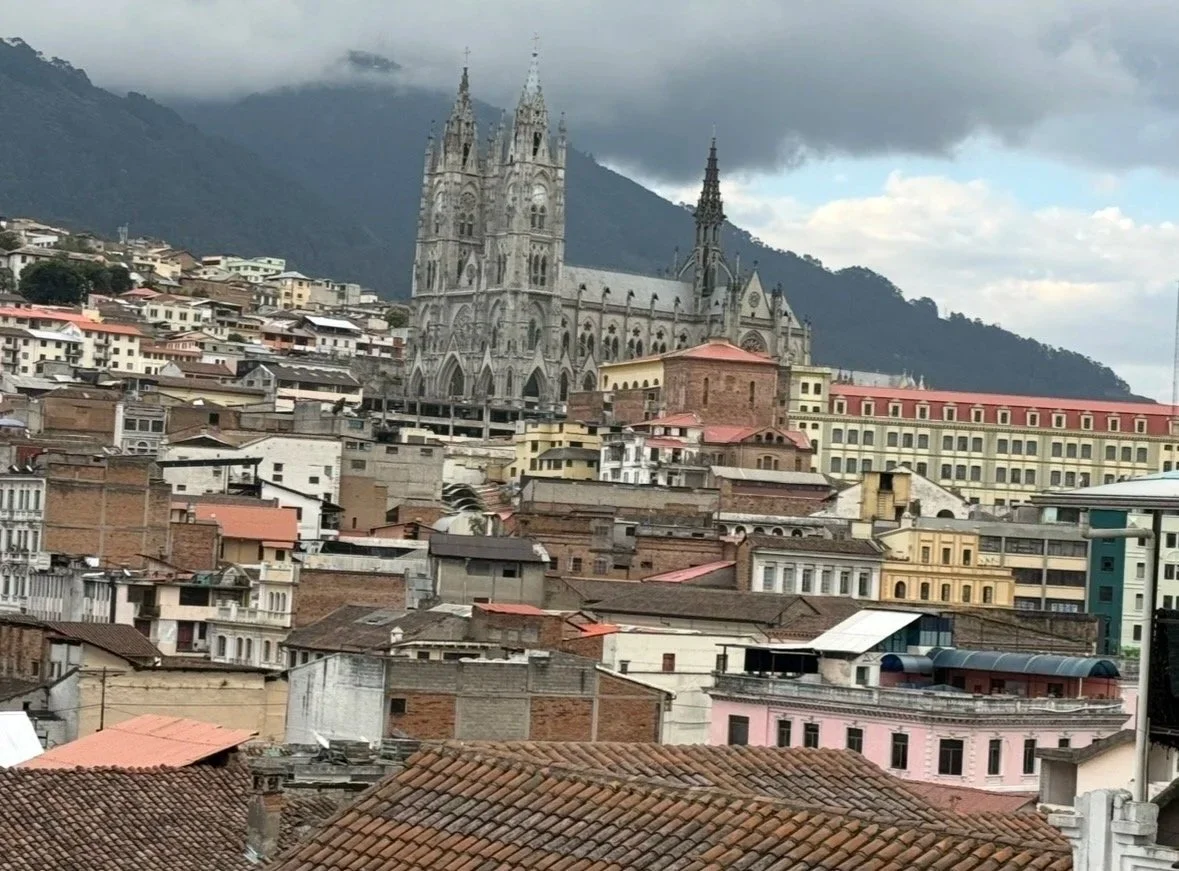
Designated as one of UNESCO's first World Heritage Sites in 1978, Quito's historic center contains hundreds of preserved colonial buildings, churches, monasteries, and public squares spread across one of the largest historic districts in the Americas.
Plaza Grande
Church of the Society of Jesus (La Compañía de Jesús)
San Francisco Plaza
Museo Franciscano Fray Pedro Gocial
The district's ornate churches, cobblestone streets, and beautifully preserved architecture showcase centuries of Ecuadorian history.
Calle La Ronda
One of Quito's oldest streets, La Ronda is lined with artisan workshops, galleries, cafés, and traditional restaurants. It is particularly lively in the evening and provides an excellent opportunity to experience local culture and craftsmanship.
TelefériQo
For spectacular views, ride the TelefériQo cable car high above the city to nearly 13,500 feet (4,100 meters). On exceptionally clear days, visitors can see Cotopaxi, Cayambe, Antisana, and other Andean volcanoes from the summit. Short hiking trails begin at the upper station for those wishing to explore further.
Quito's Vibrant Neighborhoods
La Floresta
La Floresta has emerged as one of Quito's most creative districts. Filled with street art, independent cafés, galleries, and boutique shops, it offers a more contemporary side of the city beyond the colonial center.
Trude Sojka Museum
Located in La Floresta, this small museum showcases the work of Trude Sojka, a Holocaust survivor who became one of Ecuador's most respected artists. Her sculptures and mixed-media works provide insight into both Ecuadorian art and her remarkable personal story.
Where to Eat in Quito
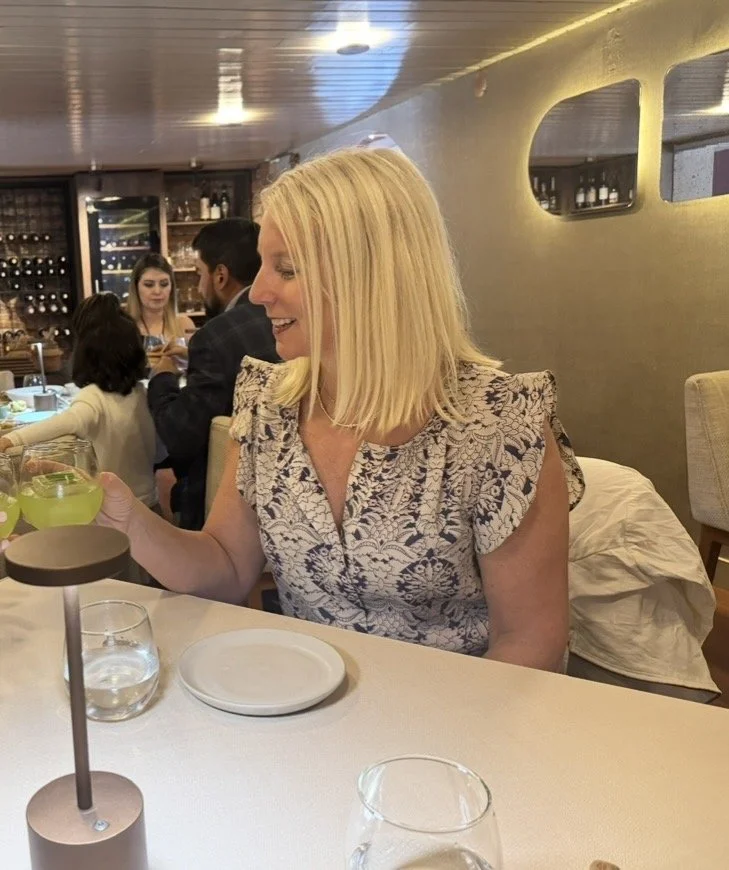
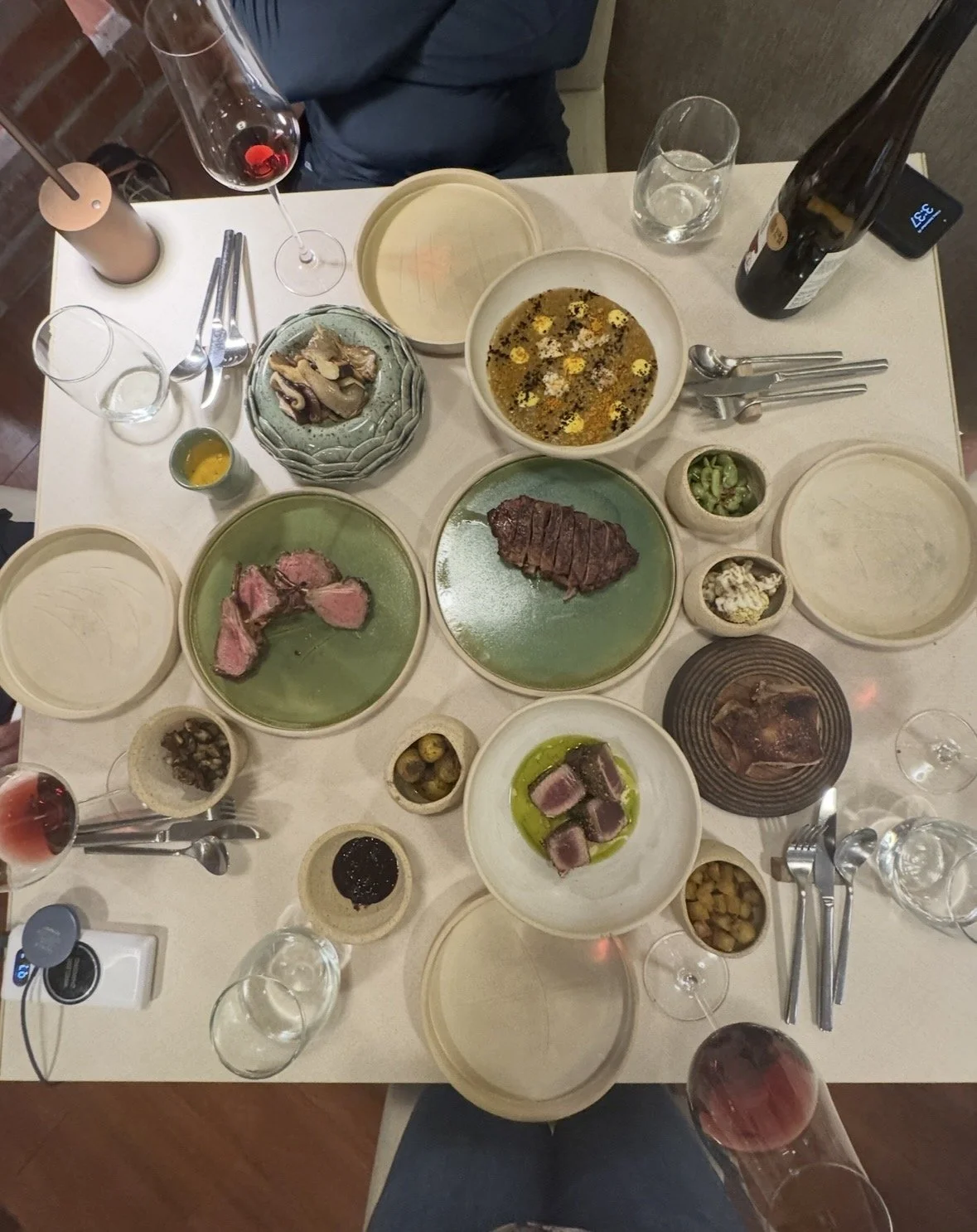
Quitu
Chef driven and focused on Ecuador's diverse ingredients, Quitu highlights products sourced from the coast, Andes, Amazon, and Galápagos. The restaurant has become one of Quito's most exciting culinary destinations for travelers seeking a deeper understanding of Ecuadorian cuisine.
Nuema
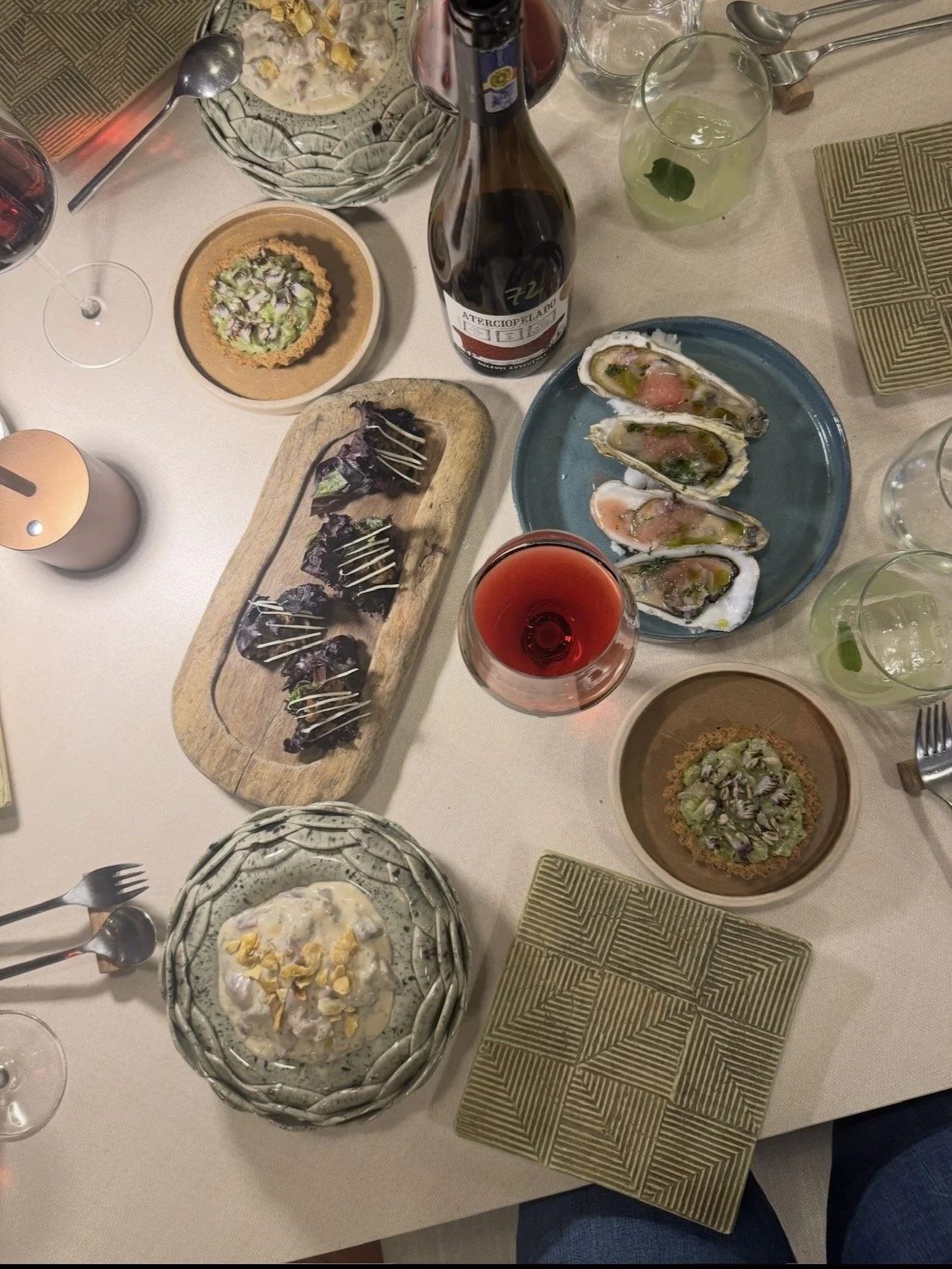
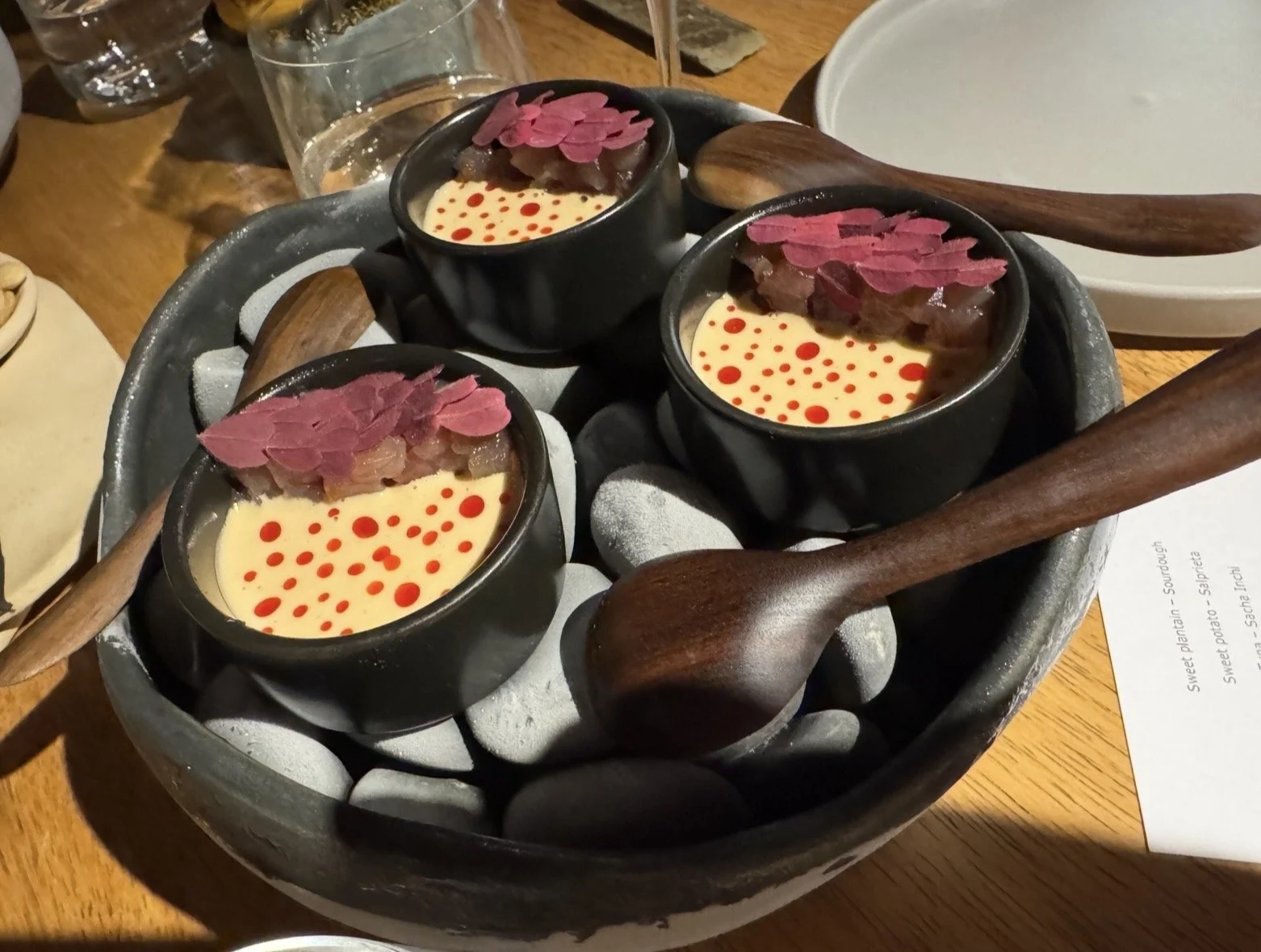
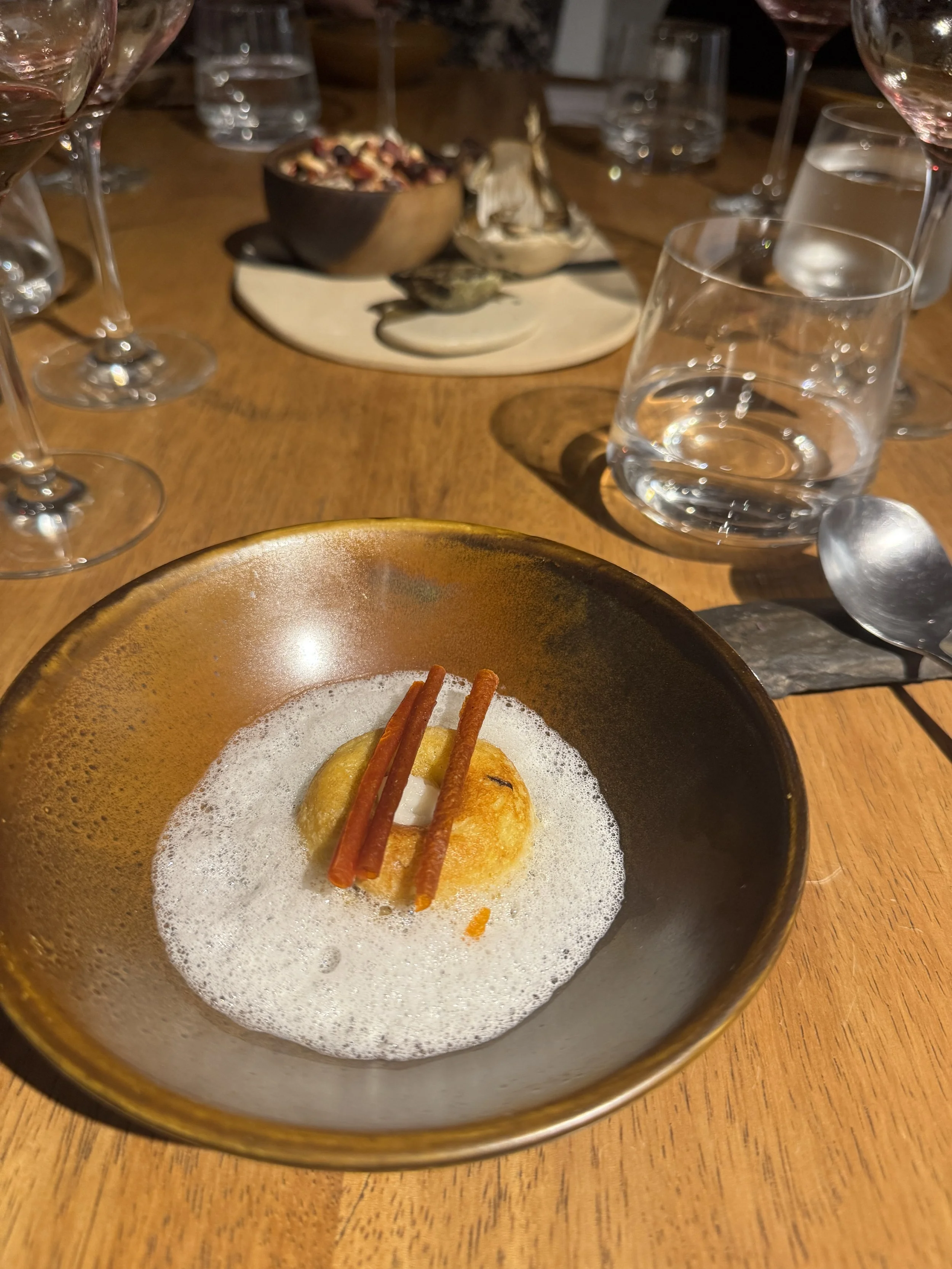
Consistently ranked among South America's top restaurants, Nuema offers a modern tasting menu experience that celebrates Ecuador's biodiversity and culinary traditions through innovative techniques and locally sourced ingredients.
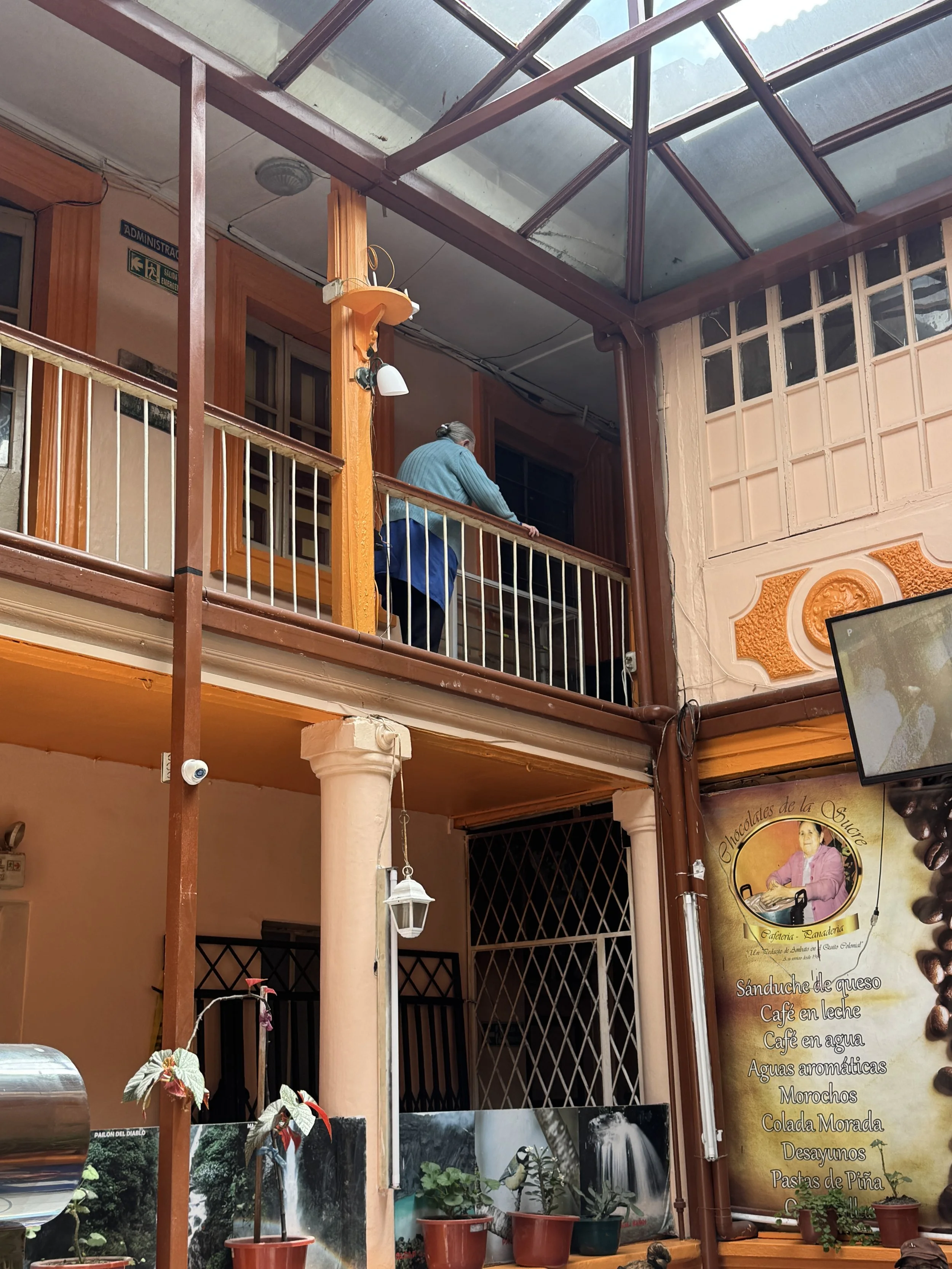
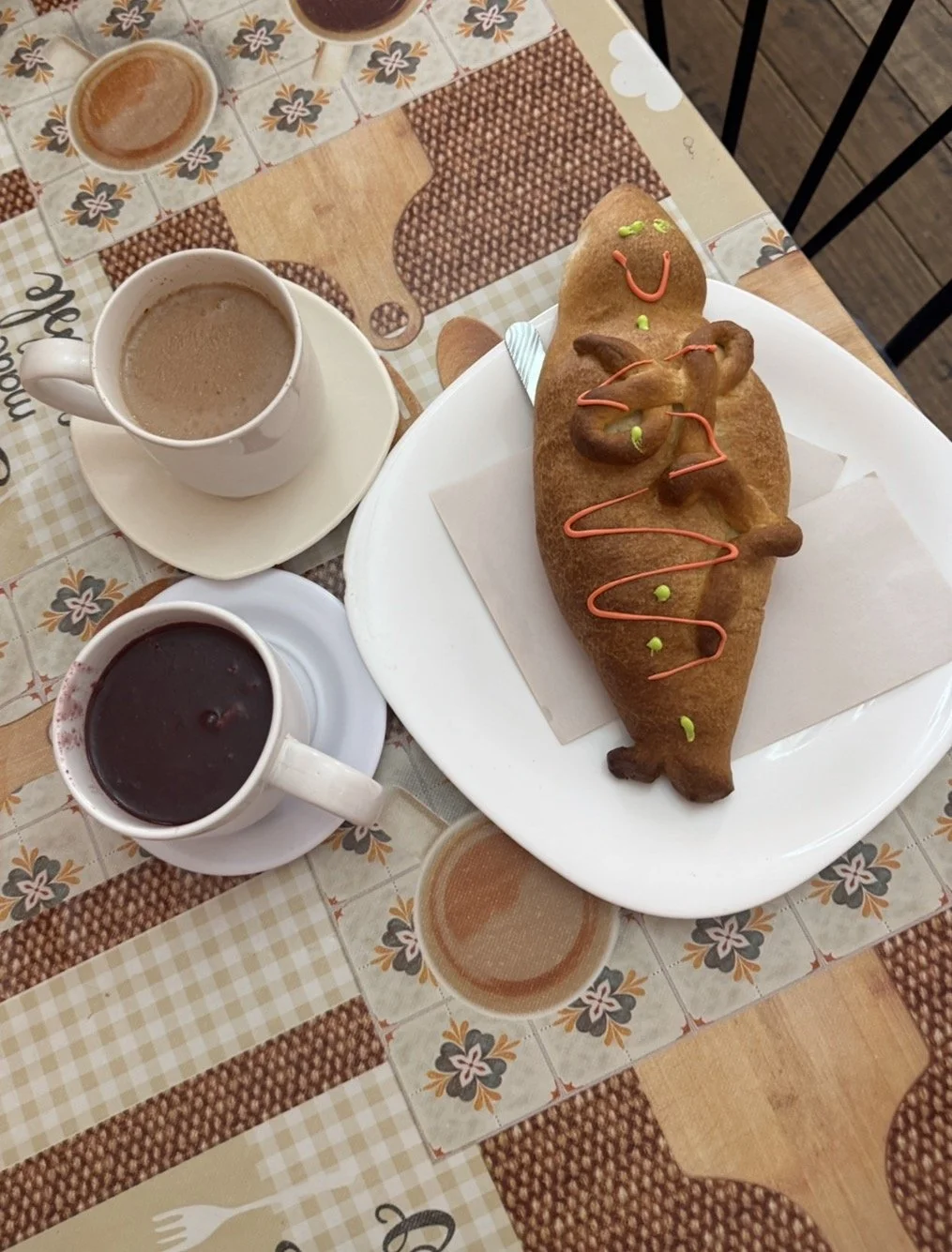
Chocolate de la Abuela
A favorite stop in Quito's historic center, Chocolate de la Abuela is known for its traditional hot chocolate and freshly baked Pan de Ambato. The cozy courtyard café offers a taste of traditional Ecuadorian pastries and drinking chocolate and provides a welcome break while exploring the city's colonial architecture and cultural landmarks.
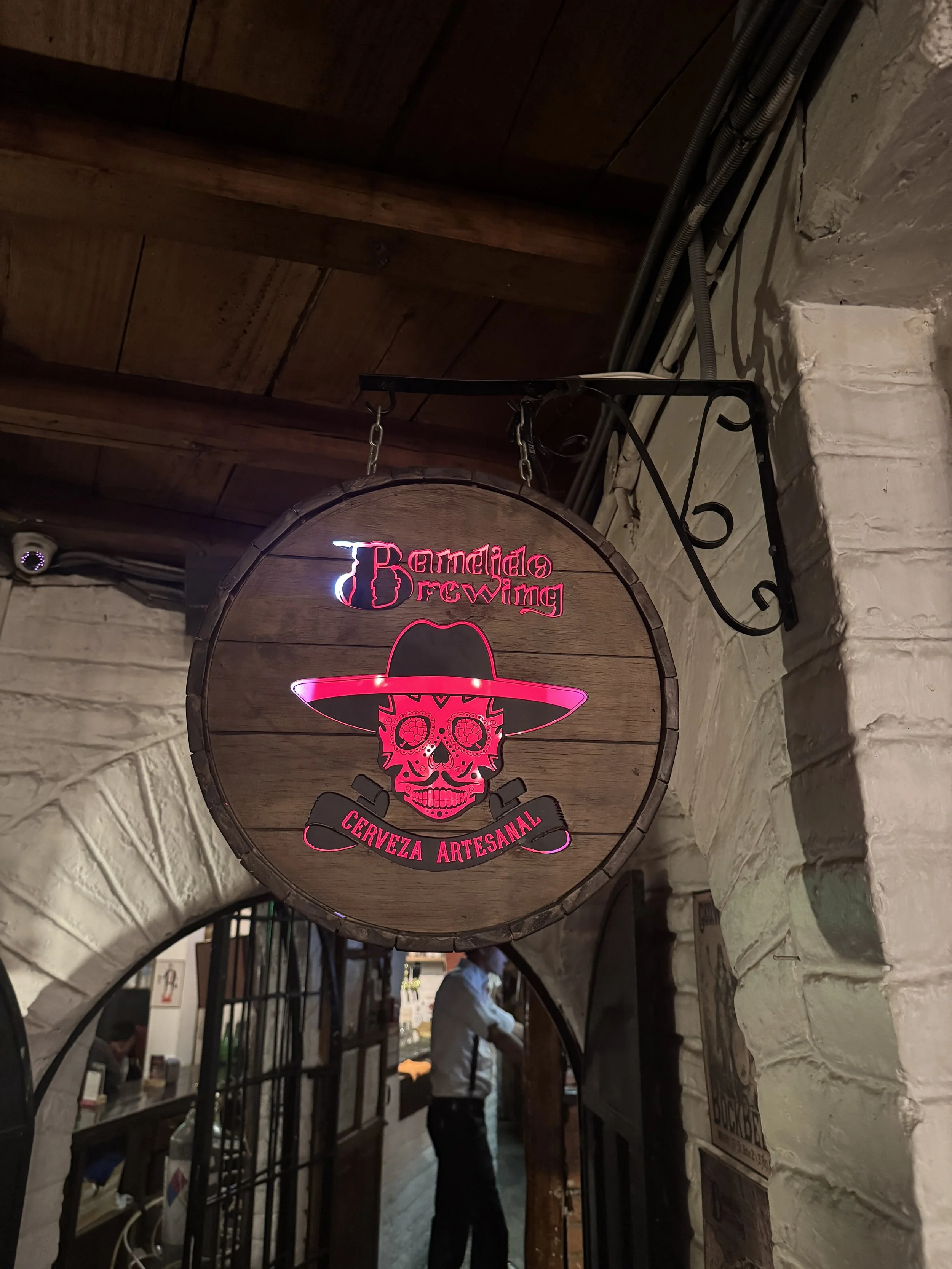
Bandido Brewing
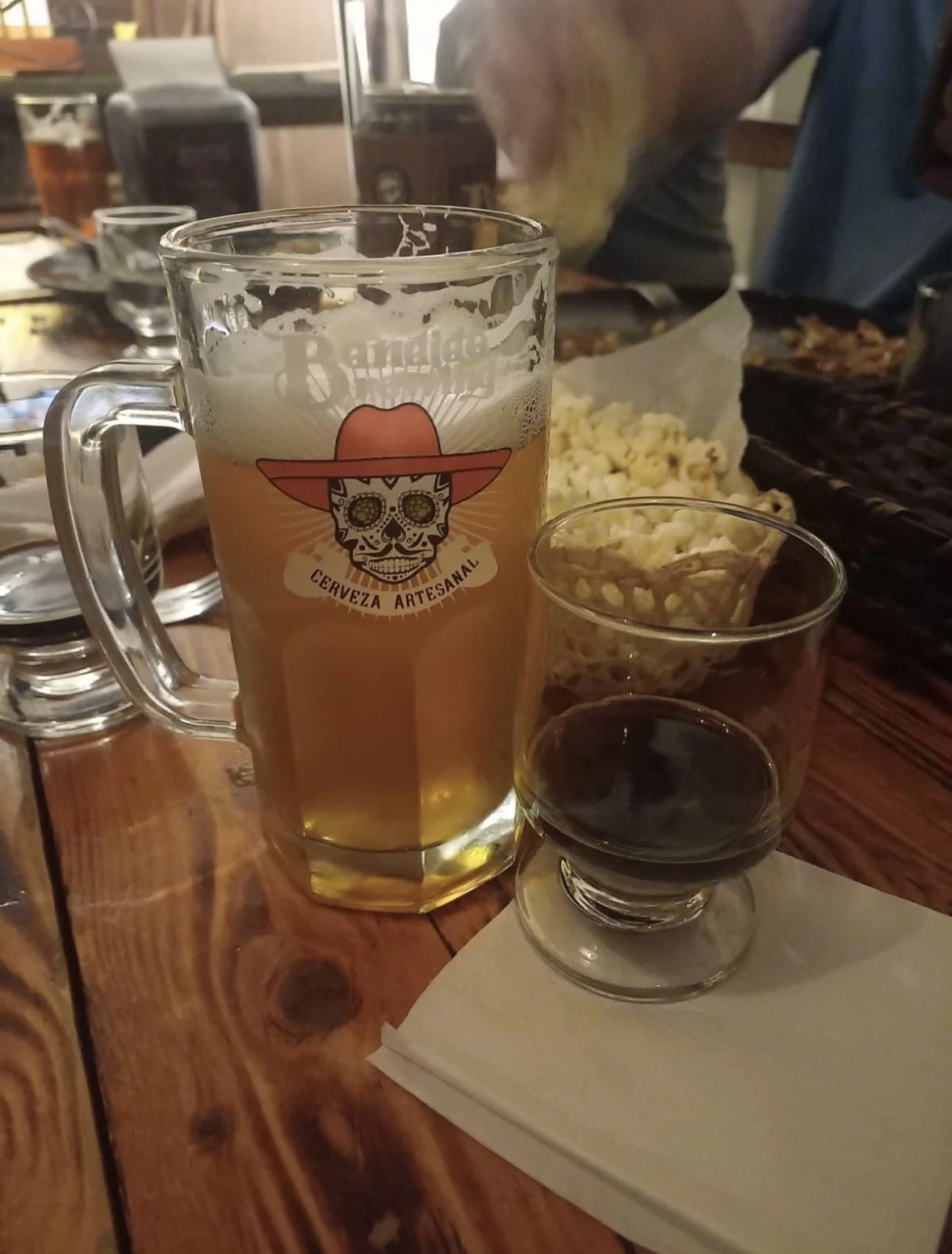
Bandido Brewing is one of Quito's best-known craft breweries, serving a rotating selection of Ecuadorian made beers ranging from crisp lagers to hop forward IPAs. The brewery has multiple locations throughout the city, one location incorporates a restored chapel space, creating one of Quito's most unique brewery settings.
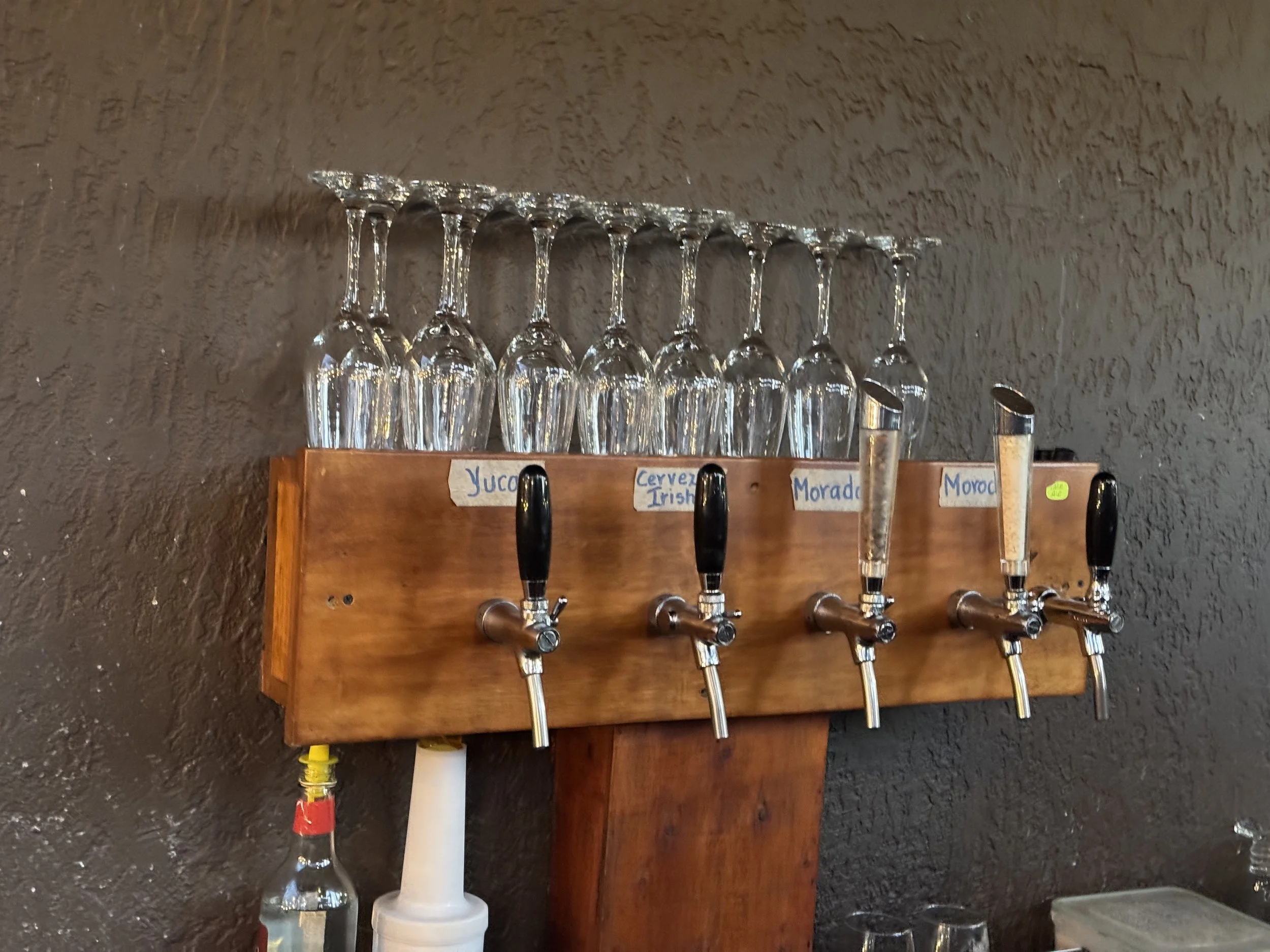
Sereno Moreno Bar
Located in Quito's historic center, Sereno Moreno combines craft beer with local Ecuadorian flavors and ingredients. The brewery offers a relaxed setting for sampling house-made beers while exploring the city's colonial streets and vibrant culinary scene.

Where to Stay in Quito
JW Marriott Quito
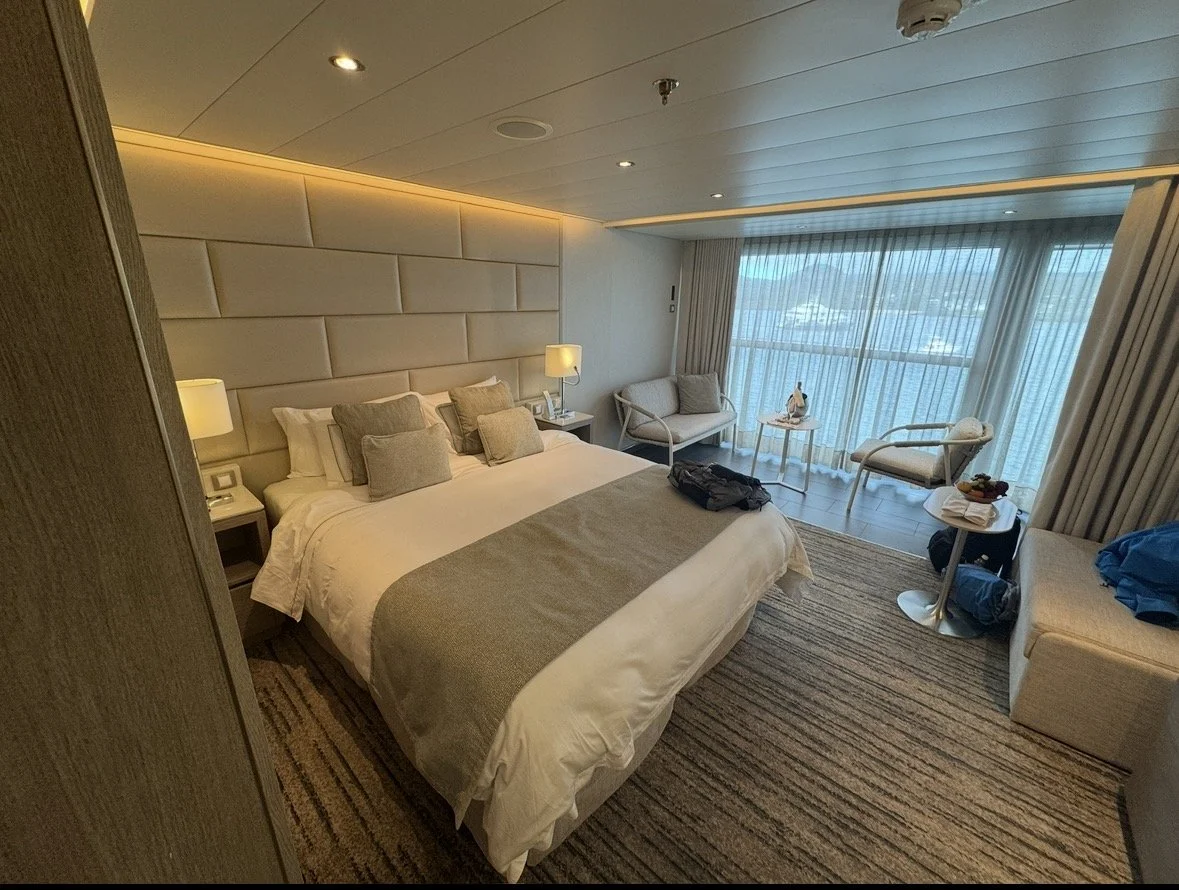
For most travelers, the JW Marriott Quito offers the best combination of comfort, location, amenities, and value. Located between the financial district and the historic center, the hotel provides easy access to Quito's major attractions while offering a resort-like atmosphere in the heart of the city.
Highlights include:
Spacious rooms with Andes and city views
Large outdoor pool and gardens
Multiple restaurants and bars
Executive lounge for Marriott Bonvoy elites
Convenient location for exploring both Centro Histórico and La Floresta
Reliable transportation access to the airport and major attractions
The JW Marriott is particularly well suited for visitors planning several days in Quito before continuing to the Galápagos Islands.
Suggested Two-Day Quito Itinerary
Day One
Visit Ciudad Mitad del Mundo
Explore Rumipamba Archaeological Park
Tour Basilica del Voto Nacional
Coffee break at Isveglio Café
Lunch at Andes Brewing Company
Explore Quito's Historic Center
Walk through Plaza Grande and La Ronda
Dinner at Nuema
Day Two
Ride the TelefériQo
Scenic walk at the summit
Lunch at Quitu
Explore La Floresta
Visit the Trude Sojka Museum
Enjoy dinner and drinks in one of Quito's creative neighborhoods
Why Visit Quito?
Quito offers a unique combination of colonial history, Andean landscapes, and one of South America's most exciting food scenes. Whether you're exploring centuries old churches, riding a cable car above the city, or dining at acclaimed restaurants such as Nuema and Quitu, Ecuador's capital rewards travelers with experiences that extend far beyond a typical stopover.
Lima Guide
Cape Town Guide

Galapagos- Silversea Origin
FAQ
How many days should you spend in Quito?
Most travelers should spend 2-3 days exploring Quito before continuing to the Galápagos Islands.
Is Quito worth visiting before the Galápagos?
Yes. Quito offers one of South America's best preserved historic centers, excellent dining, and mountain scenery.
What is the best area to stay in Quito?
The JW Marriott area near La Floresta offers convenient access to both the historic center and modern neighborhoods.
What is Quito known for?
Quito is known for its UNESCO-listed historic center, equatorial location, Andean mountain setting, and growing culinary scene.
Can you visit the equator in Quito?
Yes. Ciudad Mitad del Mundo is located just outside the city and marks Ecuador's famous equatorial line.
What are the best restaurants in Quito?
Nuema and Quitu are among the city's most acclaimed restaurants.