Kyoto Luxury & Cultural Guide
Refinement, Ritual & Intentional Travel
Kyoto is not Tokyo’s quieter sibling.
It’s Japan distilled.
Wood and stone.
Temple bells at dawn.
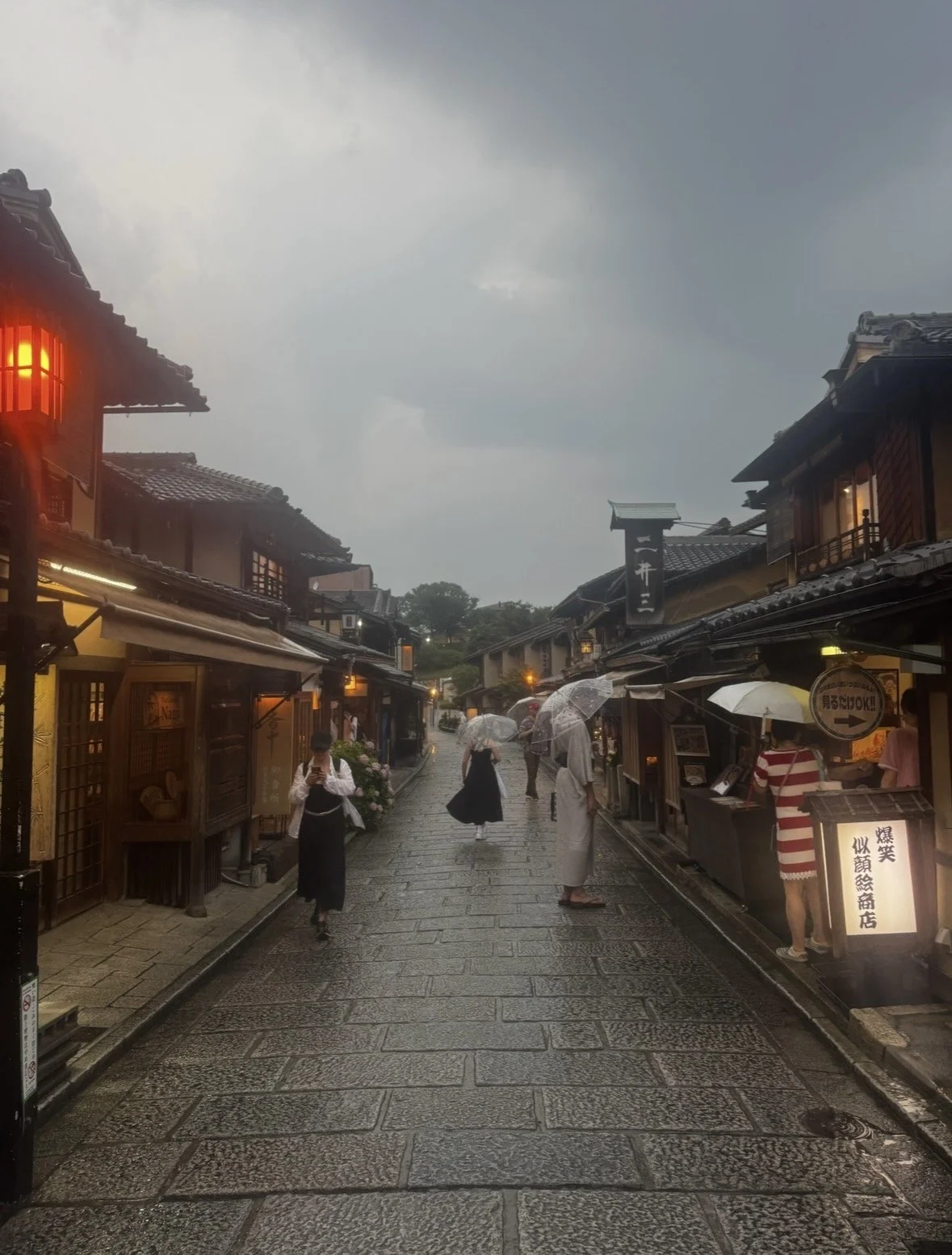
Lantern-lit streets in Higashiyama.
Moments that reward early mornings.
If Tokyo is energy, Kyoto is intention.
Where to Stay in Kyoto
Park Hyatt Kyoto Review – Understated Masterpiece
Neighborhood: Higashiyama
Vibe: Architectural harmony, quiet luxury
Best For: Hyatt Globalists, design lovers, early risers
What makes it exceptional:
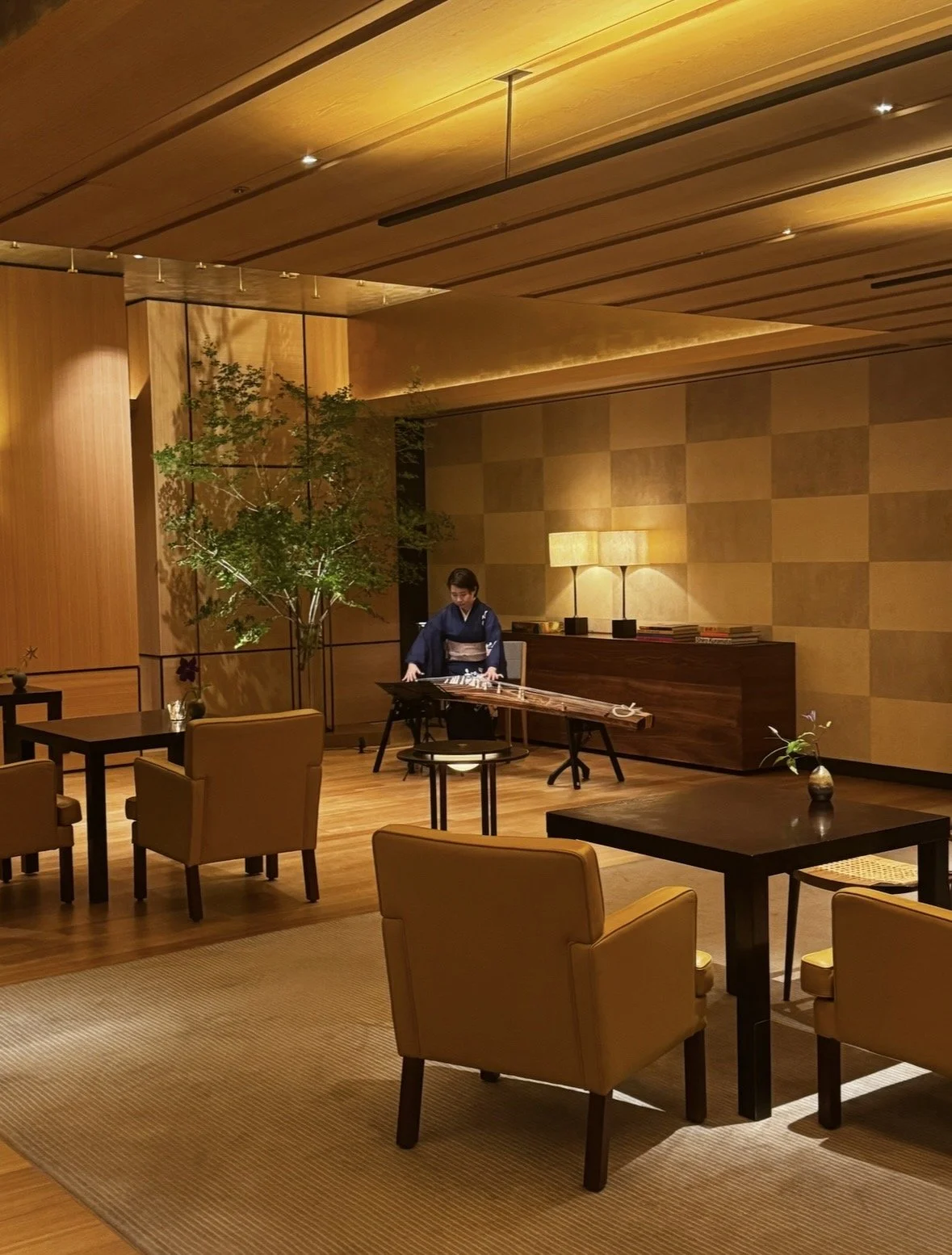
Seamlessly integrated into historic streets
Walking distance to Kiyomizu-dera
Views of Yasaka Pagoda
One of the most refined breakfast experiences in Japan
Calm courtyard spaces that feel almost private

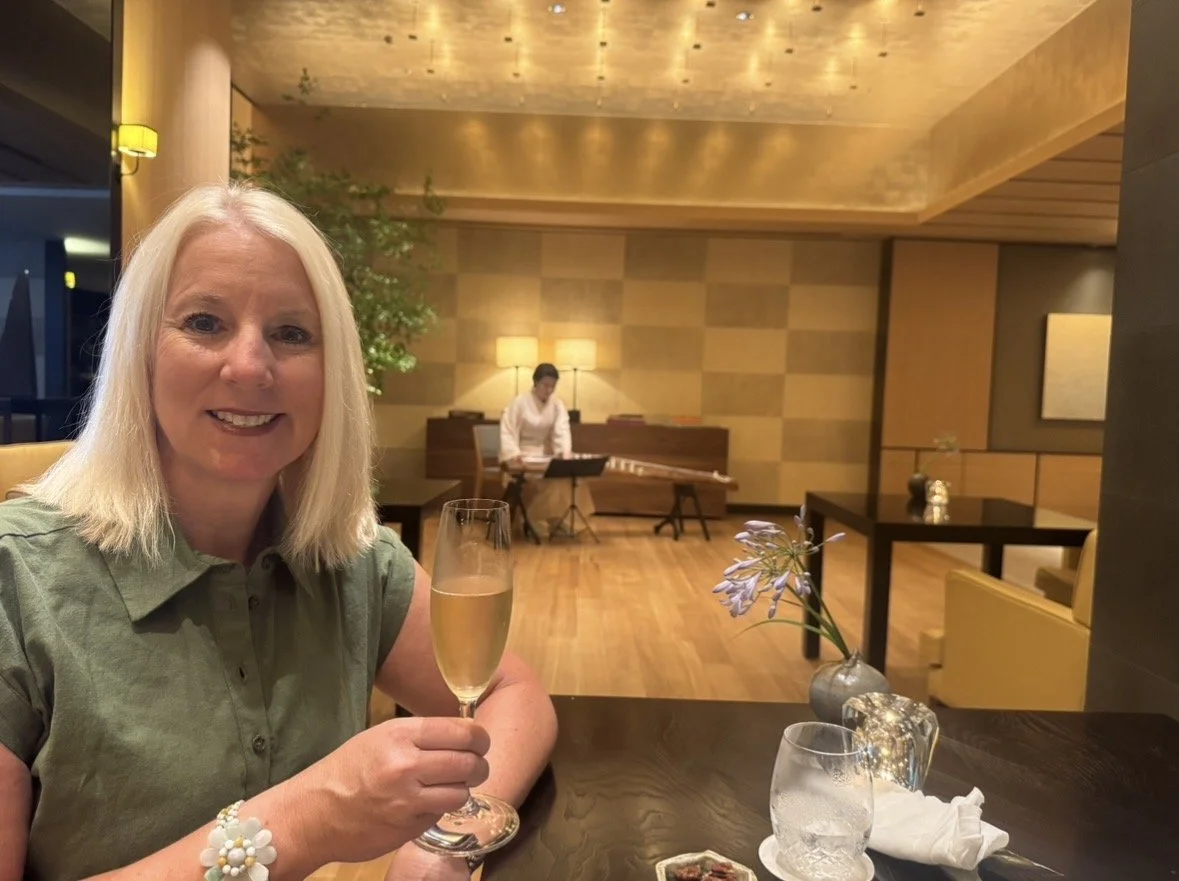
This isn’t flashy luxury.
It’s controlled, respectful, perfectly placed.
For loyalty travelers, it’s one of the strongest redemptions in Asia.
Why Higashiyama Is the Move
Staying in Higashiyama changes Kyoto completely.
You can:
Walk before tour buses arrive
Photograph empty stone streets at sunrise
Visit temples in silence
Return mid-day to reset
Kyoto is best experienced before 9 am and after 6 pm.
Your hotel location matters more here than in Tokyo.
Ideal 3-Day Kyoto Outline
Day 1:
Arrival - Higashiyama stroll - Yasaka Pagoda at sunset - kaiseki dinner
Day 2:
Sunrise temple visit - hotel breakfast - tea ceremony - Gion evening walk
Day 3:
Arashiyama early - return for courtyard rest - final refined dinner
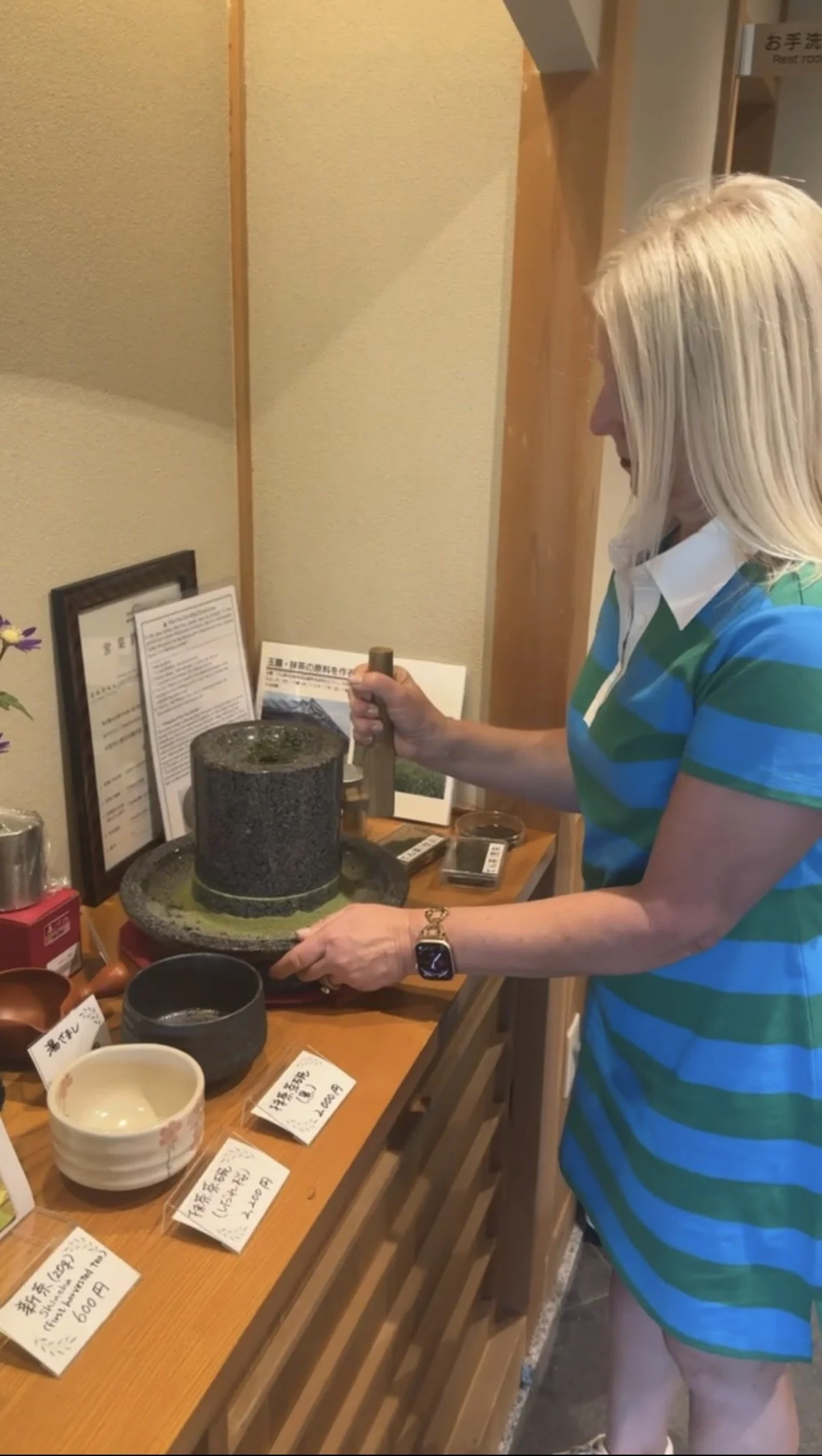
Optional: Day trip to Uji for matcha immersion.
Explore Other Japan Guides
Park Hyatt Kyoto
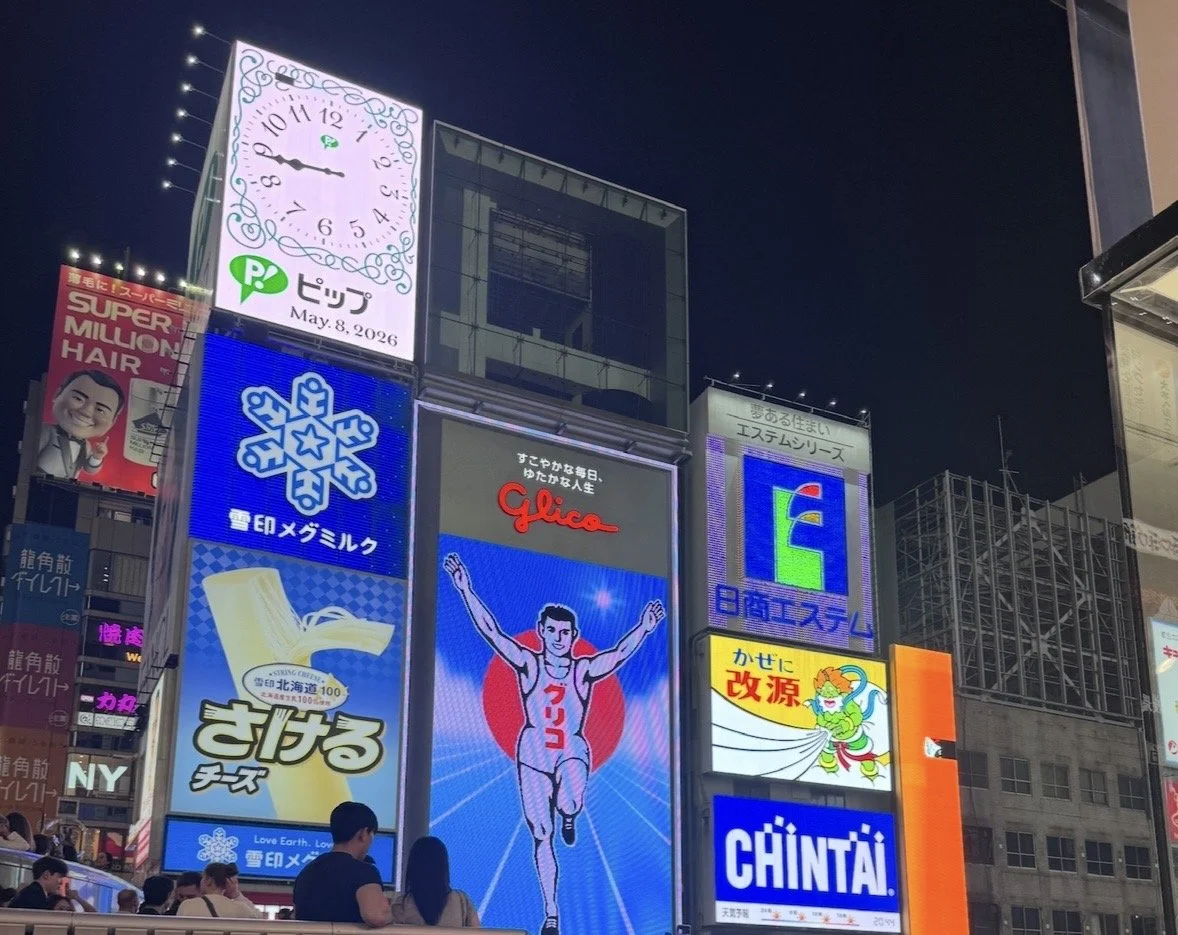
Osaka Guide
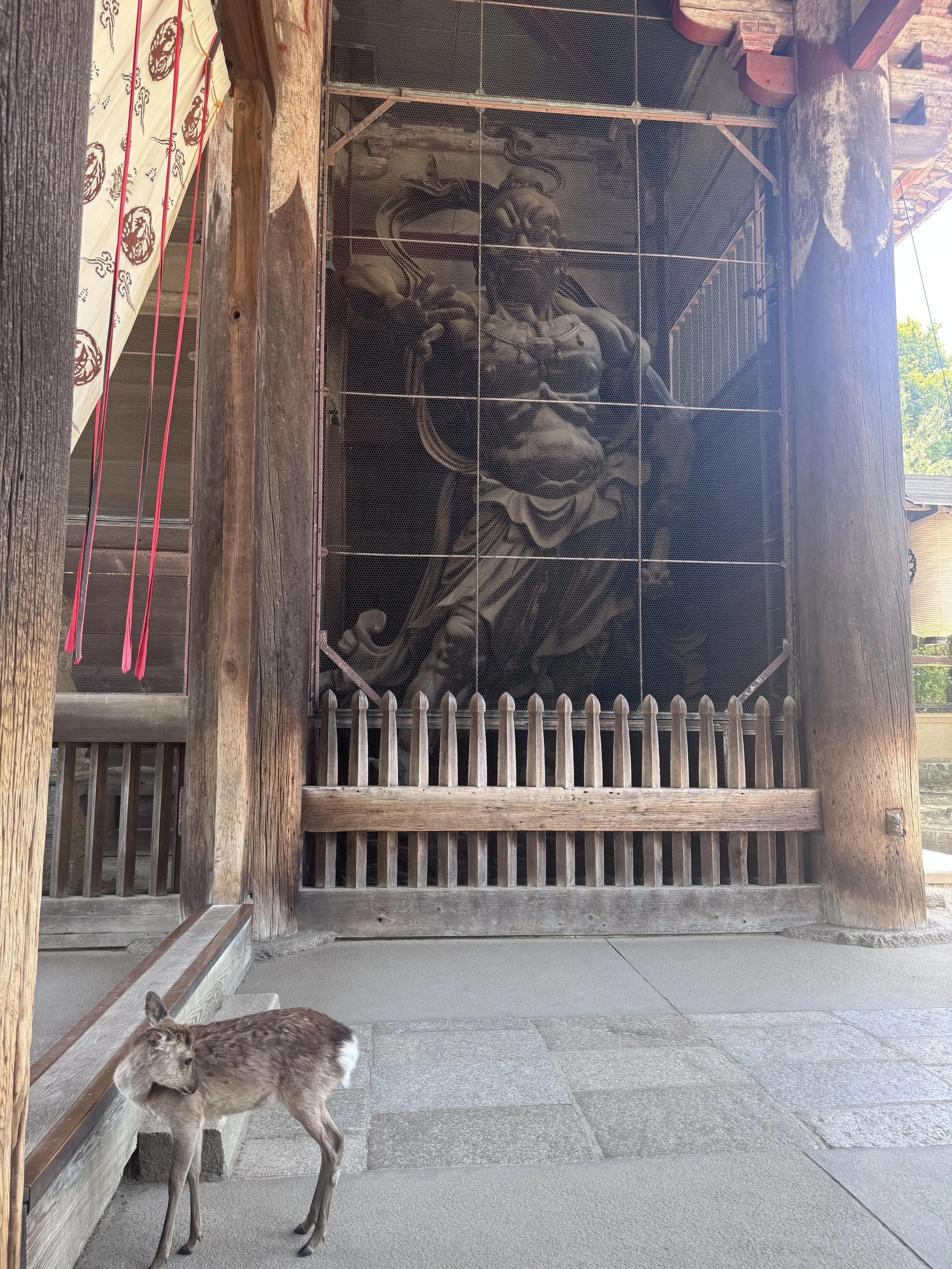
Nara Day trip
Tokyo Guide

Japan Guide
Uji Day trip
Cultural Experiences to Prioritize
Kyoto is about participation, not observation.
Must-Experience Moments:
Early visit to Kiyomizu-dera
Gion evening walk
Tea ceremony in a traditional setting
Bamboo grove (go early)
Kaiseki dinner reservation
Beyond the Temples
Kyoto's famous temples deserve their reputation, but what stays with you isn't a single shrine or pagoda.
It's the quiet walk between them.
The sound of gravel beneath your feet.
A woman practicing koto in a hotel lounge.
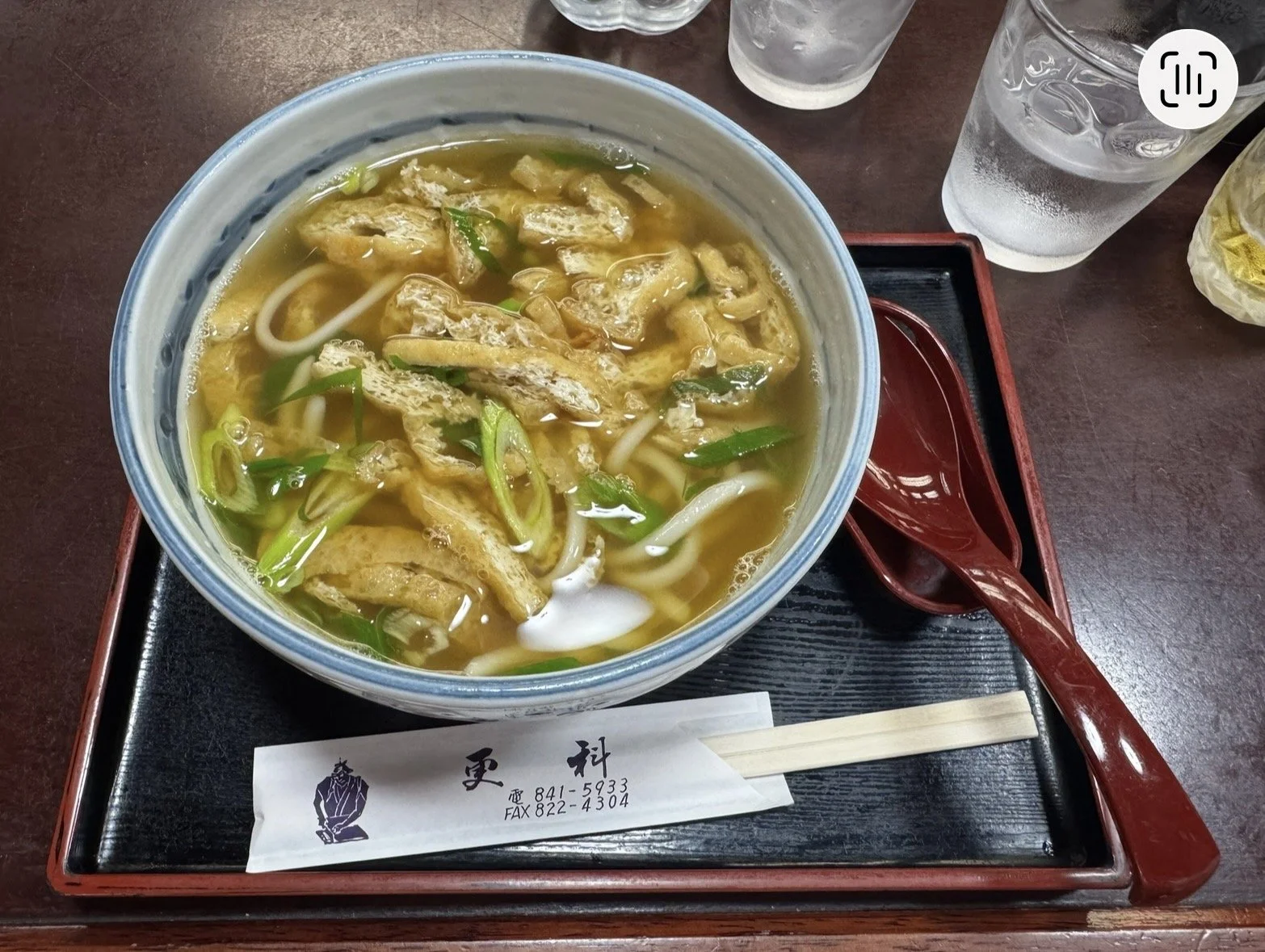
A bowl of steaming udon after wandering hidden neighborhoods.
A cocktail crafted by one of Japan's best bartenders.
Watching the city disappear into evening from Higashiyama.
Kyoto isn't about seeing more.
It's about slowing down enough to notice.
Temples That Left the Biggest Impression
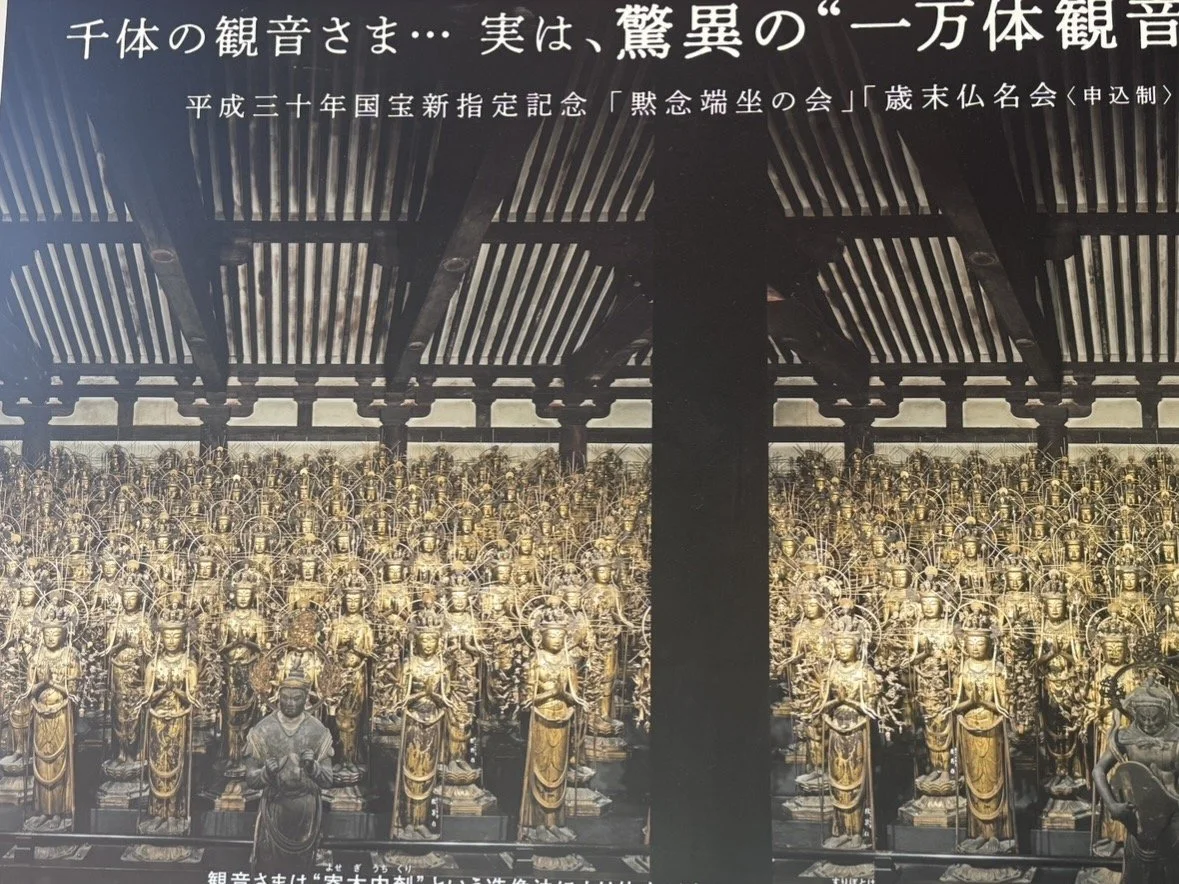
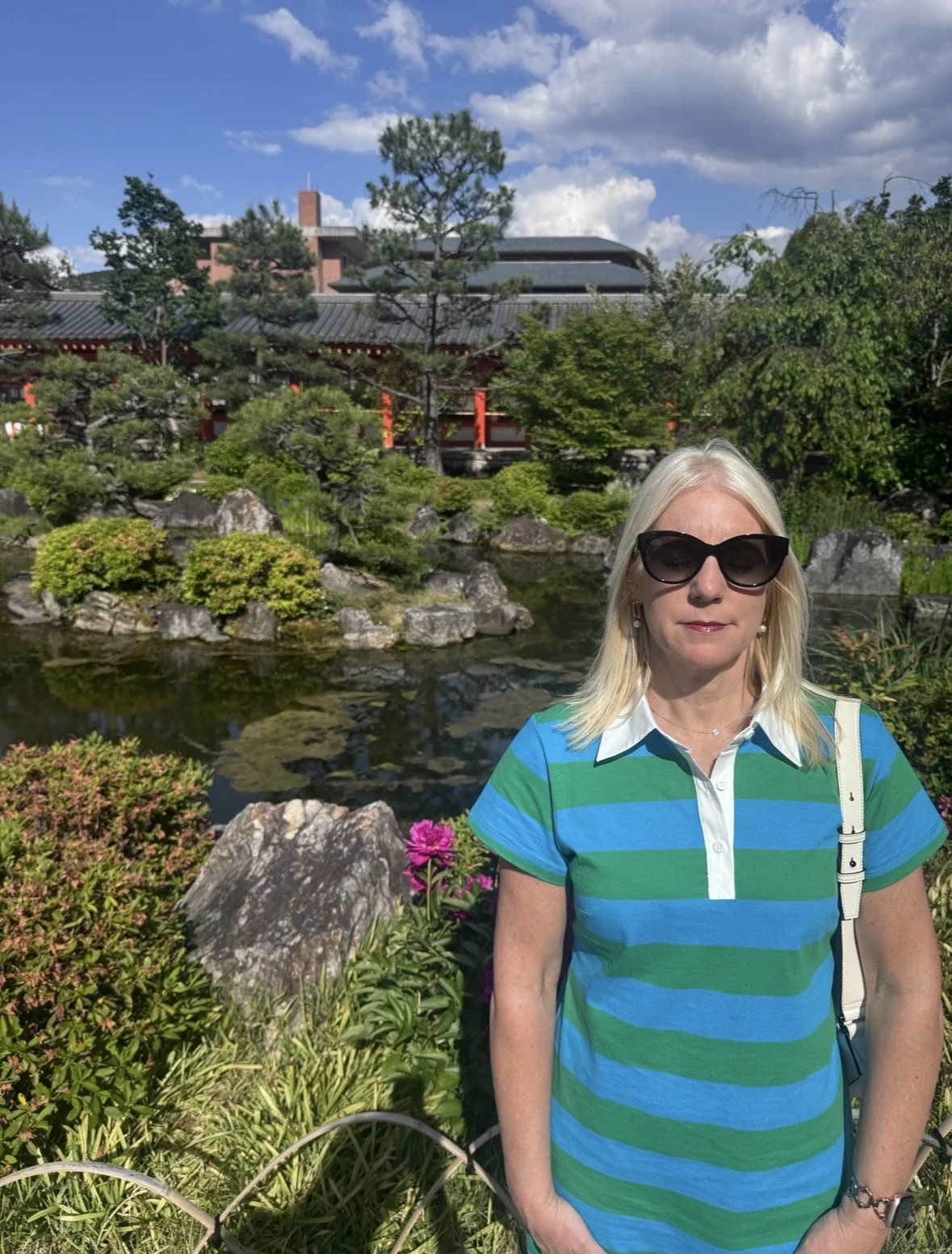
Sanjusangendo — Kyoto's Most Underrated Temple
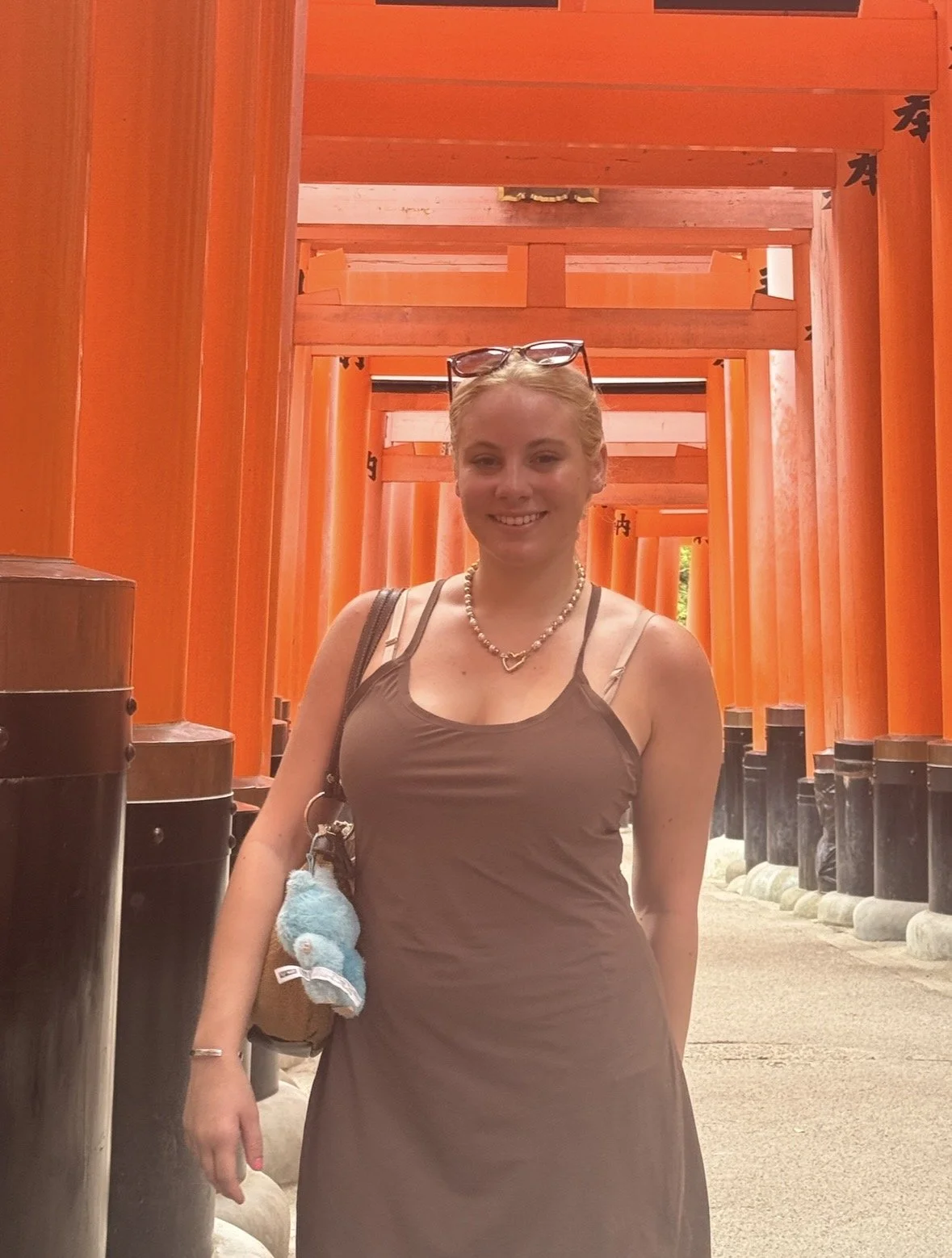
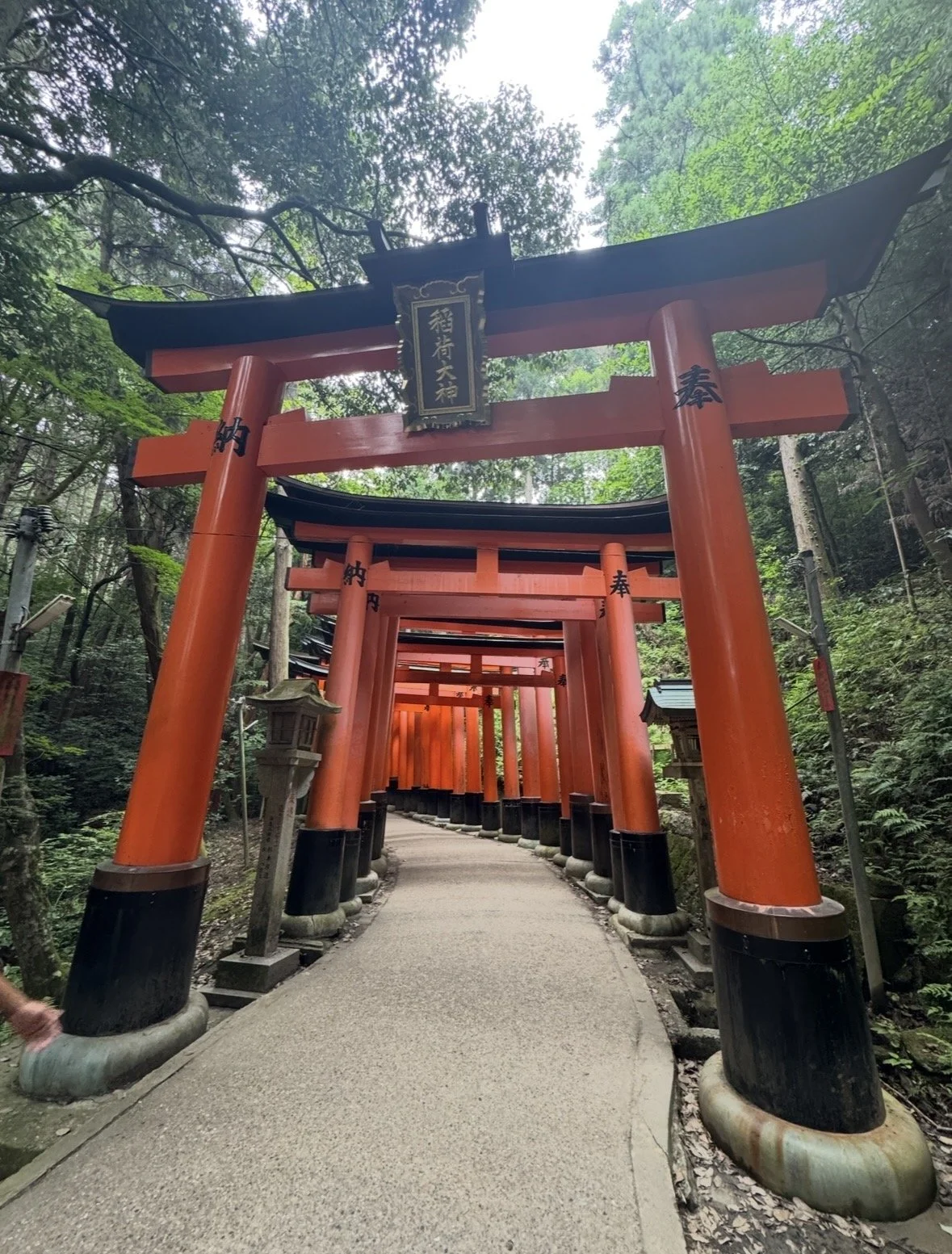
Most visitors only walk through the first section of the famous orange torii gates before turning around.
Keep climbing.
Within twenty minutes the crowds begin disappearing, and the shrine becomes quieter with every step. The repetitive rhythm of thousands of gates creates one of Japan's most iconic walks.
LandPourExplore Tip -The higher you go, the more peaceful it becomes, but it is uphill and no shade.
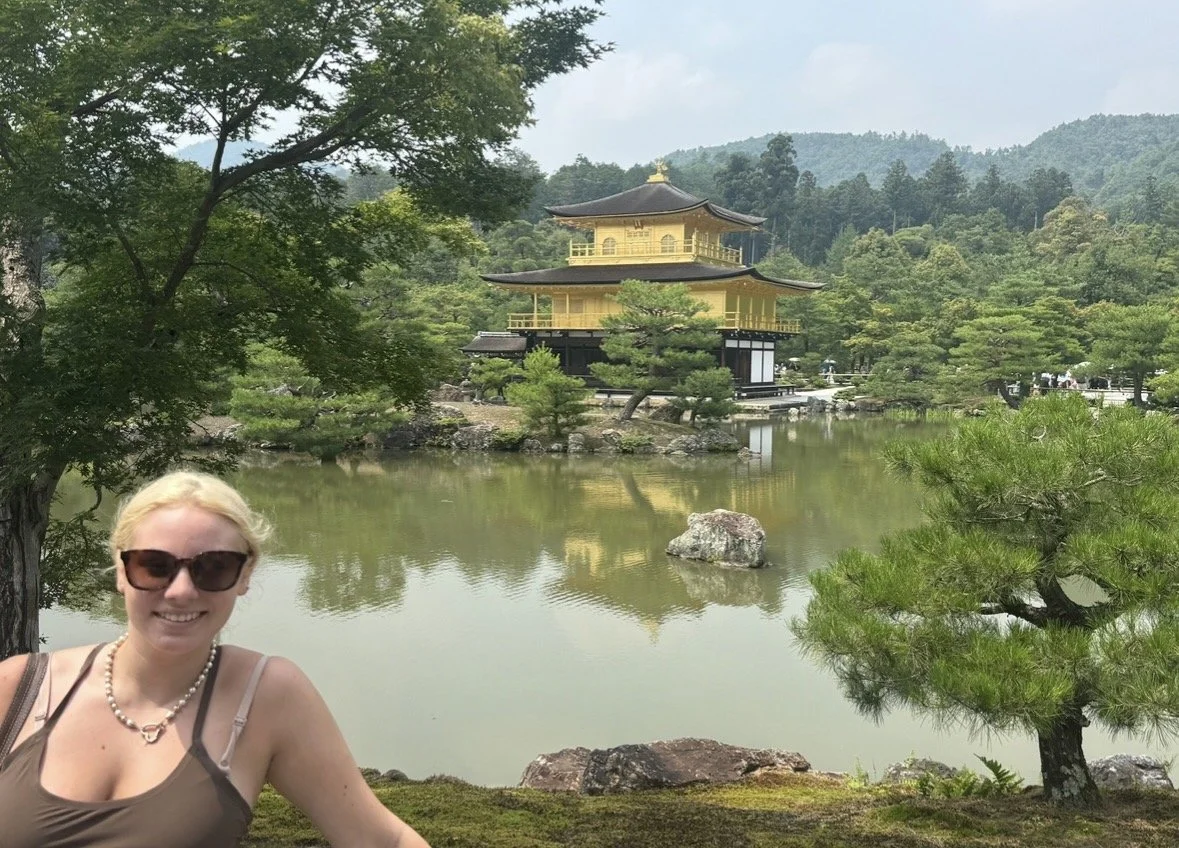
Kinkaku-ji
While Kyoto is filled with famous temples, Sanjusangendo surprised me more than almost anywhere else.
Inside sits a breathtaking hall containing 1,001 life-sized statues of Kannon, the Buddhist goddess of mercy. Standing before row after row of nearly identical golden figures is difficult to describe—it feels almost endless.
The museum exhibits help explain the history and symbolism behind the statues, making the visit even more meaningful.
This isn't simply another temple stop.
It's one of Kyoto's most memorable cultural experiences.
Fushimi Inari Beyond the Crowds
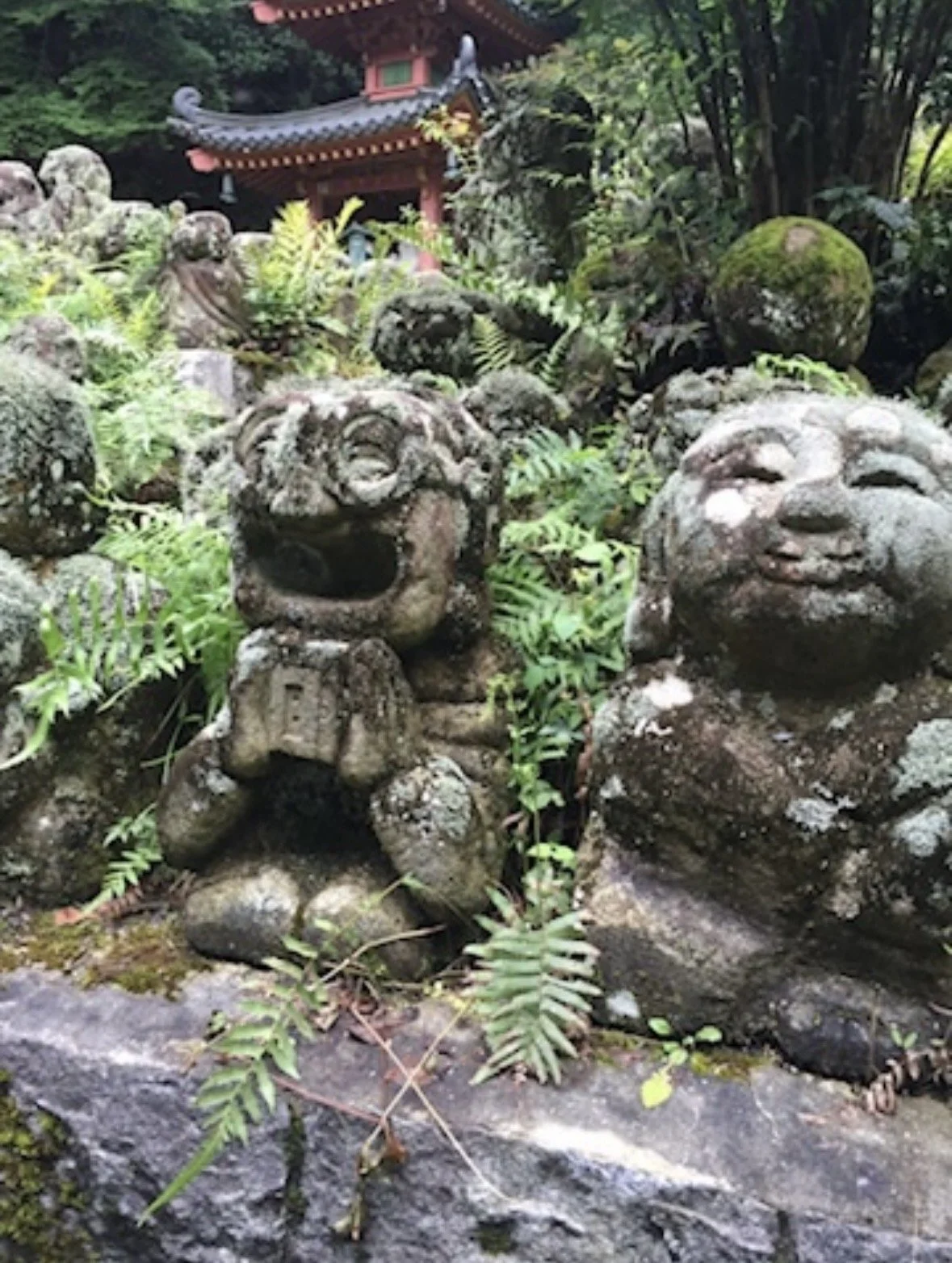
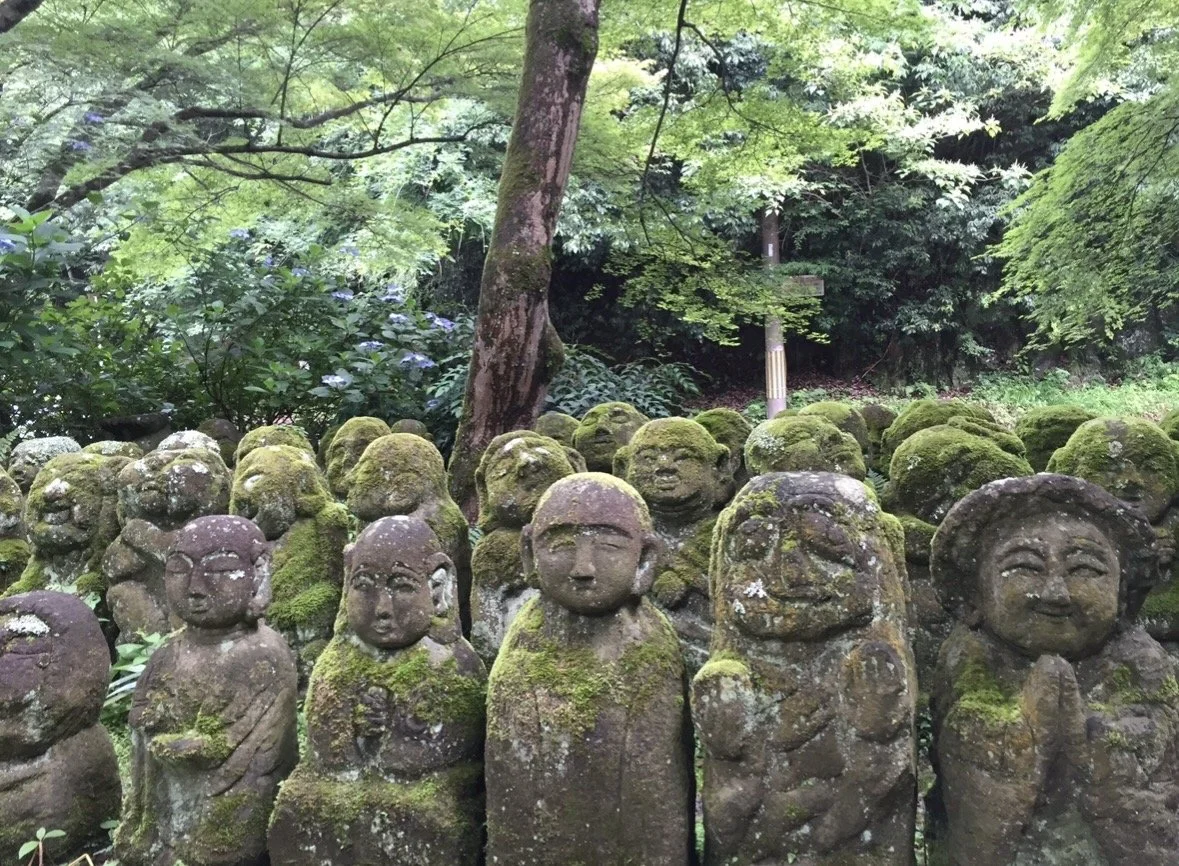
One of Kyoto's most charming hidden temples sits well beyond the typical tourist circuit.
Otagi Nenbutsu-ji is home to 1,200 unique stone rakan statues, each carved with its own personality and expression.
Some smile.
Some laugh.
Some play musical instruments.
Others wear humorous expressions that make you stop and look twice.
It's equal parts peaceful and unexpectedly playful.
teamLab Biovortex Kyoto – My Favorite teamLab Experience
I've visited teamLab in Tokyo, Osaka, and Kyoto, and surprisingly, Kyoto was my favorite.
Rather than overwhelming visitors with massive crowds and endless rooms, teamLab Biovortex feels more intimate and immersive. The exhibits flow naturally from one space to the next, encouraging you to slow down and interact with the artwork instead of simply walking through it. The combination of light, sound, and movement creates an experience that feels almost meditative, perfectly matching Kyoto's quieter, more intentional atmosphere.
If you've already experienced teamLab elsewhere, don't skip Kyoto. I found it to be the most cohesive, engaging, and memorable of the three.
Travel Tip: Reserve tickets in advance and allow at least 90 minutes to fully experience the exhibits without rushing.
The Golden Pavilion is undeniably touristy.
It's also absolutely worth visiting.
The gold leaf reflecting across the pond is one of Japan's iconic images, and arriving near opening helps avoid the largest tour groups.
You won't spend hours here, but you'll leave understanding why it's one of Kyoto's symbols.
Otagi Nenbutsu-ji
Kyoto After Dark
BEE'S KNEES – One of Asia's Great Cocktail Bars
Kyoto's evenings don't end when the temples close.
Hidden behind an unassuming entrance, BEE'S KNEES has earned an international reputation as one of Japan's premier cocktail bars. The intimate speakeasy combines meticulous Japanese bartending with creative, seasonal cocktails in a relaxed atmosphere. It's frequently recommended by cocktail enthusiasts visiting Kyoto and has appeared on Asia's leading bar lists.
What makes the experience memorable isn't just the drinks.
The walls are covered with signed photos from internationally acclaimed guest bartenders, reflecting the bar's deep connections to the global cocktail community. Watching the bartenders work with precise technique while enjoying inventive drinks is the perfect contrast to a day spent exploring Kyoto's temples.
If you're only planning one cocktail stop in Kyoto, make it this one.
Dining in Kyoto
Kyoto leans more traditional than Tokyo.
Expect:
Kaiseki multi-course meals
Seasonal precision
Temple vegetarian cuisine
Minimalist presentation
This is slower dining.
More ritual than spectacle.
Sarashina. 123 Sanbo-Omiyacho
Sometimes the best meal isn't elaborate.
A simple bowl of Kyoto udon with delicate broth, handmade noodles, and crispy fried tofu can be every bit as memorable as an expensive tasting menu.
This local shop became one of our favorite casual lunches.
Comfort food doesn't get much better.
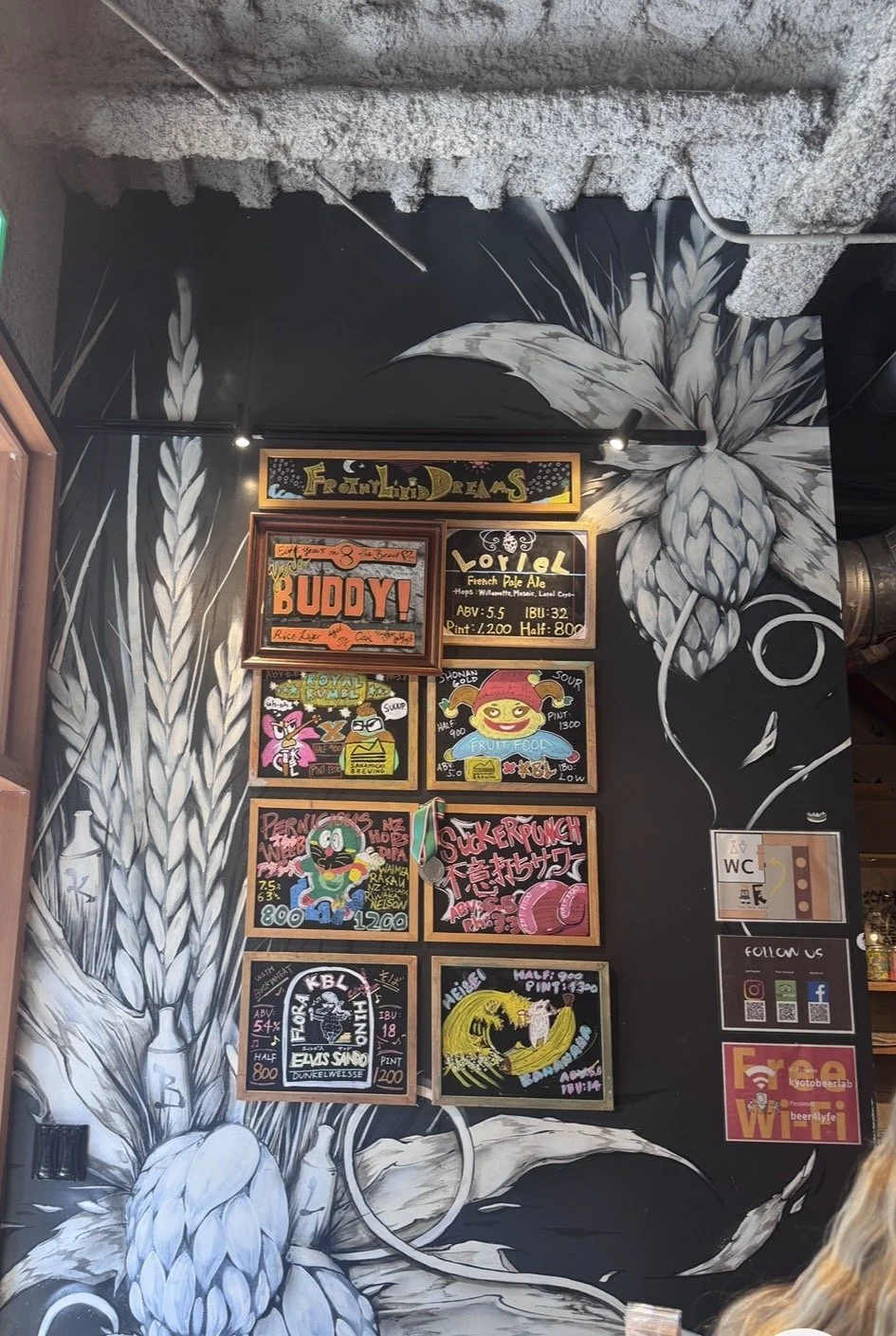
Kyoto's Craft Beer Scene - Kyoto Beer Lab
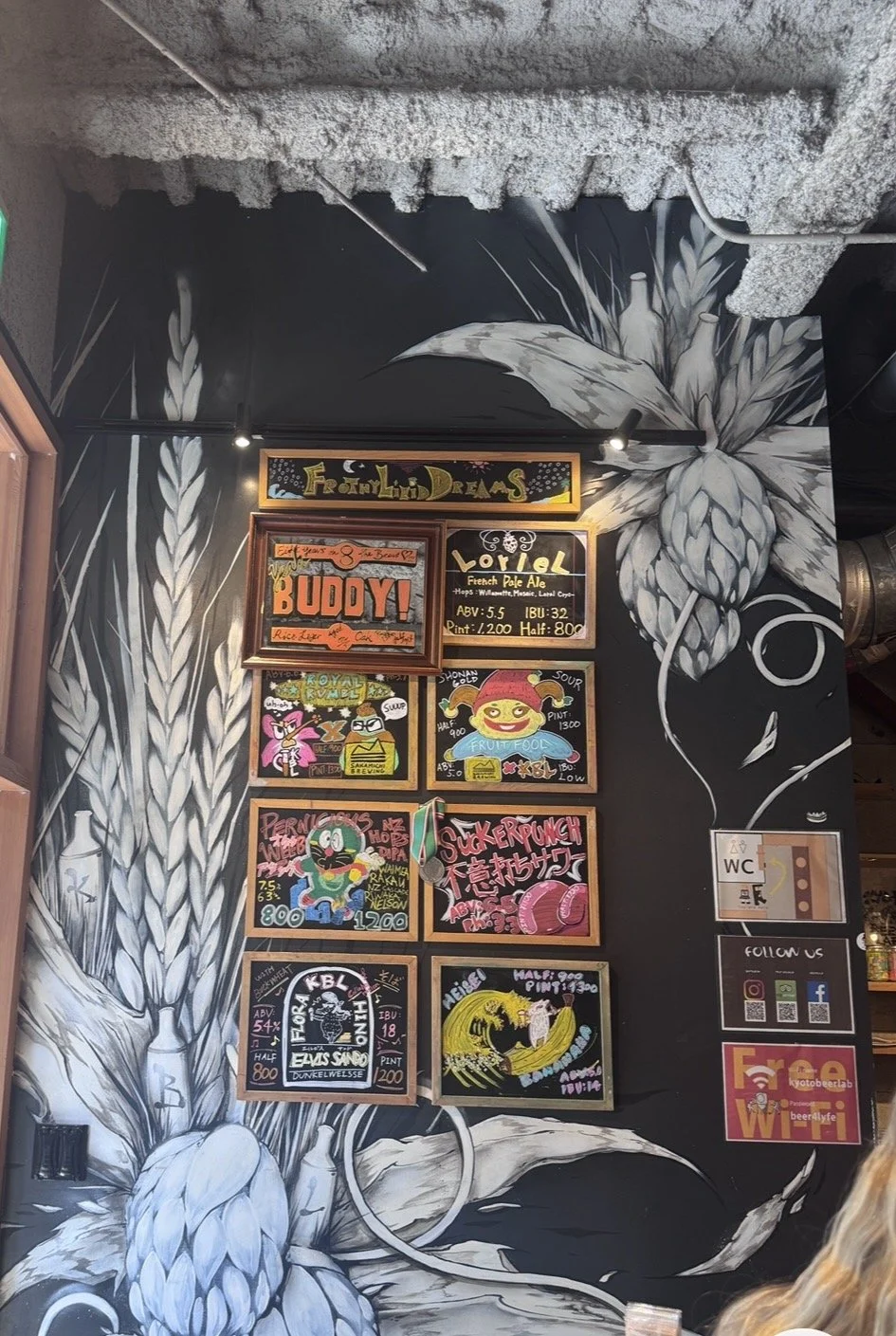
Kyoto's food scene often overshadows its beer culture.
Small breweries and taprooms are producing outstanding Japanese craft beer, ranging from crisp lagers to hazy IPAs and Belgian-inspired ales.
They're relaxed, welcoming, and an excellent break after a day of temple hopping.